























For decades, cocoa farming in northern Ghana was widely considered impossible due to the region’s challenging savannah ecology, frequent bushfires, and poor soil fertility. These persistent obstacles led many agricultural experts to conclude that cocoa could neither survive nor thrive in the area.


But in the small community of Salnaa Yili, within the Nanumba North Municipality in the Northern Region, one farmer has rewritten that narrative.
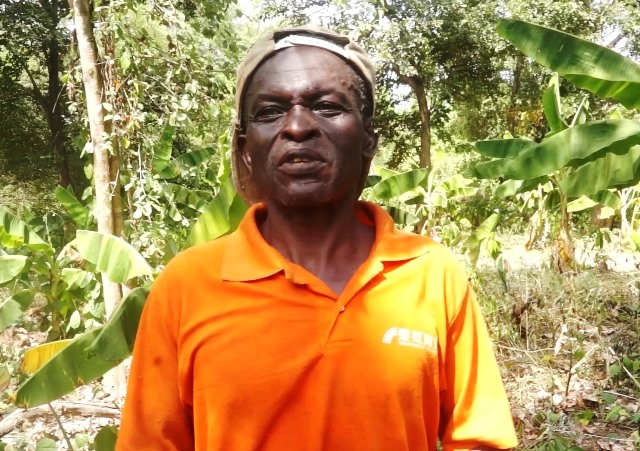
Mohammed Anchela, through determination and innovative cultivation practices, has established a thriving cocoa farm in a landscape long deemed unsuitable for the crop. His achievements have captured the attention of the Ghana Cocoa Board (COCOBOD) as well as researchers and agricultural specialists who once dismissed the idea of cocoa in the north.
Mr. Anchela began his cocoa journey in 2012 after facing years of difficulties both abroad and in Sefwi. Driven by conviction and working with a three-acre parcel of land, he set out to test the viability of cocoa in the northern savannah. Although one acre of his farm was destroyed by bushfires—an ever-present threat—his remaining two acres have flourished.
Despite the challenges, Mr. Anchela has continued to expand and strengthen his farm by adopting adaptive farming methods suited to the local environment. His success has become a powerful symbol of resilience and innovation in agriculture.
COCOBOD Takes Notice
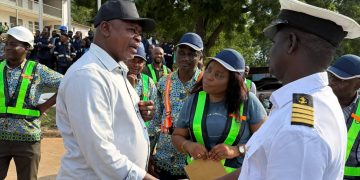
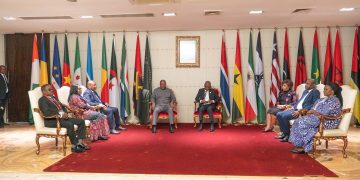
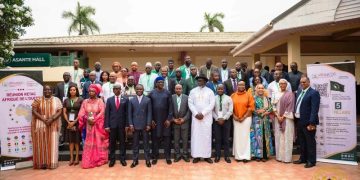
The impressive progress of Mohammed Anchela’s farm recently prompted a high-level visit from COCOBOD officials, led by a Deputy Chief Executive Officer. The delegation toured the farm to assess its development, understand the methods employed, and explore the factors driving the outstanding performance of the cocoa trees.
During the visit, retired agricultural officer Ali Dasana noted how experts had long underestimated the potential for cocoa cultivation in the northern belt. Seeing mature cocoa trees thriving in the Bimbilla area, he said, had overturned long-standing assumptions within the sector.
“Today, we are here in our municipality, showcasing cocoa plants, the cocoa harvest, and the possible revenue for families. We are highly impressed.
Our innovative farmers have demonstrated the need for collaboration among farmers, as we all need to have something in our pockets. With cocoa being the backbone of Ghana’s economy, it encourages all farmers,” he revealed.
He added that this breakthrough could encourage other farmers to consider cocoa as a viable alternative or supplementary cash crop, especially as emerging research shows that certain soils and microclimates in the north may be more suitable for cocoa than previously believed.
A Symbol of Innovation and Hope
Mohammed Anchela’s journey is marked by perseverance and transformation. Before venturing into cocoa farming, he had contemplated leaving home in search of safety and better opportunities. Ultimately, he returned to his community to build a stable future for himself and his family.
His story underscores how farming can change lives—especially when individuals are willing to try new ideas and push the boundaries of what is considered possible in Ghana’s agricultural landscape.
Commitment to Support and Protect the Farm
COCOBOD’s Deputy CEO, Dr. Francis Baah, praised the farmer for his groundbreaking efforts, describing the farm as an exceptional example of progress in Ghana’s cocoa industry. He announced plans to assemble a technical team to conduct environmental and species assessments to guide future interventions.
Dr. Baah also emphasized the need for local cooperation to protect farms from bushfires, which he identified as the biggest threat to sustainable cocoa production in the region. He stressed the importance of promoting responsible land-use practices, noting that a single fire could erase years of hard work.
“We intend to form a dedicated team to carry out these assessments,” Dr. Baah stated. “It is essential to consider the long-term potential of the land rather than focusing solely on immediate outcomes. Our team will conduct comprehensive environmental and species evaluations to address these pressing challenges.”
Drawing from his work with scientists, he highlighted the complexities involved in cocoa development. “Collaboration is crucial in this field. By examining various planting strategies, we can better understand which approaches yield superior results. This farm represents a distinctive and commendable approach to cocoa cultivation in a region that has seen limited growth. It is imperative that government support for cocoa farming is prioritized, as farmers are often the driving force behind innovation.”
COCOBOD has pledged additional support for the farmer, including a personal donation of a motorbike and plans to improve the farm’s infrastructure. Dr. Baah also revealed long-term intentions to provide housing assistance in recognition of Mr. Anchela’s pioneering work.
A New Chapter for Cocoa in the North
The success of cocoa cultivation in Salnaa Yili has sparked significant interest in expanding cocoa farming across northern Ghana. While substantial challenges remain—particularly around bushfire prevention, climate variability, and resource availability—the new breakthrough has brought fresh optimism.
Mohammed Anchela’s achievement is more than a farming milestone; it represents a shift in thinking, showing that innovation can emerge from unexpected places. His work may inspire a new generation of northern farmers to explore untapped opportunities on their land.
As experts and policymakers reassess the agricultural potential of the northern regions, it is clear that the long-standing narrative about cocoa in the savannah is changing—thanks largely to one farmer’s determination to defy the odds.
Source: www.kumasimail.com /Noah Nash Hoenyefia