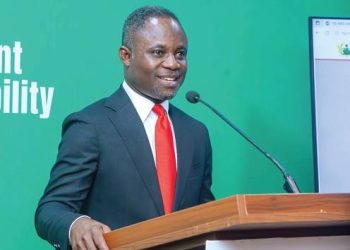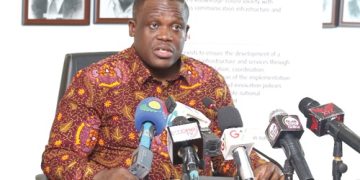































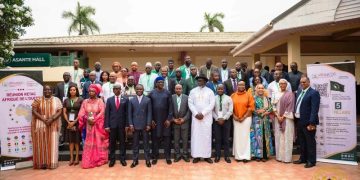




The Constitution Review Committee (CRC) has formally presented its comprehensive summarized report to President John Dramani Mahama, marking a pivotal step toward transforming Ghana’s governance framework.


Titled “Transforming Ghana From Electoral Democracy to Developmental Democracy,” the report proposes sweeping amendments to the 1992 Constitution based on extensive nationwide consultations.
Report Presentation Details
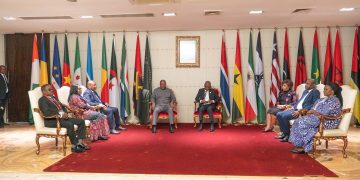
The CRC, chaired by Professor Henry Kwasi Prempeh and appointed on January 19, 2025, submitted the report via a transmittal letter dated December 22, 2025, at Jubilee House in Accra.
The eight-member committee, including retired Supreme Court Justice Sophia O. A. Adinyira and former Electoral Commission Chairperson Charlotte Kesson-Smith Osei, conducted its work after inauguration on January 30, 2025, with support from a dedicated secretariat.
President Mahama received the document, which now goes to the Attorney-General and Minister for Justice, as well as the President’s Legal Counsel, for detailed study before government issues its official comments.
Extensive Consultation Process
The committee engaged over 24,000 Ghanaians through a rigorous methodology, including desk reviews of prior reports like the 2010 CRC-I, 10 thematic stakeholder sessions with 500+ experts on issues from lands to anti-corruption, 17 group engagements reaching 21,500 people (including 21,000 youth via X-Spaces), consultations with 11 eminent persons such as former Presidents Kufuor and Akufo-Addo, and 785 public submissions.
Zonal public forums in 10 regional capitals drew 2,436 participants from diverse groups like market women, chiefs, and security services, with live-streams generating over 114,000 impressions on social media platforms.
Nine Core Chapters
• Presidency: Limits terms, ministers from Parliament, succession rules, and post-election transition curbs.
•   Parliament: Smaller size, public participation mandates, MP conflict rules, private bills, and party regulation via Independent Registrar.

•   Resources/Finance: National Development Plan binding, lands/natural resources fiduciary duties, anti-ecocide offense, mineral revenue to communities, fiscal ceilings, Independent Fiscal Council.

•   Accountability: Council of State reforms, judiciary merit appointments/tenure limits (Chief Justice 10 years), anti-corruption commission.

•   Public Service: Merit-based appointments, conduct codes, asset declarations.

•   Equity: Dual citizenship eligibility, rights expansions (food, housing, privacy), anti-discrimination.

•   Local Governance: Devolution Commission, elected MMDCEs in select districts, chieftaincy non-partisanship.

•   Security: Consolidated agencies, oversight bodies, police/prisons councils.

•   Living Constitution: Easier amendments for non-core issues, popular initiatives
Next Steps and Public Access
An Implementation Committee will launch at the start of 2026 to action the recommendations, ensuring structured progress on reforms like fiduciary duties for traditional authorities over stool lands and fiscal safeguards such as tax expenditure ceilings.
In a commitment to transparency, President Mahama directed the report’s public release for download, fostering national discourse on these transformative proposals.
Read the full recommendation…
Source: www.Kumasimail.com