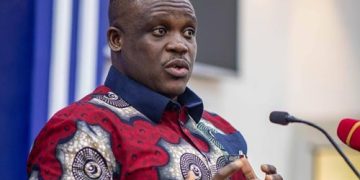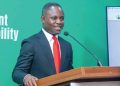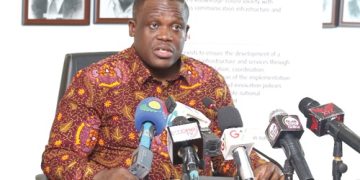


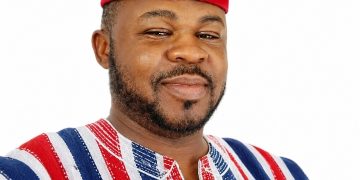

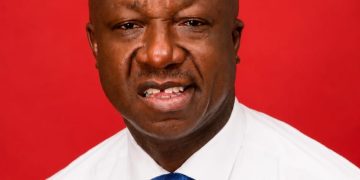





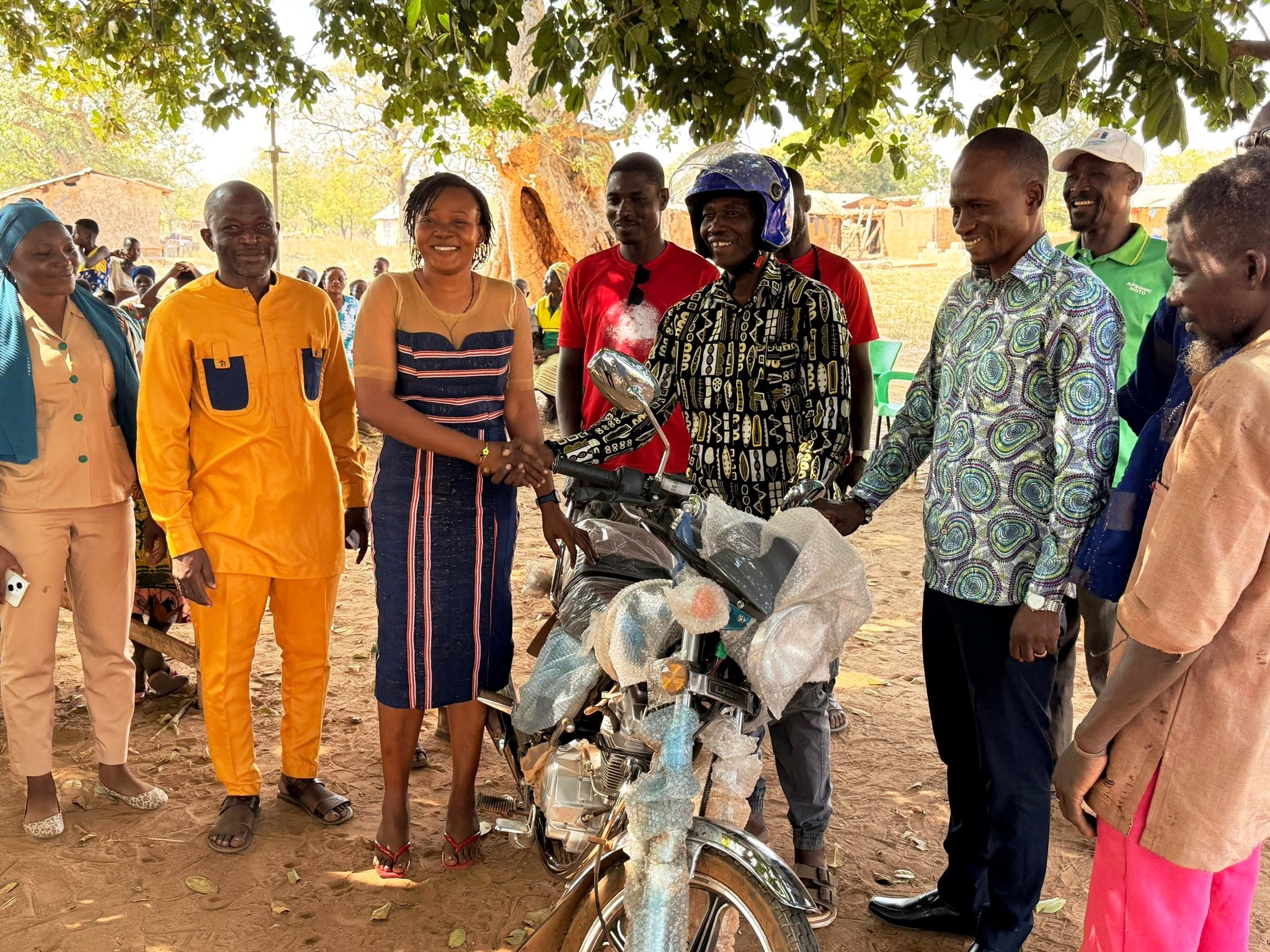
The Member of Parliament for Wa West Peter Lanchene Toobu, has kicked off the 2026 political year with a series of community engagements across the Eggu and Sigri Electoral Areas, rolling out targeted interventions in education, health, communications and youth livelihoods.


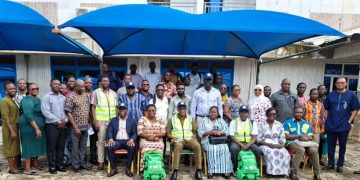
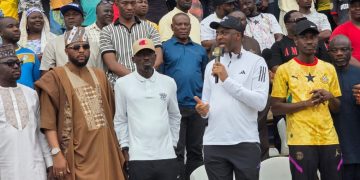
In a statement posted on his Facebook page over the weekend, the MP said the tour took him to Dobozie, Bultuo and Kpila in the Eggu Electoral Area, and later to Nyorse in the Sigri Electoral Area, accompanied by the District Chief Executive for Wa West, Hon. Richard Wulo, the Assembly Member for Eggu, Hon. Ephraim Y. Dassah, and constituency executives.
At Dobozie, Hon. Toobu announced support for early childhood education with the presentation of whiteboards and markers to help establish a newly created Day Nursery/Kindergarten. He also provided cash motivation to two volunteer teachers and disclosed that he had placed them on a monthly stipend.
“I have put the volunteers on a monthly stipend until government absorbs the school,” he stated.
In Bultuo, the MP inspected the primary school building recently re-roofed after a rainstorm ripped off its roof in August 2025. He also announced that the community is set to benefit from improved telecommunications.
“The community has been earmarked to benefit from rural telephone services within the first half of the year,” Hon. Toobu said.
Health and youth economic empowerment featured prominently in Kpila, where the MP donated a brand new motorbike valued at GH¢18,000 to support operations at the temporary Community-based Health Planning and Services (CHPS) compound. He further pledged immediate support for dry season farming.
“I will purchase and deliver within 48 hours two water pumping machines to support the youth engaged in dry season gardening along the Black Volta,” he noted.
At Nyorse, Hon. Toobu inspected an ongoing Day Nursery block project he initiated and announced additional material support, including 20 bags of cement and iron sheets to complete the structure. He also directed the drilling of a borehole within 72 hours and promised to deliver football jerseys and a ball to the youth by Sunday.
The Wa West MP described the engagements as part of his commitment to grassroots development and inclusive service delivery in Wa West.
Source: www.kumasimail.com