

































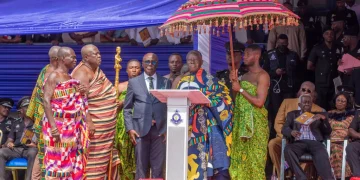
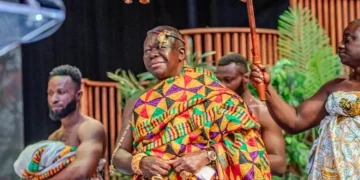







Zambian writer and media professional Sampa Kabwela has issued a public apology to Ghanaians following backlash over social media posts by some Zambians who mocked the traditional Ghanaian Fugu attire, describing it as a blouse.


In a statement shared publicly, Kabwela said the comments reflected “extraordinary ignorance” by a small number of individuals and did not represent the views of Zambians as a whole. She described the Fugu as a symbol of Ghanaian identity, dignity, and cultural heritage.

“To my Ghanaian brothers and sisters: I understand your outrage,” Kabwela wrote. “You have every reason to feel personally offended.”
The remarks come after Ghanaians expressed anger online over videos and comments perceived as disrespectful to the traditional northern Ghanaian garment, which holds cultural and ceremonial significance.
Kabwela emphasized the long-standing ties between Zambia and Ghana, noting that many Ghanaians live and work in Zambia and are integrated into the country’s social and economic life.
She cited the late Ghanaian-born journalist and media trainer Edem Djokotoe as an example of the close relationship between the two countries.
Djokotoe lived and worked in Zambia for more than 30 years and was widely mourned following his death from cancer in August 2022. The Zambian government and media industry formally recognized his contributions.
According to Kabwela, while some Zambians may be unfamiliar with the Fugu, Ghanaian culture is widely admired in Zambia.
She pointed to the popularity of Ghanaian textiles such as Kente and Ankara, the use of shea butter, awareness of Ghanaian naming traditions, and the influence of Ghanaian footballers, actors, and historical figures including Kwame Nkrumah.
“This moment, though unfortunate, is an opportunity for us to know each other better,” Kabwela said, calling for greater cultural exchange across Africa and more African-centered storytelling by broadcasters and content creators.
She also urged Africans to embrace traditional attire from across the continent as shared cultural heritage and cautioned against using social media platforms to demean one another.
“On behalf of my country, I offer an apology,” she said. “One Africa. One people.”
The statement has been widely shared online, with many users praising the apology and calling for increased cultural education and mutual respect among Africans.
Source: www.kumasimail.com