



































The Paediatric Society of Ghana (PSG) has renewed calls for an urgent end to illegal mining, popularly known as “galamsey” warning that its short and long-term effects pose a serious threat to the health and future of children in the country.


According to the Society, exposure to polluted water and environments caused by illegal mining is contributing to the rising incidence of non-communicable diseases (NCDs) among children, including kidney, liver and neurological disorders.
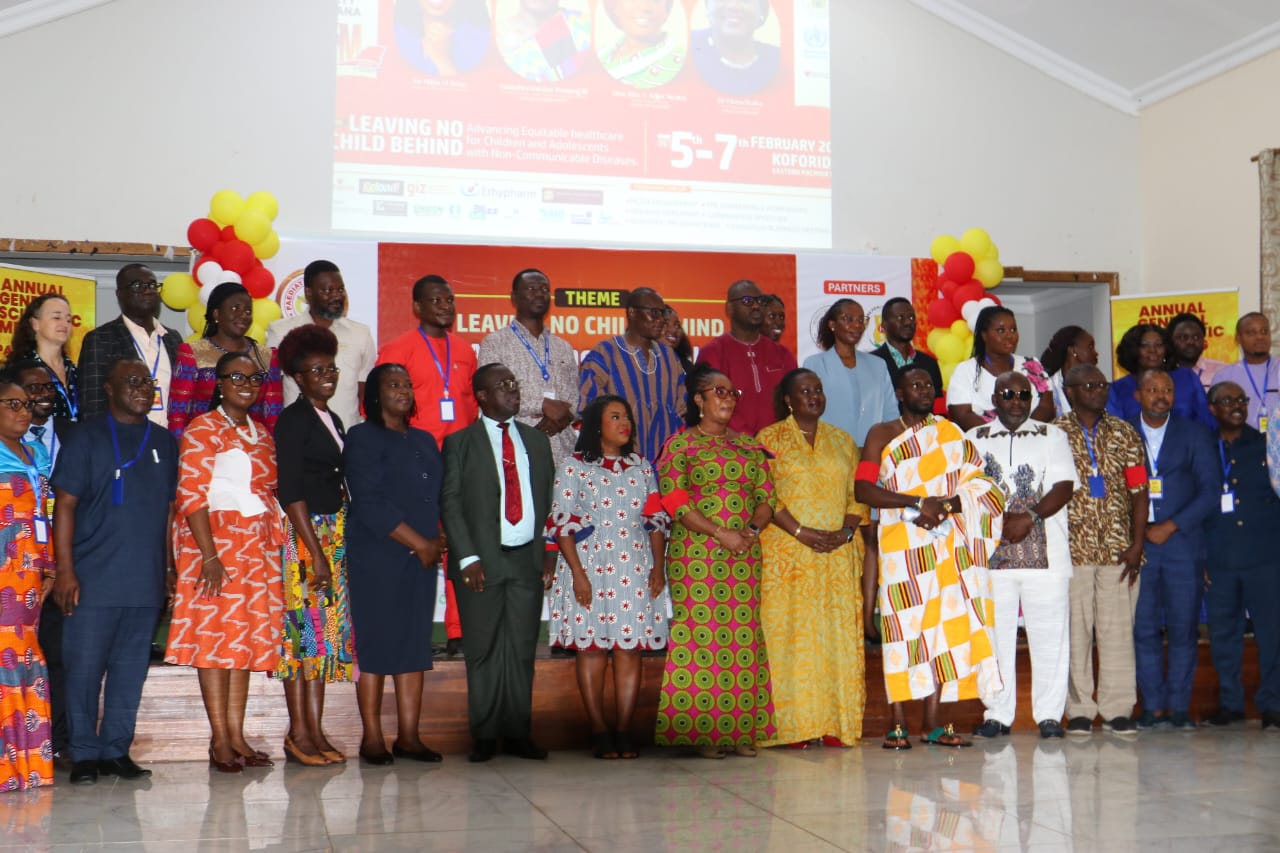
Demonstrating their seriousness about ending illegal mining,Members of the Paediatric Society of Ghana wore red arm band throughout the Annual General and Scientific Meeting held in Koforidua under the theme: “Leaving No Child Behind: Advancing Equitable Healthcare for Children and Adolescents with Non-Communicable Diseases”
President of the Paediatric Society of Ghana, Dr. Hilda Mantebea Boye,stressed that galamsey is a preventable problem whose effects on children may not be immediately visible but are certain to manifest over time.
“we know that galamsey or illegal mining is something that causes children to have non-communicable diseases because it can affect the kidneys, it can affect the liver, it can affect the brain, the organs of the body and cause children to have non-communicable diseases” Dr.Mantebea Boye stated.
She urged all Ghanaians and key stakeholders to take a keen interest in the fight against galamsey.
She added “so we want it to end because it is preventable and can lead to very bad outcomes for children even though we may not see all the effects immediately, the child drinks the water or when because the child is living in the community they will be affected. But eventually they will be affected therefore we want an end to galamsey and we want all key stakeholders, everybody, every Ghanaian to take an interest in this matter because we are asking ourselves 50 years from now how will Ghana look like”.
The Paediatric Society of Ghana expressed concern over the increasing prevalence of non-communicable diseases such as cancers, diabetes,renal, hyoertension,Asthma,obesity among children, calling for stronger policies, improved healthcare delivery and preventive measures nationwide.
“The issue of noncommunicable diseases is a problem.The sweetened drinks,fissy drinks they are not healthy for children.The junk food too much of it and we need to address that through policy and through measures where healthy food are affordable for chikdren to be able to get.Aside that you have the issue of access to care wherever children are within the country we need them to be able to access care for noncommunicable diseasess” .
Prof.Sampson Antwi,Head of Department ,Child health at Kwame Nkrumah University of Science and Technology(KNUST),Expanded Program on Immunization has tremenduously reduced under 5 mortality but the burden of NCD in children is assuming alarming proportion globally contributing sigmificantly to morbidity and mortality in children and adolescents.
” so Children and Adolescents now face a double burden of CDs and NCDs,and yet the latter is hardly discussed or brought into focus”.I hope that national policy plannjng will factor NCDs in Children and Adolescents”.
Eastern Regional Minister, Rita Akosua Adjei Awatey reaffirmed the government’s commitment to child welfare.
“As Minister in charge of the Region, I remain committed to supporting initiatives that promote child welfare, social inclusion, and equitable access to services”
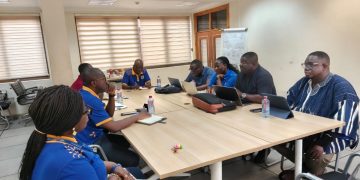
The meeting brought together paediatricians, health professionals and stakeholders to discuss strategies for improving outcomes for children and adolescents living with non-communicable diseases across the country.
Source: www.kumasimail.com