































The Importers and Exporters Association of Ghana (IEAG) has rejected suggestions that the country’s ports are being used as conduits for the importation of substandard electrical cables.


In a statement issued on Tuesday, the association expressed concern over remarks attributed to the Board Chairman of the Energy Commission, Prof John Garchie Gatsi, which were reported by sections of the media.
IEAG said the assertion did not reflect what it described as the “stringent regulatory controls and operational safeguards” governing the importation of electrical goods through Ghana’s ports.
According to the association, electrical products arriving at the ports are first cleared into approved customs bonded warehouses or designated holding facilities, where they remain under customs control pending inspection, testing and certification.
It said the process involves coordination between the Ghana Standards Authority, the Customs Division of the Ghana Revenue Authority, and the Ghana Ports and Harbours Authority.
“Consignments remain under customs control until conformity assessment procedures are completed and statutory approvals granted,” the statement said, adding that goods can only be released to importers after the required certification.
IEAG argued that the framework represents one of the most effective mechanisms for preventing the circulation of substandard electrical cables through formal channels.
While acknowledging the risks posed by inferior cables – including fire outbreaks, infrastructure damage and threats to public safety – the association said industry monitoring suggested that a significant proportion of such products enter the domestic market through unapproved routes and porous land borders.
“It is therefore important that enforcement efforts are broadened to address these high-risk entry points rather than portraying the ports as the primary source,” it said.
Call for stronger oversight
IEAG urged the Energy Commission to strengthen collaboration with customs and other agencies to enhance surveillance at designated bonded warehouses.
It called for more rigorous compliance monitoring, improved cargo tracking systems and strict release authorisation procedures to ensure that consignments under regulatory hold are not released without formal certification.
The association also pointed to operational improvements in recent years, including enhanced inspections, risk profiling and inter-agency coordination, which it said had reduced the incidence of non-compliant electrical cables detected through formal port channels.
Describing the influx of substandard cables as a major national concern, IEAG warned of the implications for public safety, loss of life and property, and revenue losses linked to smuggling and duty evasion.
The association called for broader stakeholder collaboration to address enforcement gaps across the supply chain, saying reforms should focus on strengthening and optimising existing systems rather than creating the perception that Ghana’s ports are a breeding ground for substandard imports.
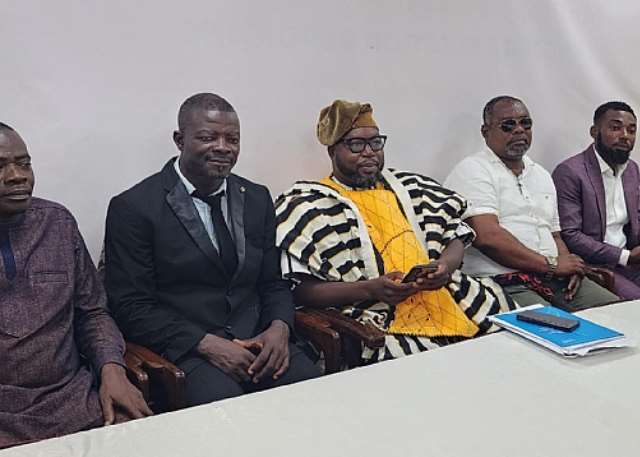
The statement was signed by IEAG’s Executive Secretary, Samson Asaki Awingobit.
Source: www.kumasimail.com