





































Ghana and Burkina Faso have signed seven bilateral agreements aimed at strengthening security and cross-border cooperation, following recent deadly attacks in the Sahel region.


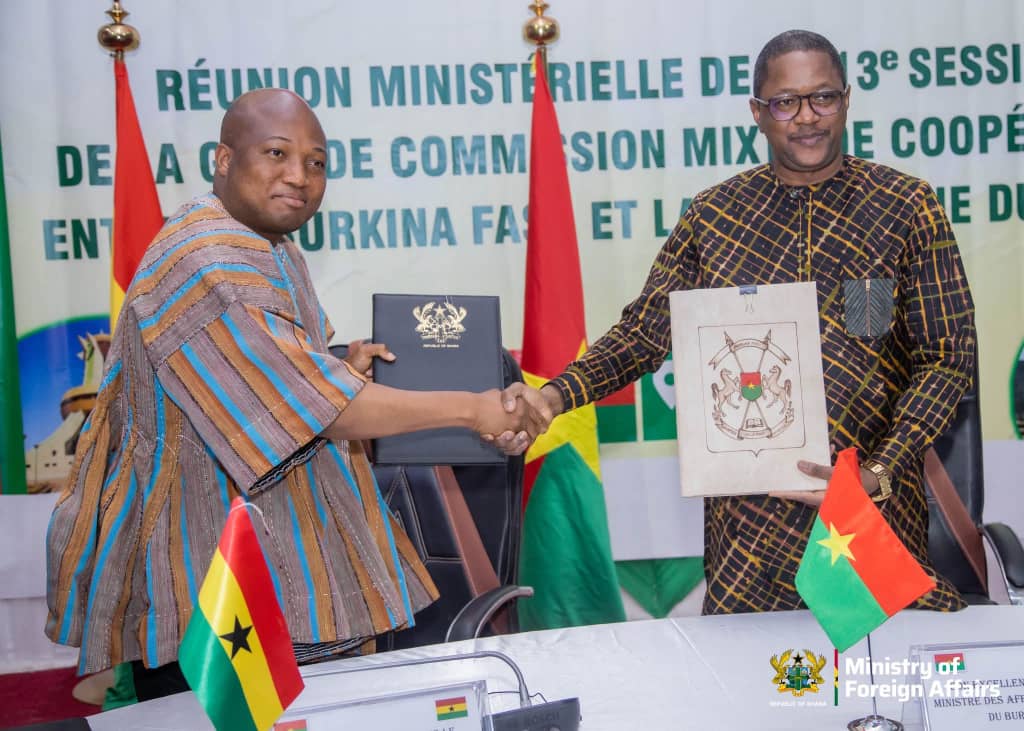
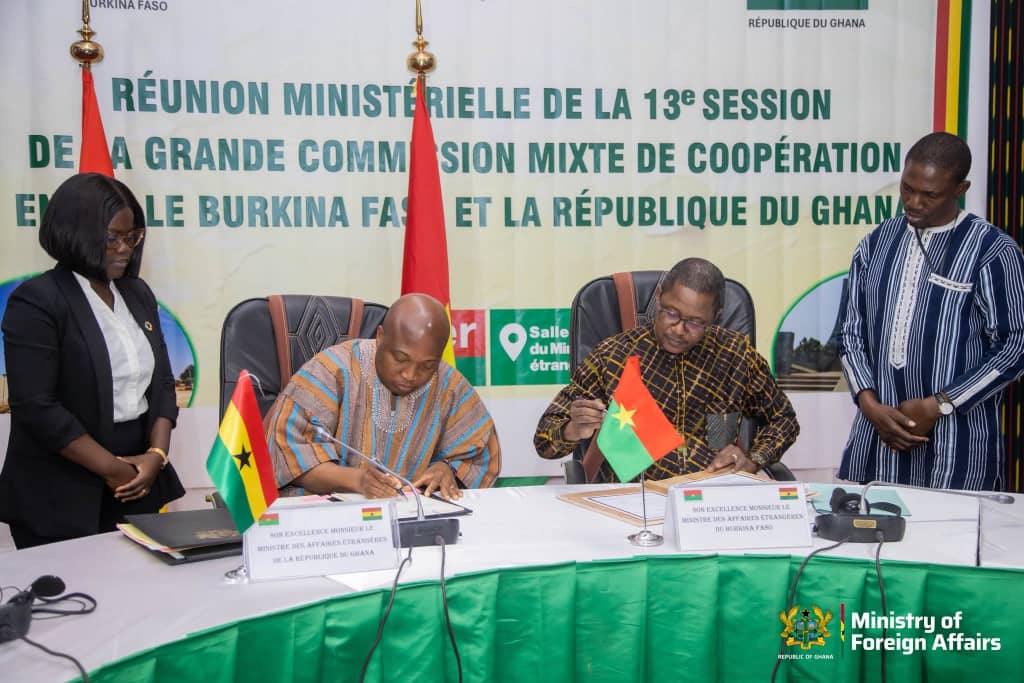
The accords were concluded in Ouagadougou at the end of a reactivated session of the Permanent Joint Commission for Cooperation (PJCC), which had not met for six years.
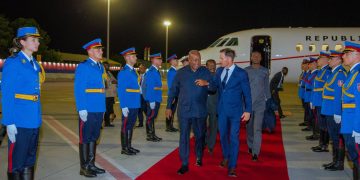
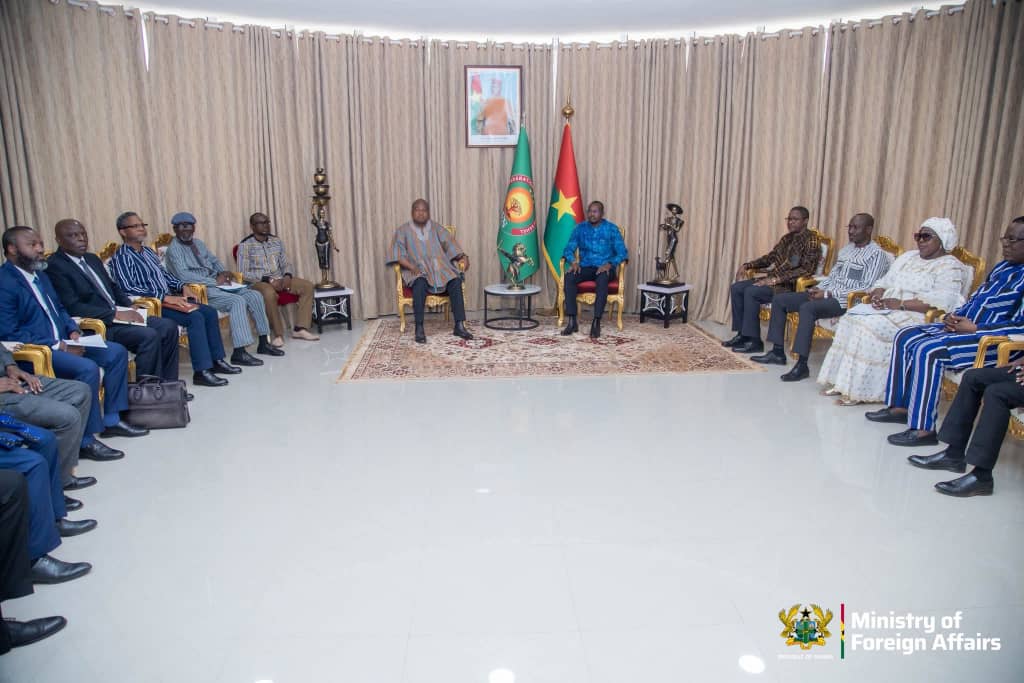
Ghana’s Foreign Affairs Minister, Samuel Okudzeto Ablakwa, held talks with Burkina Faso’s Prime Minister, Rimtalba Jean Emmanuel Ouédraogo, and the country’s Foreign Minister, Karamoko Jean-Marie Traoré. Discussions focused on security collaboration, economic integration and border management.
The two governments condemned recent terrorist attacks in the region that killed eight people and injured several others. They expressed condolences to the victims’ families and agreed to develop a new joint security framework to combat violent extremism.
“We condemned the recent terror attacks, expressed our commiserations with affected families and decided to design and adopt a new security framework aimed at neutralising the scourge of terrorism and violent extremism,” Mr Ablakwa said.
Beyond security, both countries agreed to strengthen cooperation in disaster management. Particular attention will be given to the recurring spillage of the Bagré Dam in Burkina Faso, which has frequently caused flooding and destruction in parts of northern Ghana.
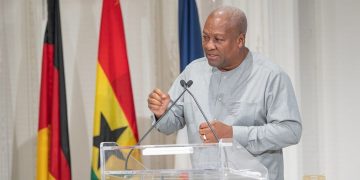
Mr Ablakwa said the revival of the PJCC followed earlier engagements between Ghana’s President John Mahama and Burkina Faso’s leader, Captain Ibrahim Traoré, in January and March last year.
“I am delighted that following the meetings last year between President John Mahama and President Captain Ibrahim Traoré, we have reactivated our Permanent Joint Commission for Cooperation which had been dormant for six years,” he said.
At the close of the session, the two sides signed agreements on the mutual recognition of national driver’s licences and on transport and road transit. They also adopted a framework agreement on cross-border cooperation and a memorandum of understanding establishing periodic consultations between border administrative authorities.
Additional agreements included the creation of a joint commission to reaffirm the common border, cooperation on the prevention and management of disasters and humanitarian crises, and measures to combat the illicit cultivation, production and trafficking of narcotic drugs and psychotropic substances.
Officials say the agreements are expected to deepen bilateral ties, improve border governance and enhance joint responses to security and humanitarian challenges facing both countries.
Source: www.kumasimail.com