


































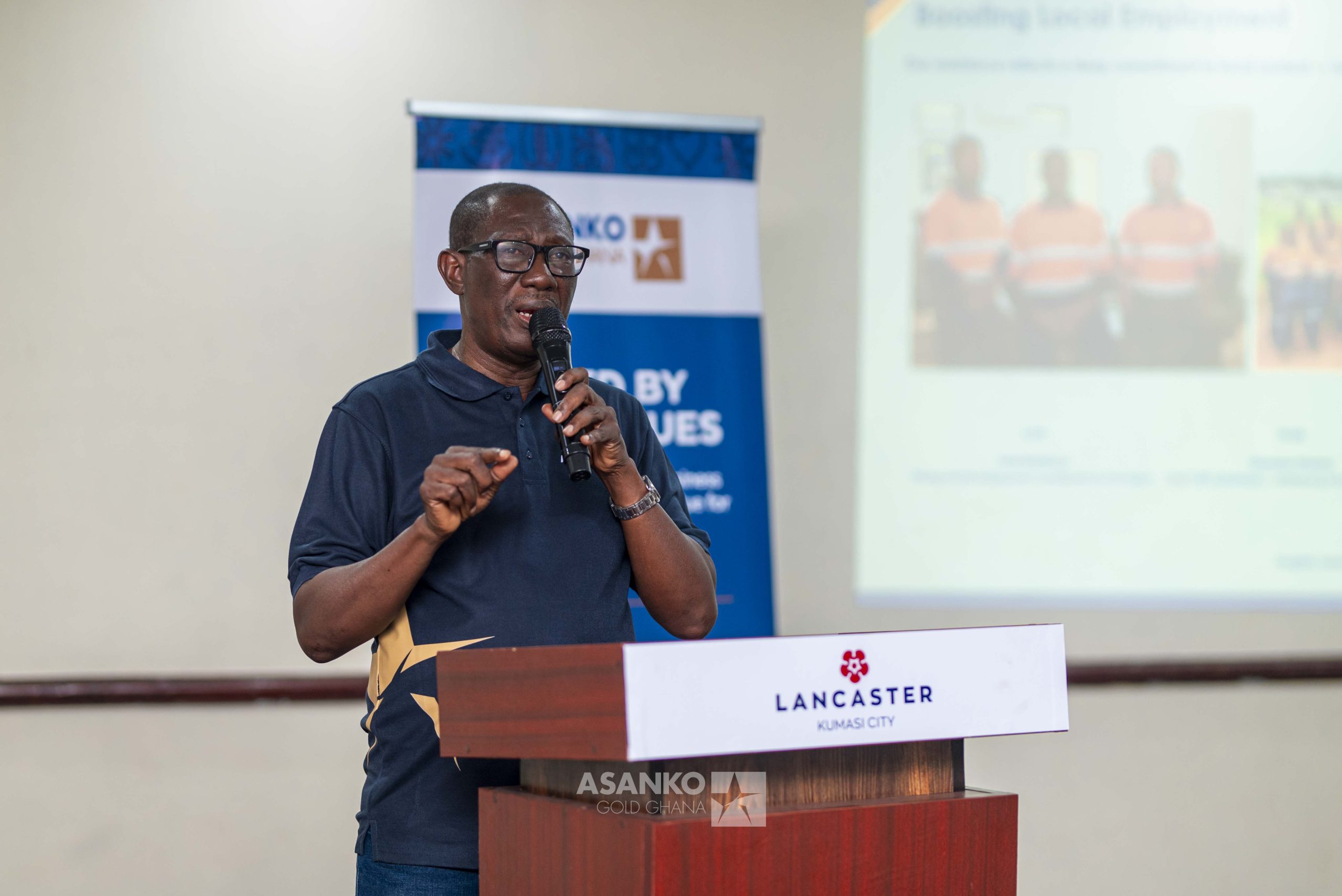
The General Manager of Asanko Gold Mine, Ahmed Mohadini-Yahaya, has reaffirmed the company’s commitment to responsible and sustainable mining practices that protect the environment, respect human rights and support the development of host communities.


Speaking at a meeting with selected editors and media practitioners in Kumasi, Mr. Mohadini-Yahaya said the mine’s operations were guided by strong principles of environmental protection, safety, transparency and inclusion.
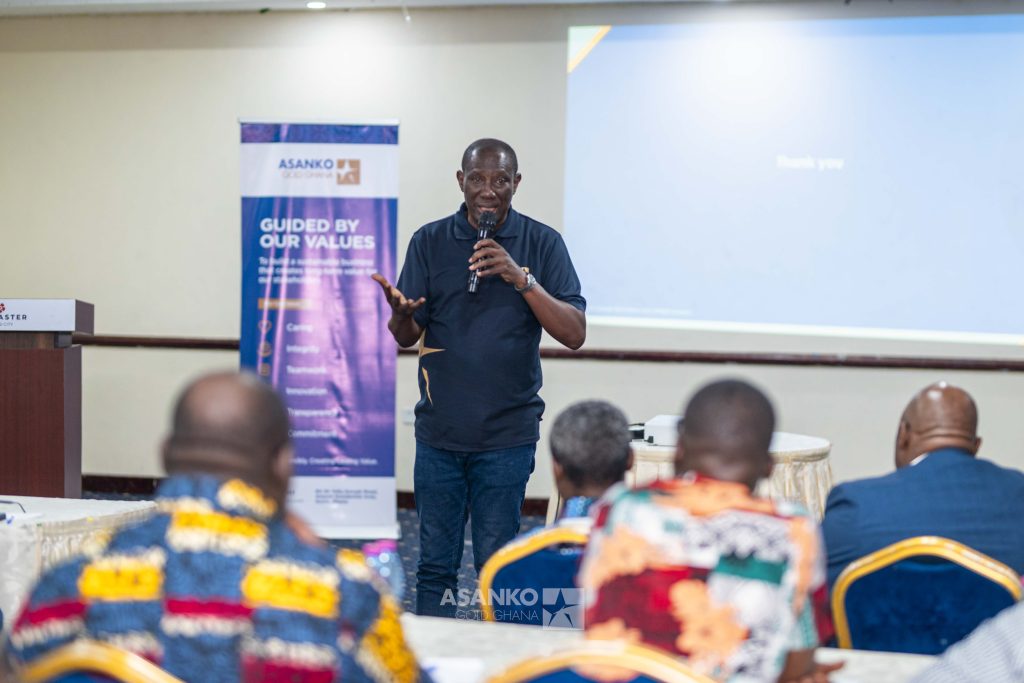
The meeting, held under the theme “Building Responsible Mining Communications with Media Partners,” sought to strengthen collaboration between the company and the media.
Mr. Mohadini-Yahaya explained that operations at the mine’s three satellite pits Abore, Esaase and Nkran—were driven by responsible mining standards that place safety at the centre of all activities.
According to him, the company had adopted rigorous safety procedures aimed at preventing workplace accidents and fatalities while ensuring environmental stewardship and strict compliance with mining regulations.
He noted that the company’s operations also focus on creating economic opportunities for local communities and other stakeholders, including the media, through effective collaboration.
Mr. Mohadini-Yahaya disclosed that about 99.8 per cent of the mine’s workforce, representing 3,234 employees, were Ghanaians, largely drawn from the 35 host communities within the company’s operational catchment area.
In addition, the mine has awarded about 2,709 contract jobs to indigenes from these communities.
He said the company had spent a total of $24,663,559 on local procurement, including $4,918,613 on goods and $19,744,945 on services, as part of efforts to promote local economic participation and growth in the Ashanti Region.
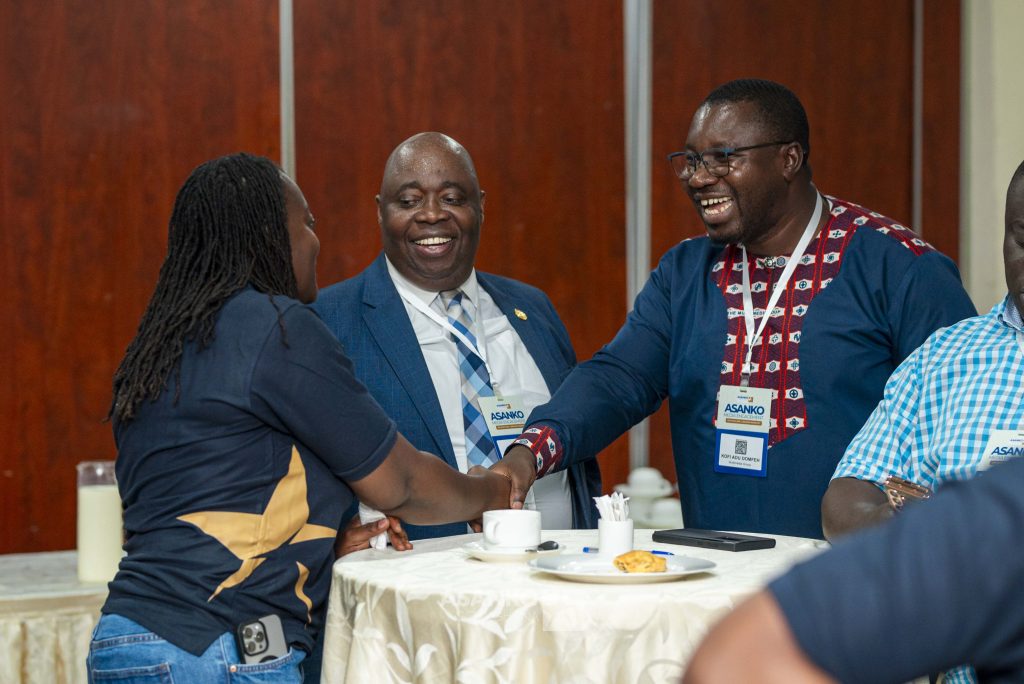
Mr. Mohadini-Yahaya added that the company also trains local youth in the operation of heavy equipment to enhance their employability.
On transparency and accountability, he stated that the mine regularly reports its mining activities, revenues and environmental impacts to regulatory bodies such as the Minerals Commission, Environmental Protection Agency (EPA), Ghana Revenue Authority (GRA) and the Inspectorate Division.
The Environmental Manager of the company, Dr. Daniel Twumasi, emphasised the importance of environmental sustainability in the mine’s operations.
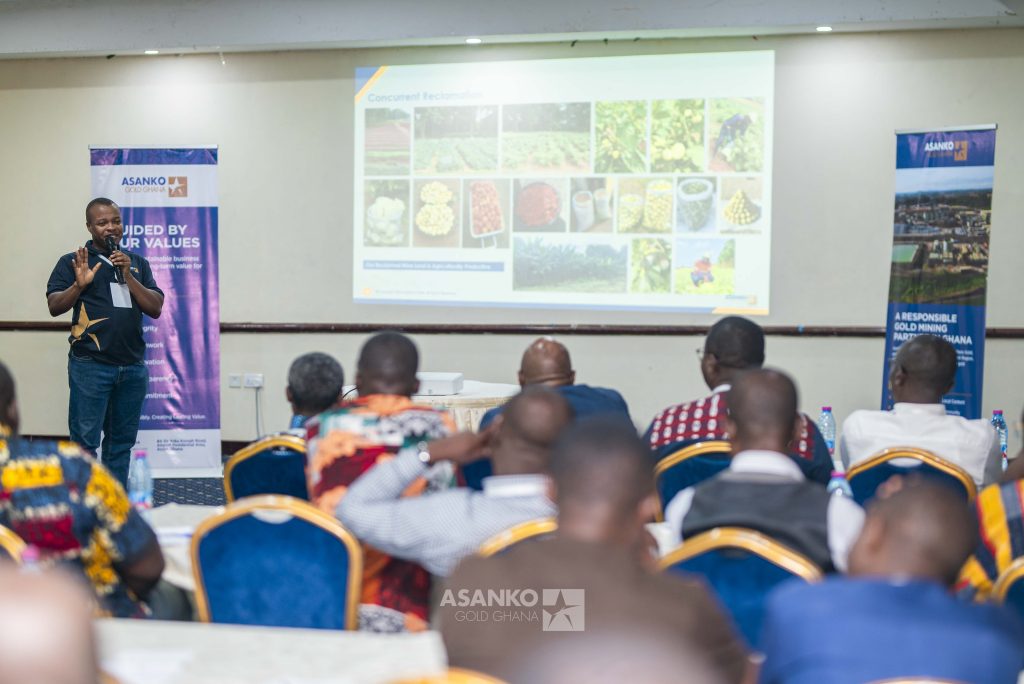
He said the company had initiated programmes to convert waste materials into fertiliser to support land reclamation efforts after mining activities.
Dr. Twumasi added that beyond planting trees, the company was also cultivating food crops on reclaimed lands with technical support from the CSR-Crop Research Institute.
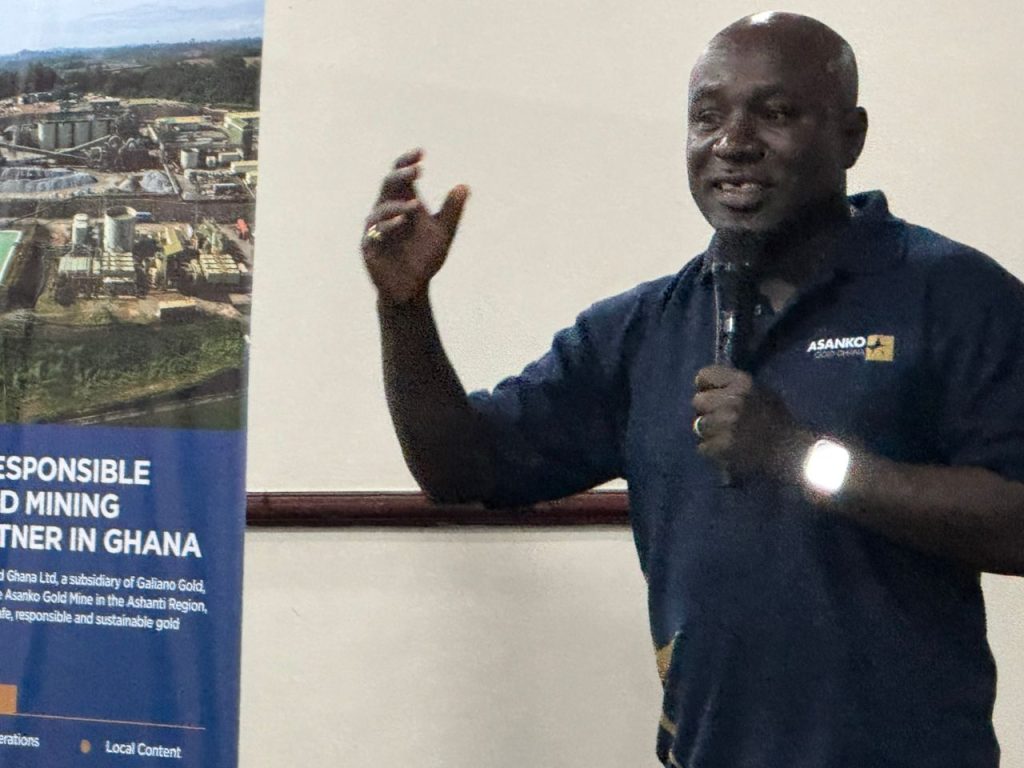
For his part, the Sustainability Manager, Dr. Isaac Kwabena Kwakye, said the mine had prioritised education, health, community infrastructure, agriculture and livelihoods under its Corporate Social Responsibility programmes.
He explained that these initiatives were being implemented under the company’s Five-Year Socio-Economic Development Plan, which supports host communities through local and traditional authorities and various development funds.
Dr. Kwakye disclosed that Asanko Gold Mine had constructed new health facilities and Community-based Health Planning and Services (CHPS) compounds while expanding existing ones.
He said the company was also expecting a 220-foot container of medical equipment to be distributed to 10 health facilities.
In addition, the mine has provided 16 mechanised boreholes for four communities and constructed classroom blocks in several communities within its operational areas.
Dr. Kwakye called on the media to support efforts to highlight the positive contributions of the mining sector to community development.
Source: www.kumasimail.com