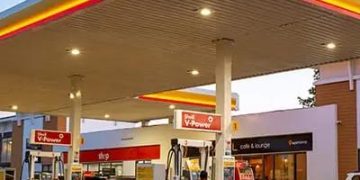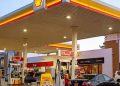




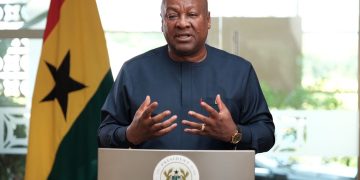









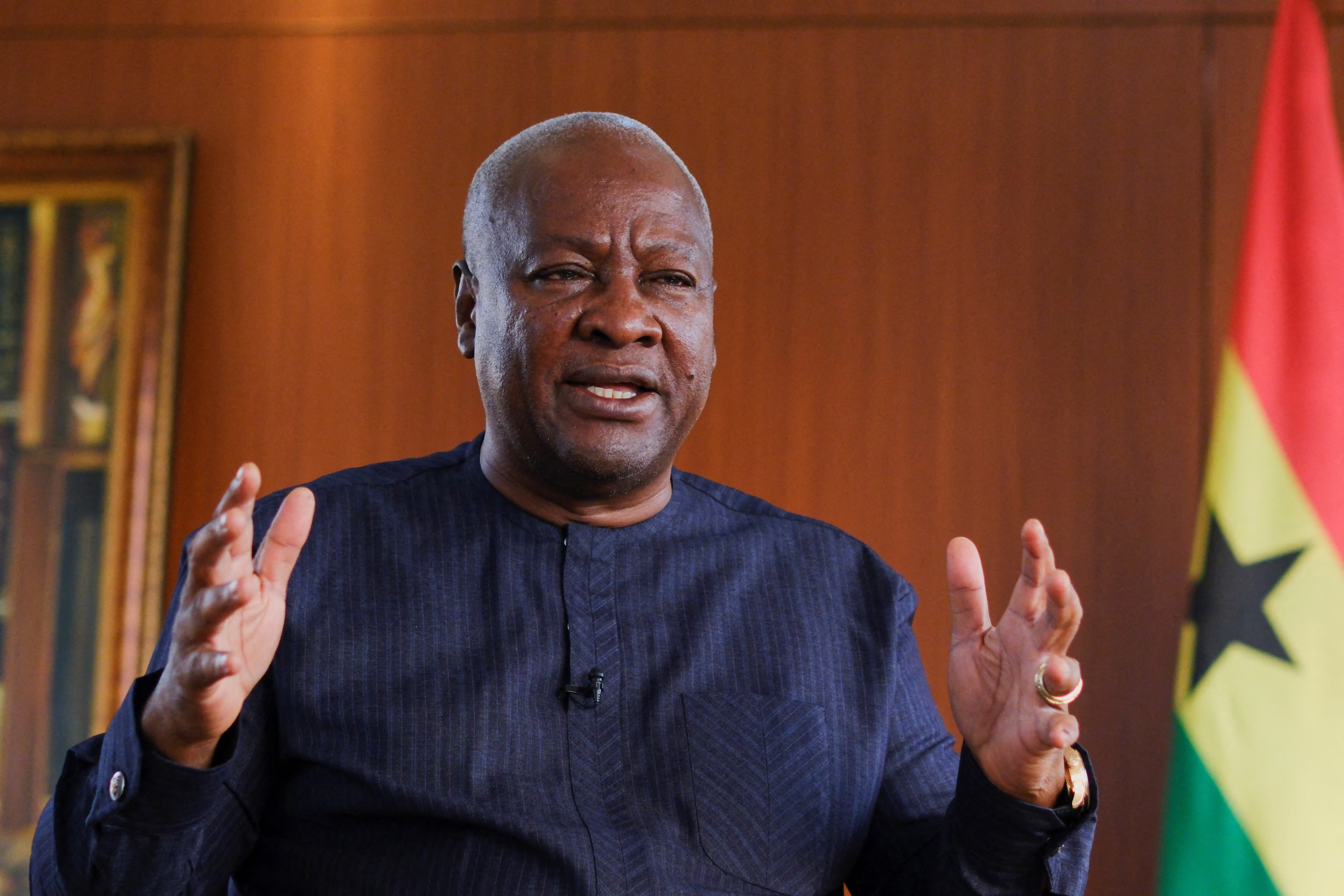

President John Dramani Mahama has ordered immediate interventions to shield Ghanaians from surging fuel prices, as global tensions in the Middle East continue to disrupt oil supplies and push up costs.


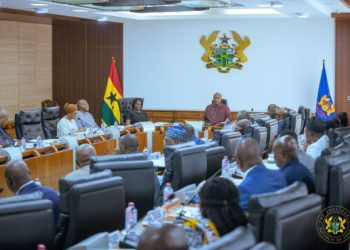
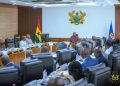
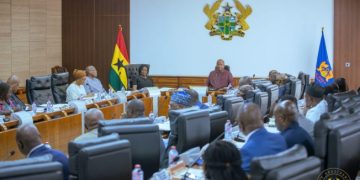
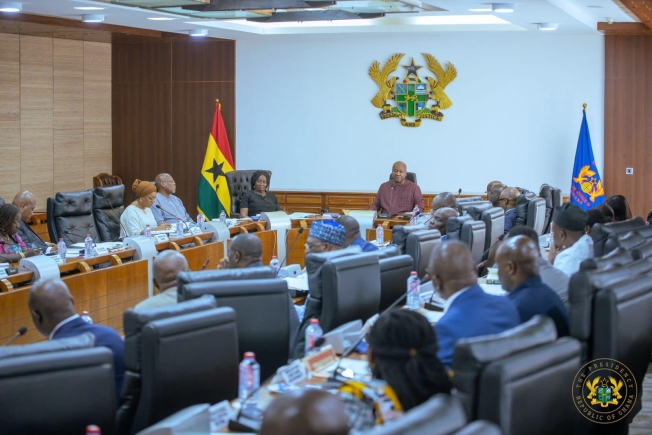
The directive was issued following a Cabinet meeting in Accra on Thursday, convened shortly after the President’s return from an official visit to France. The meeting focused on urgent steps to ease pressure on households and businesses amid sharp increases in petrol and diesel prices.
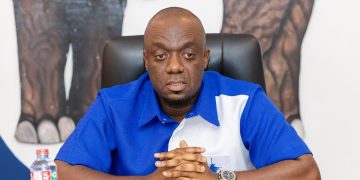
Central to the government’s response is a plan to review and temporarily suspend selected taxes and levies on petroleum products. The Minister for Finance, Cassiel Ato Forson, and the Minister for Energy, John Jinapor, have been tasked to engage industry players and implement measures aimed at reducing pump prices in the next pricing window.
Officials say the proposed relief package will run for an initial four-week period, after which it will be reassessed in line with developments in global oil markets, particularly the ongoing instability involving Iran, Israel and the United States.
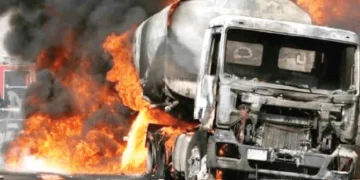
The spike in prices has been linked to disruptions along the Strait of Hormuz, a vital corridor for global crude oil shipments. The situation has tightened supply and triggered one of the steepest fuel price increases in Ghana in recent months.
As part of broader mitigation efforts, the President has also directed the Transport Ministry to fast-track the deployment of 100 Metro Mass Transit buses on busy routes. The buses are expected to offer lower fares than private operators, providing some relief to commuters grappling with rising transport costs.
In a further move to curb public spending, President Mahama instructed all ministers and senior government officials to strictly comply with an existing ban on fuel allowances, reinforcing efforts to cut expenditure during the current economic strain.
The measures form part of what officials describe as a coordinated national response to stabilise fuel prices and limit the knock-on effects on inflation, particularly in transport and food sectors.
Despite the uncertainty, the President expressed confidence in the resilience of the economy, assuring that the country would withstand the external shocks driven by the geopolitical crisis.
Source: www.kumasimail.com