





















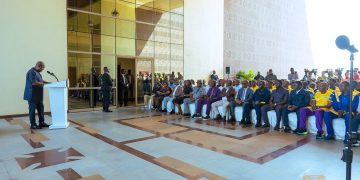









A renewed call for Africa to actively shape its own Artificial Intelligence (AI) agenda dominated the 13th R.P. Baffour Memorial Lecture, where experts warned that the continent risks deepening existing inequalities if it remains a passive consumer of global technologies.


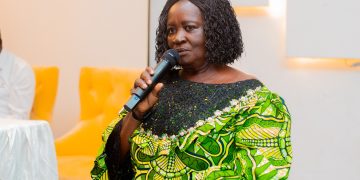
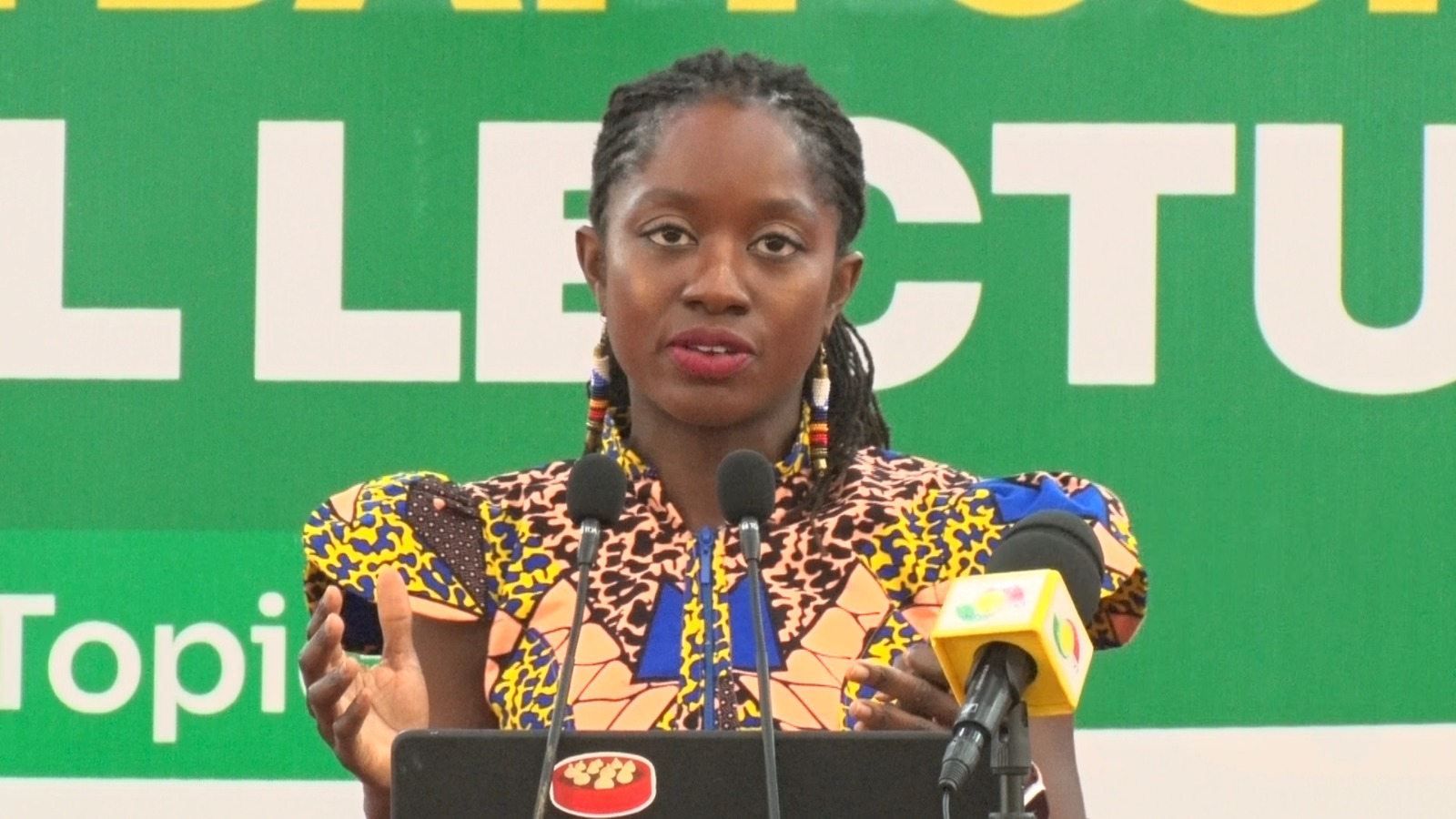
Delivering the lecture on the theme “Superintelligence, Health Equity, and the Imperative for Geo-Contextual AI Development,” Dr. Mercy Nyamewaa Asiedu stressed that AI could transform health, education, agriculture, and energy across Africa.
However, she said meaningful progress would be impossible without African-led research, innovation, and policy direction.
“Africa cannot afford to be just a consumer of AI. If AI models are trained only on Western datasets, they will continue to fail in African and rural contexts. That creates not just bias, but dependency and exclusion,” she cautioned.
Dr. Asiedu also questioned how future Artificial General Intelligence (AGI) systems would operate fairly across diverse cultural and social settings, noting that technology built without African input risks reinforcing inequities.
She argued that future AI systems must prioritize universal needs such as healthcare access, food security, electricity, internet connectivity, and disaster response, adding that technology must reflect the lived realities of the people it serves.
“We must build AI that understands our realities,” she said. “AI must not replace us, but work with us. If we design it wisely and locally, AI can serve humanity, not dominate it.”
To prevent Africa from falling further behind in the global AI race, Dr. Asiedu recommended incorporating AI awareness into basic education and embedding AI-related skills into vocational and technical training programmes.
She further called for investment in local computing infrastructure, development of region-specific datasets, and increased funding for AI research that is aligned with Africa’s development priorities.
Source: www.kumasimail.com