








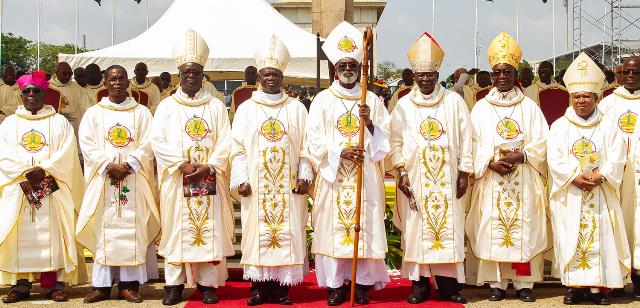
The Ghana Catholic Bishops’ Conference has expressed serious concern over weaknesses in the country’s curriculum development process following the circulation of a Senior High School teacher’s manual that contained content deemed inconsistent with Ghana’s cultural and moral values.


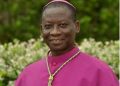
In a statement issued on Friday, January 16, 2026, and signed by its President, the Bishop of Sunyani, Most Rev. Matthew Kwasi Gyamfi, the Conference said the incident has exposed “deeper weaknesses in oversight, consultation, and value alignment within curriculum development processes.”
The controversy followed public outrage over definitions contained in a Year 2 SHS Physical Education and Health Teacher’s Manual, which many parents and educators believed threatened traditional notions of family, morality and personhood.
While welcoming the clarification by the National Council for Curriculum and Assessment (NaCCA) that the approved national curriculum does not include LGBTQ-related lessons, the Bishops said the episode should not be treated lightly.
“We commend NaCCA for withdrawing the offending material and issuing a revised manual aligned with national norms and values,” Most Rev. Gyamfi stated, adding that “public trust in education depends on transparency, accountability, and fidelity to constitutional and moral principles.”
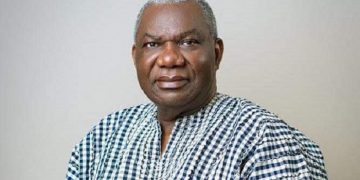
The Catholic Bishops also acknowledged calls by economist Prof. Godfred Bokpin and lawyer Moses Foh-Amoaning for a formal apology and an independent review, describing their interventions as reflecting “the conscience of many Ghanaians.”
According to the Conference, a detailed position paper on the matter has already been prepared and will be formally submitted to the Government, the Ministry of Education, NaCCA and the Ghana Education Service, with the aim of promoting reforms and restoring public confidence.
“Our intention is constructive engagement, institutional reform, and the strengthening of trust between families, schools, and the state,” the statement said.
Reaffirming the primacy of parents in the moral formation of children, the Bishops stressed that education must be age-appropriate, culturally grounded and developed through inclusive and accountable processes.
“Parents are the primary educators of their children. Schools must partner with families, not replace them, in moral and value formation,” Most Rev. Gyamfi said.
The Conference called for a comprehensive audit to determine how unauthorised content entered official teacher materials and urged the establishment of ethical oversight committees to vet sensitive educational content. It also proposed regular stakeholder dialogue involving parents, teachers, religious bodies, traditional authorities and education experts.
In its conclusion, the Bishops warned that safeguarding education is inseparable from safeguarding Ghana’s cultural identity.
“Education is not merely about producing skilled workers; it is about forming upright citizens, guided by conscience, rooted in truth, and committed to the common good,” the statement said.
The Catholic Bishops appealed to parents, teachers, policymakers and religious leaders to work together to “safeguard the soul of Ghanaian education” and ensure that moral values remain central to what children are taught in schools.
Source: www.kumasimail.com