





































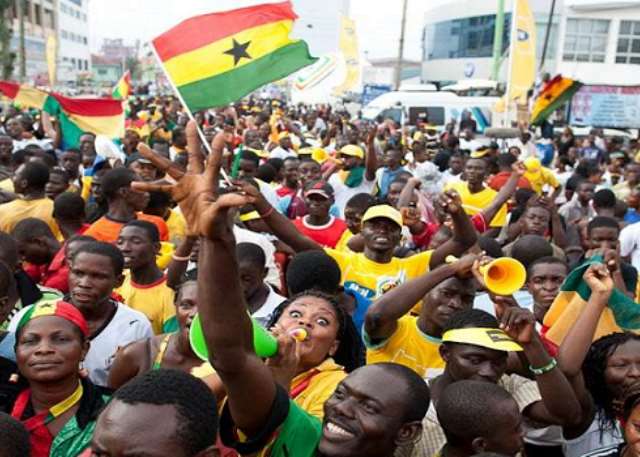
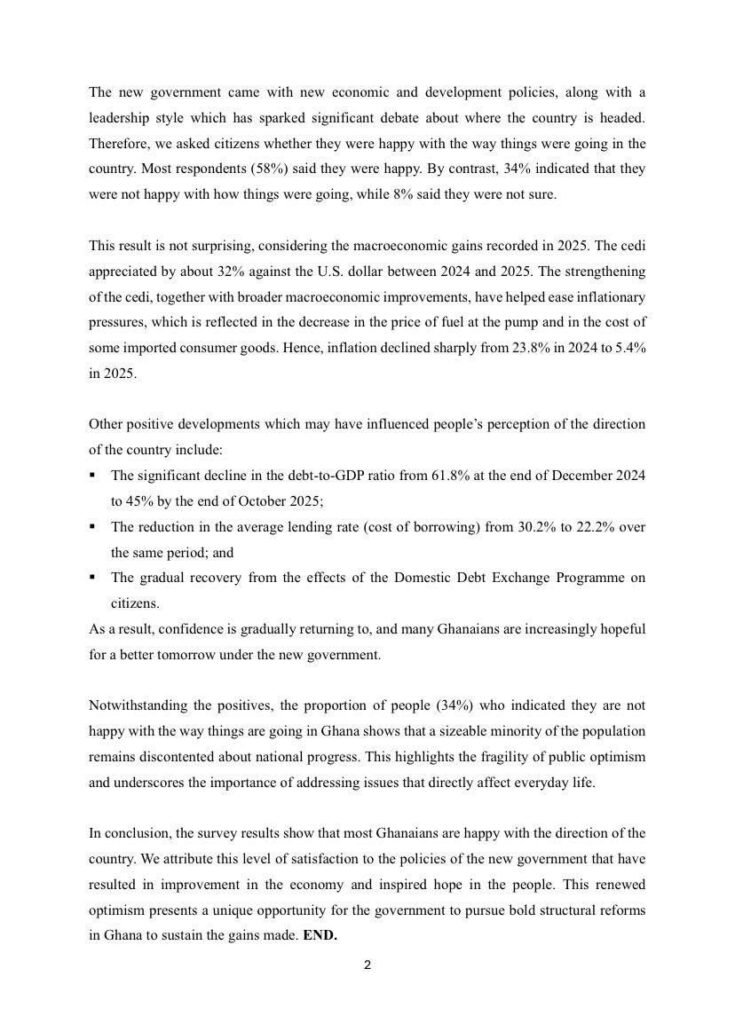
A 2025 Socioeconomic survey by the Institute of Economic Affairs (IEA) indicates that a majority of Ghanaians hold a positive view about the direction of the country, reflecting growing public confidence amid recent macroeconomic improvements.


According to the findings, 58% of respondents reported that they are happy with how things are going in the country, signalling a notable shift in public sentiment compared to previous periods of economic strain.
Macroeconomic Context Underpinning Public Sentiment
The IEA notes that the survey results are consistent with the significant macroeconomic gains recorded in 2025, which appear to be shaping perceptions across households and businesses.
One of the key drivers has been exchange rate stability, with the cedi appreciating by approximately 32% against the US dollar between 2024 and 2025. This marked a sharp reversal from the currency volatility experienced in earlier years.
The strengthening of the cedi, together with broader macroeconomic reforms, helped ease inflationary pressures. This was reflected in lower fuel prices at the pumps and reduced costs of some imported consumer goods.
As a result, headline inflation declined steeply from 23.8% in 2024 to 5.4% in 2025, according to the IEA.
Additional Positive Economic Developments
Beyond inflation and currency stability, several other developments may have influenced the improved public mood. The debt-to-GDP ratio declined significantly, falling from 61.8% at the end of December 2024 to 45% by end-October 2025, strengthening confidence in Ghana’s debt sustainability.
At the same time, the cost of borrowing eased, with the average lending rate declining from 30.2% to 22.2%, improving credit conditions for businesses and households.
The IEA also points to a gradual recovery from the effects of the Domestic Debt Exchange Programme (DDEP), particularly among households and investors who were previously impacted by the restructuring.
The debt-to-GDP ratio declined significantly, falling from 61.8% at the end of December 2024 to 45% by end-October 2025, strengthening confidence in Ghana’s debt sustainability.
At the same time, the cost of borrowing eased, with the average lending rate declining from 30.2% to 22.2%, improving credit conditions for businesses and households.
The IEA also points to a gradual recovery from the effects of the Domestic Debt Exchange Programme (DDEP), particularly among households and investors who were previously impacted by the restructuring.
Implications for Public Confidence
Taken together, the IEA believes these developments are contributing to a steady restoration of confidence, with many Ghanaians increasingly hopeful about the country’s economic outlook under the new government.
While challenges remain, the IEA suggests that “this renewed optimism presents a unique opportunity for the government to pursue bold structural reforms in Ghana to sustain the gains made”
Source: www.kumasimail.com