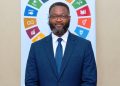
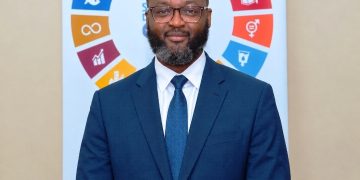

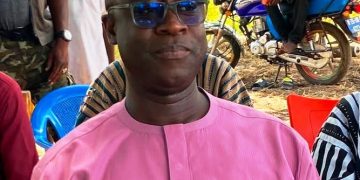

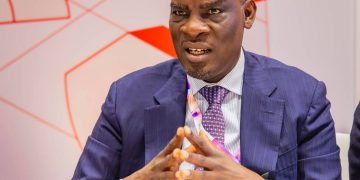











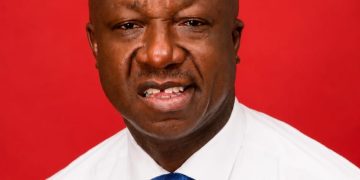








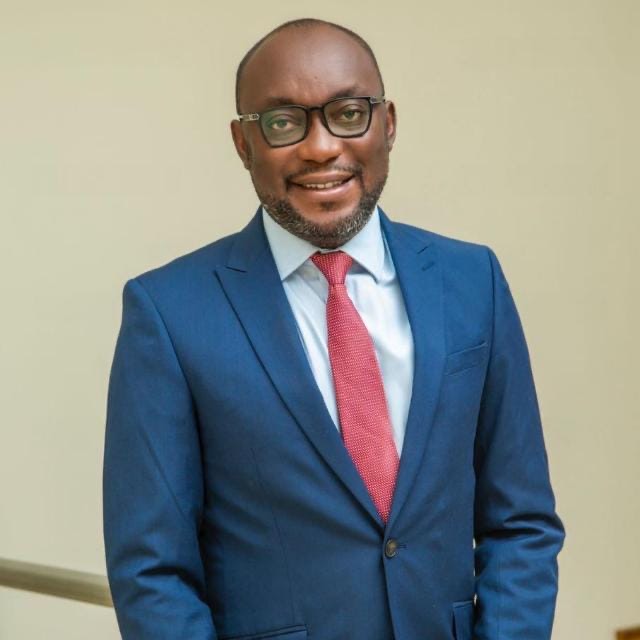
Dr. Kingsley Agyemang, the MP for Abuakwa South, has sounded the alarm over the United States’ withdrawal from the World Health Organization (WHO), calling it a “structural challenge to global health governance” that will hit countries like Ghana where it hurts most.


In a hard-hitting press statement, “Implications of the United States’ Withdrawal from the World Health Organization for Ghana and the Global Health System,” Dr. Agyemang laid bare the stakes.
The US was the WHO’s biggest historical funder, chipping in roughly 15 percent of its budget through assessed and voluntary contributions before pulling out (Gostin et al., 2020; WHO, 2022).
For Ghana, the fallout is stark: threats to public health defenses and frontline services. WHO props up homegrown drives against epidemics, vaccines, malaria, moms and kids’ health, and system upgrades.
Dr. Agyemang put it bluntly: “The depletion of this financing source affects the WHO’s operational efficacy in disease surveillance, emergency response, normative advice, and technical help, upon which Ghana’s health system significantly depends.”
The MP explained that the immediate threats for Ghana particularly to public health security and critical services are that outbreaks of cholera, meningitis, and emerging animal-to-human bugs, all worsened by climate shifts, could overwhelm us without solid WHO backup
Globally, the WHO loses its punch as the big convener for donors, standards, and fair shots at vaccines and drugs. Expect overlaps, ignored health rules, and deals skewed by big powers’ interests – not Ghana’s Universal Health Coverage dreams (Fidler, 2020).
“In the long term, this weakening of multilateralism may elevate transaction costs for Ghana, complicate strategic planning, and diminish predictability in health spending,” the MP cautioned
But Dr. Agyemang sees silver linings in Ghana’s push for homegrown funding, like wider National Health Insurance and new tackles on lifestyle diseases.
“Ghana’s current efforts in domestic health finance systems, such as the expansion of National Health Insurance coverage and new funding strategies for non-communicable diseases, mitigate foreign volatility to some extent,” he noted.
His fixes? Ramp up South-South teamwork, link with other global players, and speed up local drug making. Research backs it: diversified ties and local cash build tough health systems (Dieleman et al., 2019).
“The limited WHO budget calls for deep reflection on Ghana’s health system due to diminished global coordination, decreased technical support, and increased uncertainty in health security,” he urged.
He tipped his hat to government gains but demanded more stating “This moment, however, requires all key actors in the Ghanaian health system to consolidate existing gains through strategic measures that protect health system resilience and national health sovereignty.”
Dr. Agyemang emphasized that top priorities include diplomatic efforts for steady funding (Sokunbi et al., 2025), enhanced surveillance and primary care, reduced reliance on donors, South-South cooperation for vaccines, boosts to local pharmaceutical production, and top-tier research
“An essential catalyst for optimising gains for the aforementioned is the rigorous, cutting-edge, policy-relevant public health research.”
“Ongoing multilateral collaboration is essential for safeguarding at-risk populations and promoting global health equity. At this pivotal juncture, sustained cooperation remains essential to safeguarding lives and reinforcing collective global resilience,” Dr. Agyemang wrapped up.
Source: www.Kumasimail.com