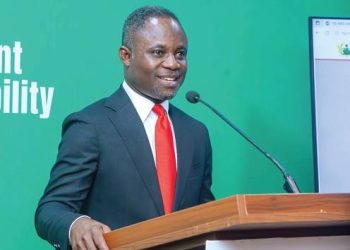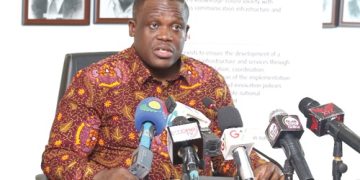

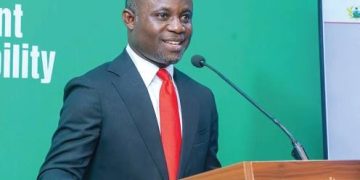





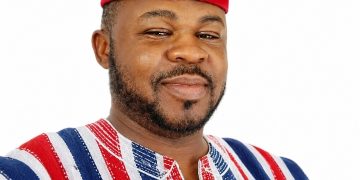















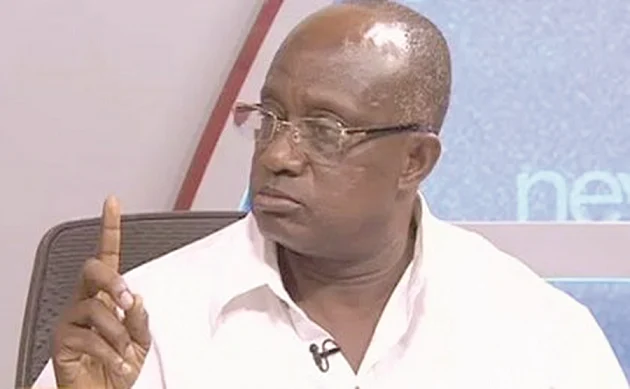
Former Ashanti Regional Minister Simon Osei-Mensah’s recent revelation that he stopped appearing on Nhyira FM because he was repeatedly described as “Tiwuyɛ” a Twi expression meaning incompetent has reopened an uncomfortable but necessary conversation about political language and double standards in Ghana’s public discourse.


According to Osei-Mensah, the remarks were made during the tenure of Dr. Nana Kwadwo Jantuah as host of the station’s morning show, and the persistent criticism made him uncomfortable enough to withdraw from the programme until the host exited. While his personal discomfort is understandable, the broader political context raises critical questions about consistency and accountability.
Hon. Osei-Mensah was a prominent figure within the New Patriotic Party (NPP) at a time when the party, its communicators, ministers and Members of Parliament routinely branded then-President John Dramani Mahama as incompetent.
The term “Tiwuyɛ” was not only widely used against President Mahama but became a central feature of NPP political messaging for years, defended as legitimate political criticism rather than abuse.
It is therefore difficult to ignore the contradiction when similar language, now directed at an NPP figure, is suddenly framed as unacceptable.
The term did not originate with any individual media personality; it was popularised and normalised within Ghana’s partisan political culture, particularly by the NPP during its years in opposition.
Political criticism, by its nature, involves judgments about performance. If calling a sitting president incompetent was once considered fair commentary, then applying the same standard to a regional minister cannot selectively become offensive.
Democratic discourse loses credibility when standards change depending on who is being criticised.
The discomfort expressed by Osei-Mensah highlights a deeper issue: a political culture that tolerates harsh language when aimed at opponents but recoils when that same language is turned inward. Such selective sensitivity undermines healthy debate and weakens accountability.
In politics, language shapes norms. Parties and political actors must recognise that the tone they set will eventually be reflected back at them. Accountability and criticism do not discriminate by party colours, and democratic maturity requires consistency, not convenience.
Source: www.kumasimail.com