





























The Ghanaian government has directed boards of state-owned enterprises and public institutions to stop undertaking international travel for training programmes, conferences, retreats and study tours funded by the state.


The directive, issued by the Office of the President and dated 5 March 2026, says the move is aimed at reducing public expenditure and ensuring prudent management of national resources.
According to the statement, the presidency has observed a growing trend in which boards of state-owned enterprises (SOEs) and public institutions travel abroad for training and other engagements, often involving multiple members and extended itineraries.
It said while the government recognises the importance of continuous learning and exposure to international best practices, the frequency and cost of such trips have raised serious concerns.
The directive noted that these travels often lead to significant spending on airfares, accommodation, per diems and other logistics, placing avoidable pressure on public finances at a time when the government is implementing measures to strengthen fiscal discipline.
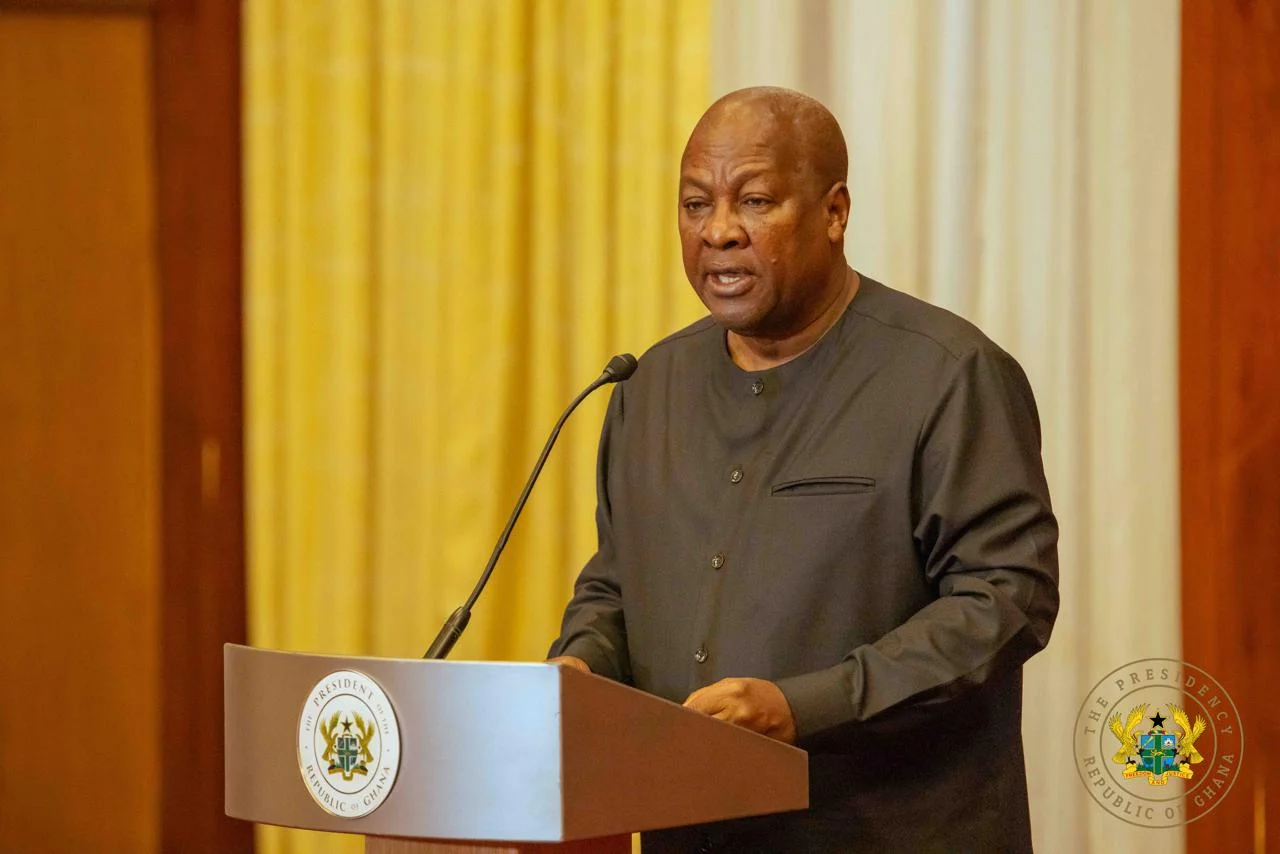
As a result, President John Dramani Mahama has ordered that the practice cease with immediate effect.
Under the new directive, boards of state-owned enterprises and other public institutions are prohibited from undertaking international travel for training, retreats, conferences or study tours using public funds.
However, the statement indicated that exceptions may be granted if an international engagement is considered absolutely necessary and cannot reasonably be conducted locally or virtually.
In such cases, a formal request must be submitted through the relevant sector minister to the Chief of Staff at the Office of the President for the president’s approval before any travel arrangements are made.
Requests for exceptional approval must include detailed justification, including the purpose and expected outcomes of the travel, its relevance to the institution’s mandate, the number of participants involved and the estimated total cost.
The presidency also encouraged ministries and public institutions to prioritise local training programmes, in-country retreats and partnerships with Ghanaian universities and professional bodies as more cost-effective alternatives.
Institutions requiring specialised training were also urged to explore virtual platforms and short-term expert engagements within Ghana rather than travelling abroad with full board delegations.
The directive forms part of the government’s broader effort to strengthen expenditure controls and reduce non-essential public spending, with savings expected to be redirected towards priority programmes, infrastructure development and social interventions.
All ministers have been asked to ensure strict compliance with the directive among boards, chief executive officers and management teams of state-owned enterprises and public institutions under their supervision.
Source :www.kumasimail.com