





































Public health experts from around the world have called for stronger investment in wastewater and environmental surveillance (WES) to enhance disease detection and response systems globally.


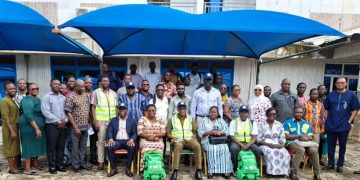
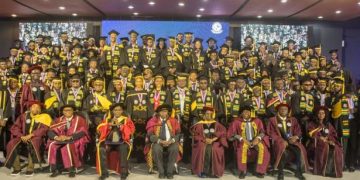
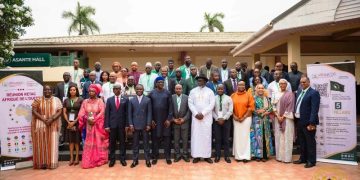
The call was made at the end of the Wastewater and Environmental Surveillance (WES) Conference 2026 held in Accra on April 15, which brought together scientists, policymakers, and health professionals from 31 countries. The conference, themed “Harnessing Wastewater and Environmental Surveillance – A One Health and Disease Control Tool,” attracted 178 in-person participants and more than 400 virtual attendees daily from Africa, Europe, Asia, and the Americas.
Participants emphasised that wastewater surveillance offers a cost-effective and non-invasive method for early detection of infectious diseases, including emerging and re-emerging pathogens. Evidence presented showed that WES can complement traditional clinical surveillance, strengthen outbreak preparedness, and enable timely public health interventions.
Delivering the keynote address, the World Health Organization’s Technical Lead on Sanitation and Wastewater, Kate Medlicott, said wastewater surveillance can provide critical trend data even where clinical reporting is limited. She called for increased collaboration across sectors and the adaptation of WES systems to suit local contexts.
The Director-General of the Ghana Health Service, Dr. Samuel Kaba Akoriyea, reaffirmed Ghana’s commitment to integrating WES into national disease control strategies. He noted that the approach has already contributed to polio eradication efforts and holds potential for addressing a wider range of public health challenges.
Despite its benefits, participants raised concerns about the heavy reliance on donor funding for WES programmes in many low- and middle-income countries. They urged governments to prioritise domestic investment, strengthen technical capacity, and incorporate WES into national policies.
Key recommendations from the conference included adopting WES as a core component of the One Health approach, integrating it into national surveillance systems, expanding research on cost-effectiveness, developing sustainable financing mechanisms, and investing in laboratory and technical infrastructure.
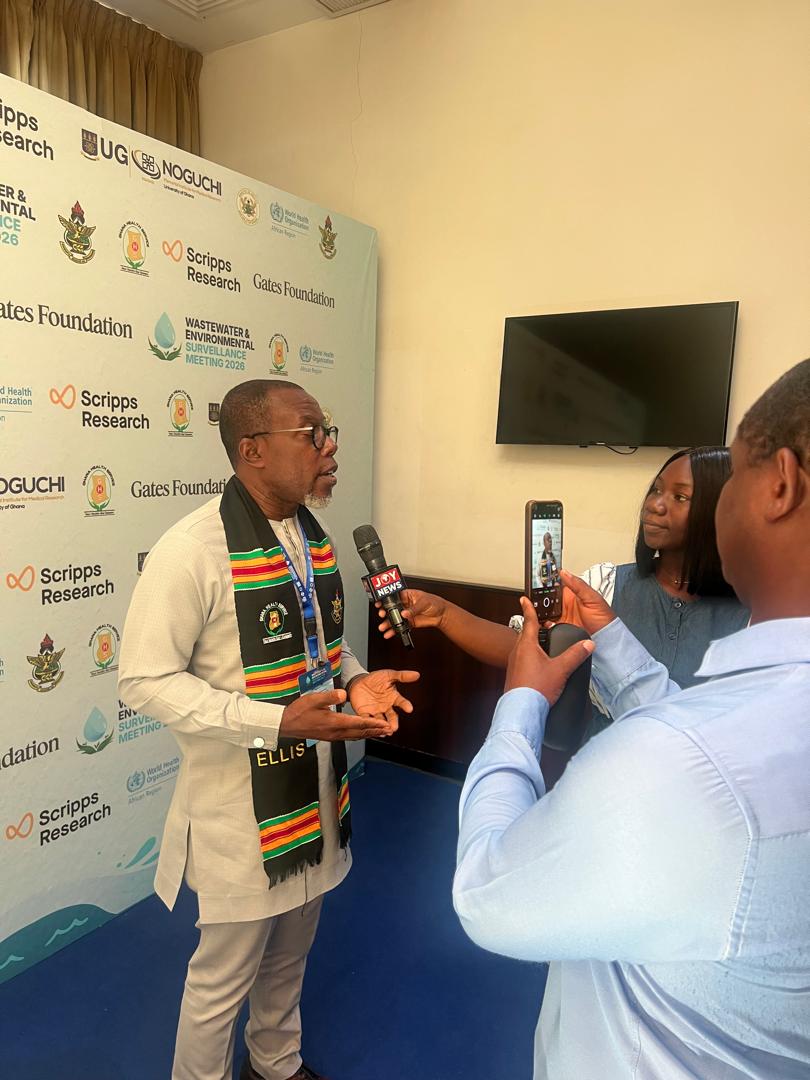
Chairing the conference, Prof. Ellis Owusu-Dabo called for scalable and sustainable WES systems to improve global health security.
Organisers also expressed appreciation to partner institutions, including KNUST, the Ghana Health Service, the World Health Organization, the University of Ghana, the Noguchi Memorial Institute for Medical Research, the Environmental Protection Authority, Scripps Research, the Ministry of Health, and the Gates Foundation, for their support in hosting the conference.
Source: www.kumasimail.com