


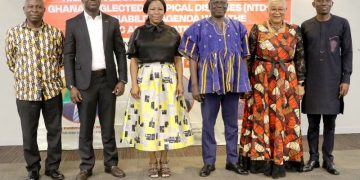
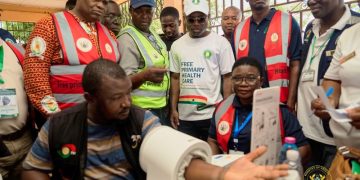





























The Ghana Health Service (GHS) in the Ashanti Region has begun an integrated Mass Drug Administration (MDA) campaign to combat oncocerciasis, popularly known as river blindness, and schistosomiasis, also known as bilharzia or Behazda, in selected districts across the region.


The exercise, which started on June 20, 2026, and is expected to end on July 3, 2026, forms part of national efforts to eliminate neglected tropical diseases (NTDs) that continue to affect communities, particularly those located near rivers, streams, and other water bodies.
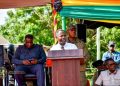
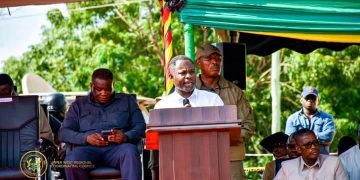
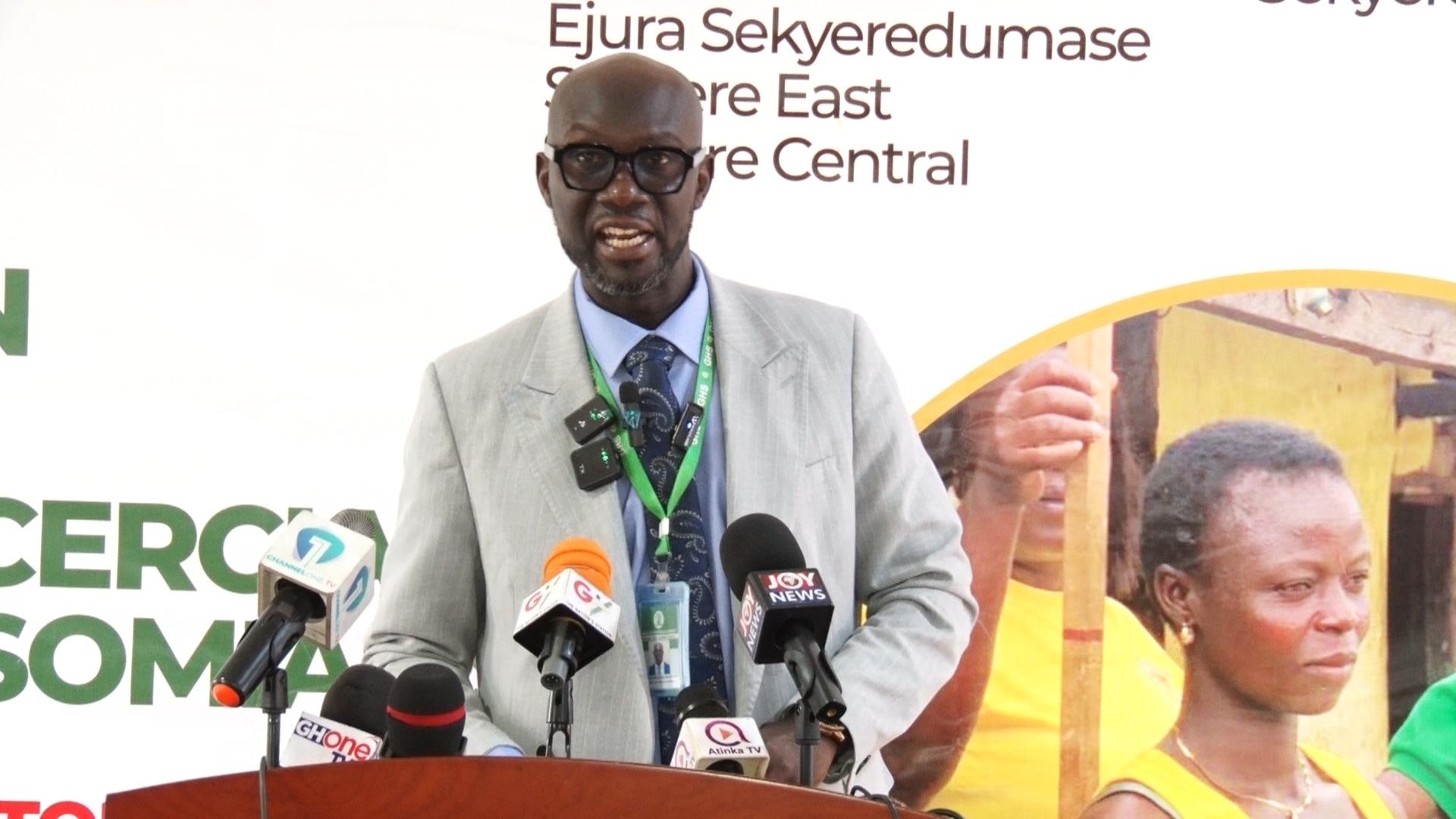
Speaking at a press conference, the Ashanti Regional Director of the Ghana Health Service, Dr. Fred Adomako, said the diseases remain a public health concern because of their impact on individuals, families, and communities.
He explained that neglected tropical diseases can lead to serious health complications, including visual impairment, blindness, skin conditions, blood in urine, kidney damage, poor academic performance among children, and reduced productivity.
Dr. Adomako also highlighted the social consequences associated with some of the conditions, particularly stigma arising from visible effects of the diseases, which can affect the dignity and social wellbeing of affected persons.
According to him, suspected cases recorded and treated in health facilities in the Ashanti Region between 2021 and 2025 show that the diseases remain present in some communities.
For oncocerciasis, the region recorded 87 treated cases in 2021, 44 in 2022, 104 in 2023, 46 in 2024, and 160 in 2025.
For schistosomiasis, the number of people treated based on symptoms stood at 436 in 2021, 548 in 2022, 294 in 2023, 298 in 2024, and 401 in 2025.
Dr. Adomako, however, said the diseases are preventable and can be eliminated through sustained community participation in Mass Drug Administration programmes.
He said the government, through the Ghana Health Service and with support from development partners, has made significant progress in reducing the burden of neglected tropical diseases across the country.
“Nationally, transmission of oncocerciasis has been interrupted in 64 out of 149 endemic countries,” he said, adding that major reductions of more than 90 per cent have been achieved in the burden of diseases such as oncocerciasis, schistosomiasis, lymphatic filariasis, and soil-transmitted helminthiasis.
The Ashanti Regional Director noted that the region’s MDA programme has consistently recorded strong performance, with therapeutic coverage in targeted oncocerciasis districts ranging between 80 and 87 per cent over the past two years.
He cited the September 2025 campaign, where Sekyere East recorded 86.6 per cent coverage, while districts including Ahafo Ano North, Asante Akim North, Offinso North, Sekyere Central, and Sekyere Kumawu achieved coverage above 82 per cent.
“These achievements demonstrate the commitment of our communities and the dedication of our health workers,” Dr. Adomako said.
He added that the World Health Organization recommends achieving and maintaining at least 80 per cent therapeutic coverage among eligible populations in all endemic communities to interrupt transmission and move closer to elimination.
“This year, our goal is to exceed this target in every participating district and community,” he stated.
The 2026 integrated Mass Drug Administration exercise will cover selected communities in districts including Ahafo Ano North, Asante Mampong, Achiase/Amansie areas, Ejura Sekyedumase, Offinso North, and Sekyere districts, among others.
The Ghana Health Service is urging residents in affected communities to participate fully in the exercise to help protect individuals and accelerate the elimination of neglected tropical diseases in the region.
Source: www.kumasimail.com