





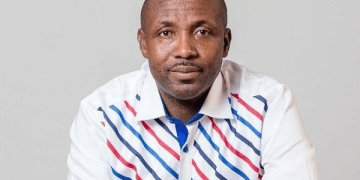













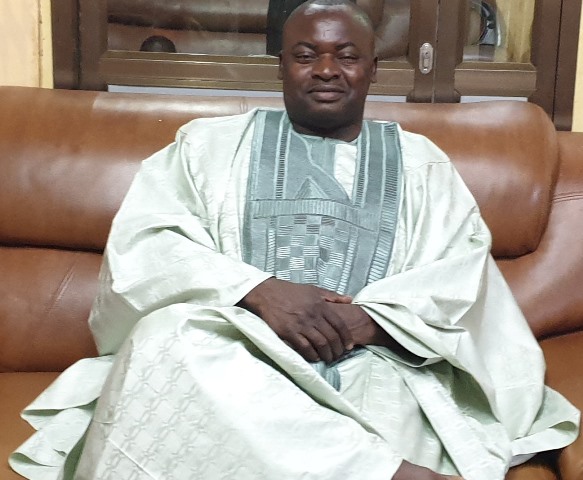
Tamale-based businessman and real estate developer, Alhaji Fuzy Sabonkudi, has weighed into Ghana’s constitutional reform debate, raising concerns about some key recommendations contained in the final report of the Constitutional Review Committee (CRC), even as he commended the committee for completing its work.


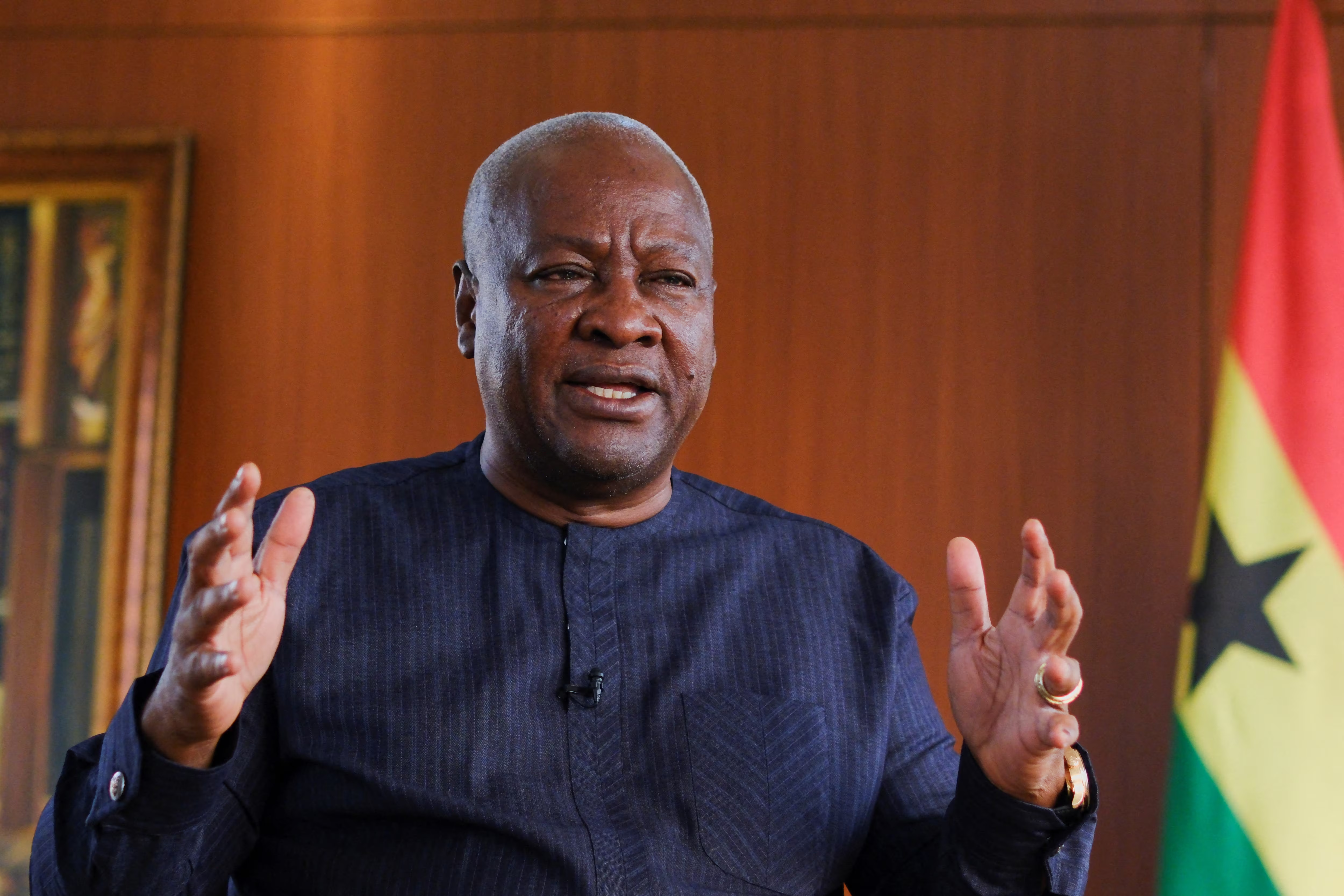
The CRC, which was tasked to review aspects of the 1992 Constitution that have generated public dissatisfaction over the years, presented its completed report to President John Dramani Mahama on Monday at the Jubilee House in Accra. The report is expected to form the basis for wide-ranging national consultations and possible constitutional amendments.
Among the notable recommendations in the CRC’s report is a proposal that Members of Parliament should not be appointed as Cabinet Ministers, a move the committee argues would strengthen parliamentary oversight and deepen the separation of powers.
However, Alhaji Sabonkudi, CEO of Sabonkudi Estates in Tamale in a Facebook on Tuesday, December 23, 2025, strongly disagrees with that recommendation.
“I honestly believe that all ministers should rather be chosen from Parliament,” he stated, arguing that MPs bring democratic legitimacy and public accountability into executive governance.
According to him, MPs who contest elections are subjected to rigorous scrutiny long before entering government.
“When a minister is also an MP, they represent a real constituency. They’ve been through the mill, fought elections, faced tough questions from voters, and have been thoroughly scrutinised by their communities,” he said.
He warned that excluding MPs from ministerial appointments could inadvertently weaken accountability.
“MPs have to prove they can connect with the people and handle pressure. That is better than just picking someone because they have money or connections,” Alhaji Sabonkudi noted.
He further cautioned that opening ministerial appointments exclusively to non-parliamentarians could make executive positions vulnerable to elite capture.
“If we allow ministers to come only from outside Parliament, it opens the door for wealthy people to simply pay their way into government without any real public scrutiny or effort,” he stressed.
Drawing inspiration from comparative constitutional systems, he advocated for Ghana to adopt a model similar to that of the United Kingdom.
“Let’s follow the UK model, where ministers come from Parliament. That way, leaders earn their place through the ballot box and through their constituents, not just through money or influence,” he added, remarking that “our MPs are not saints, but the devil you know is better than the angel you don’t know.”
Beyond ministerial appointments, Alhaji Sabonkudi also criticised the CRC’s reported proposal to extend the presidential term from four years to five years.
“I don’t agree with the five-year presidential term proposal,” he said. “Why should we wait five good years to kick out a clearly bad and corrupt government when its flaws can easily be seen within the first year?”
Using a Dagbani proverb to underscore his point, he argued that governance failures often reveal themselves early.
“As we say in Dagbani, it is from the beginning of a testicle that you know it will develop into a hernia. Waiting five years will only amplify the damage, as we have seen in the past,” he remarked.
While acknowledging the overall efforts of the committee, Alhaji Sabonkudi expressed surprise at what he sees as a major omission in the final report submitted to the President.
“The Constitutional Review Committee has done a good job, but I am surprised there is no proposal to limit presidential powers and the ‘winner-takes-it-all’ system,” he said.
Calls to curb excessive executive authority and reform the winner-takes-all governance model have featured prominently in Ghana’s constitutional reform discourse, with civil society groups and governance experts arguing that such changes are essential for deepening democracy, inclusion, and accountability.
As the nation awaits the next steps following the submission of the CRC’s report to President Mahama, perspectives such as those expressed by Alhaji Fuzy Sabonkudi are expected to shape the public debate on how best to reform Ghana’s constitutional framework.
Source: www.kumasimail.com