


































The fortunes of Ghanaian yam farmers may be facing a turning point as Burkina Faso intensifies its push toward large-scale domestic yam production, a move that could significantly reshape trade dynamics within the ECOWAS sub-region.


Under the leadership of Captain Ibrahim Traoré, Burkina Faso’s new junta government has placed agriculture at the heart of its economic recovery strategy. Central to this “reset agenda” is the commercial cultivation of yams, a staple food widely consumed across the country and a major import commodity from neighbouring countries.
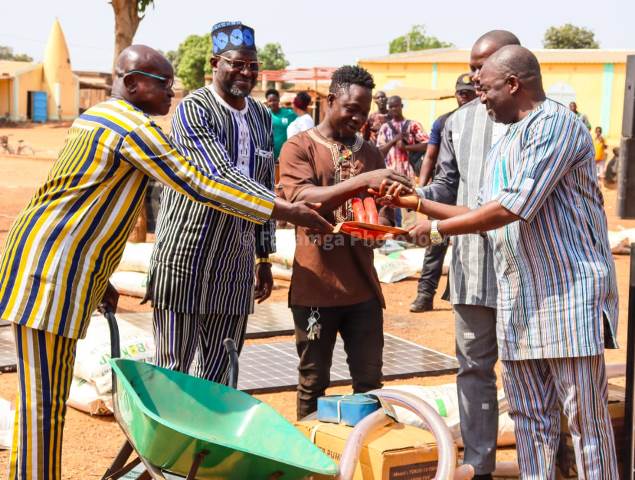
This renewed focus was celebrated in Leo, the capital of the Sicily Province, where a colourful festival was held on Saturday January 24, 2026 to mark a bumper harvest and motivate farmers to expand production. The event drew high-profile attendance, including the Sisili Province Regional Minister, the Chief of Leo, His Majesty Leo Pio Danzewe, heads of security, and Ghana’s Gwollu Chief, Kuoro Limann. The highest guest of honour was His Excellency Bassolma Bazié, Burkina Faso’s Ambassador to the Sahel Confederation, representing the junta leader.
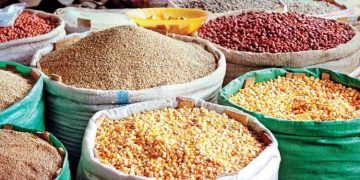
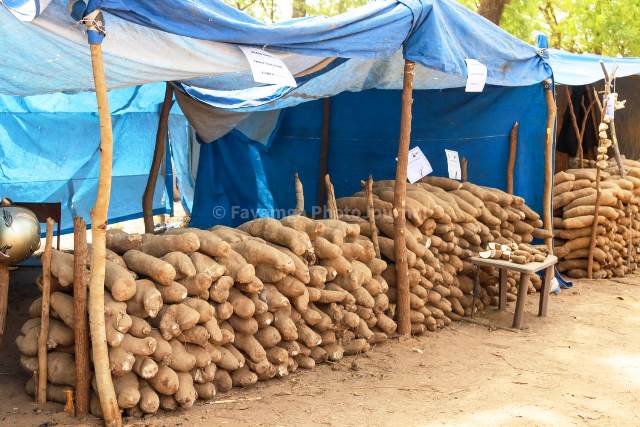
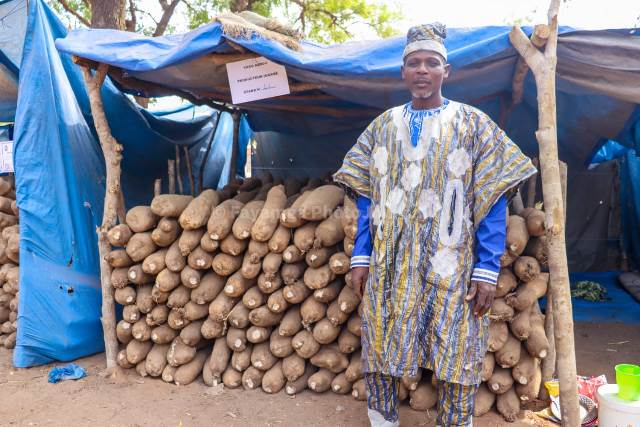
More than 52 selected yam farmers showcased their produce under sheds at the large yam market in Leo, transforming the venue into a vibrant exhibition of the country’s growing agricultural ambition.
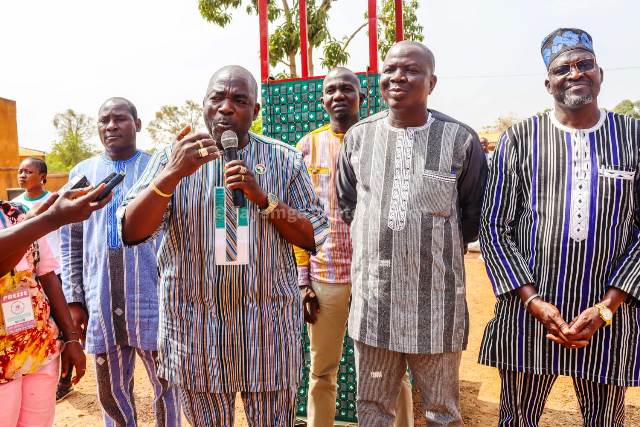
Addressing participants, the ambassador reaffirmed the government’s commitment to investing heavily in agriculture, describing it as a catalyst for economic stability and improved livelihoods for citizens. He emphasised that strengthening domestic food production is a strategic priority aimed at reducing dependence on imports and opening new export opportunities in the near future.
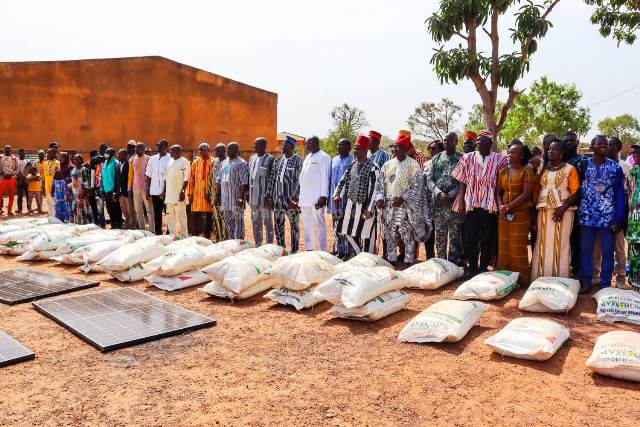
Farmers at the exhibition expressed cautious optimism.
Yago Abdou, one of the exhibitors, praised the government for revitalising yam cultivation through the procurement of seed yams from Côte d’Ivoire and the establishment of a cooperative platform where farmers can discuss shared challenges and opportunities.
Another farmer, Zizien Idrissou, said increased government support could soon boost production levels enough to significantly cut down on yam imports from Ghana.
Available trade reports indicate that Burkina Faso remains one of the top importers of Ghanaian yams within the ECOWAS region, serving as a major market for farmers across Ghana’s yam-producing belts. Each week, long-haul trucks laden with yams line up at the border posts of the Upper East and Upper West Regions, bound for markets across Burkina Faso.
However, as Burkina Faso accelerates its drive toward self-sufficiency, Ghanaian farmers and exporters are beginning to weigh the potential impact on their livelihoods. The evolving agricultural landscape suggests that a long-standing cross-border trade relationship may soon enter a new and more competitive phase.
Source: www.kumasimail.com/Ayamga Bawa Fatawu