
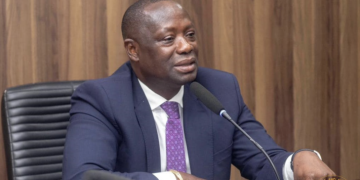








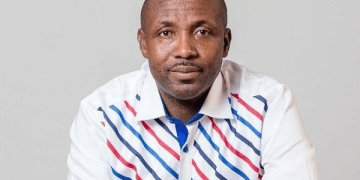















Northern Regional Minister, Hon. Ali Adolf John, has warned that weak trust between security agencies and civilians could deepen vulnerabilities to violent extremism, particularly in Ghana’s northern corridor.


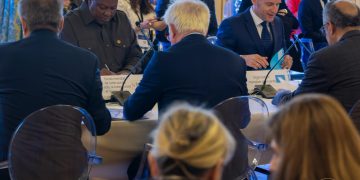
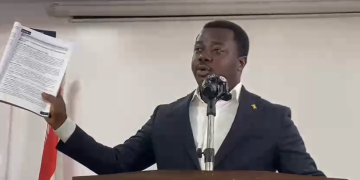
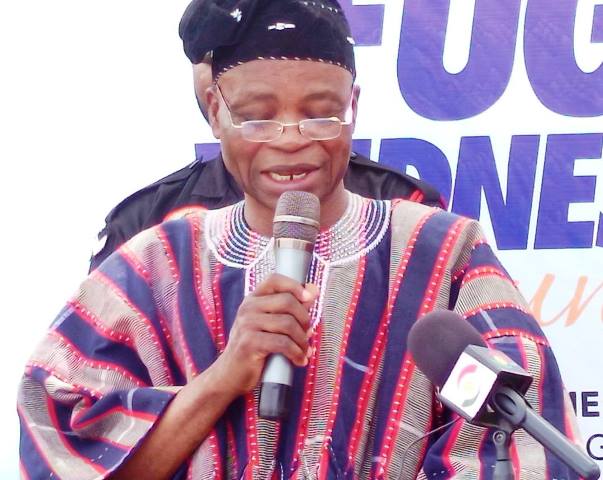
Speaking at a high-level Civil-Military Cooperation (CIMIC) dialogue organised by Catholic Relief Services (CRS) in Tamale on March 18, 2026, the Minister said Ghana’s stability, though commendable, remains fragile amid rising extremist threats across the West African sub-region.
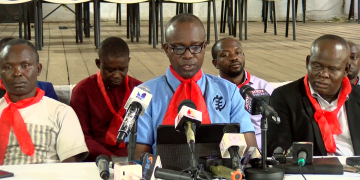
The dialogue, held under the Prevention of Violent Extremism through Social Accountability Project, brought together the National Peace Council, security agencies, civil society organisations, and traditional and religious leaders to strengthen collaboration between citizens and security institutions.
Highlighting growing local pressures, Hon. Adolf pointed to chieftaincy and land disputes, youth unemployment, and rising illicit drug use as key risks in the Northern Region, cautioning that such conditions—combined with cross-border movements—create openings that extremist groups could exploit.
“To address these threats effectively, we must strengthen the bond between civil society and the military to build public confidence and shared responsibility,” he noted.
He stressed that civil-military cooperation must go beyond routine engagements and be grounded in the realities of local communities, adding that security operations become more effective when citizens perceive security forces as partners in both development and safety.
The Minister outlined three priority areas to boost cooperation: building mutual trust through sustained engagement, establishing secure channels for information sharing to support early threat detection, and strengthening institutional capacity through training in conflict sensitivity, cultural awareness, mediation, and communication.
Hon. Adolf further underscored the need to tackle the root causes of extremism, especially among young people, warning that economic and social exclusion makes them susceptible to radicalisation. He said youth empowerment and civic participation are essential to national security.
He also called for increased inclusion of women in peace and security frameworks, describing them as vital early warning actors within families and communities, and advocated gender-responsive approaches to peacebuilding.
“As a Regional Minister, I pledge my unwavering support to initiatives that unite our security services, traditional leaders, and civil society. My commitment to a peaceful and secure Northern Region is absolute,” he affirmed.
He expressed appreciation to CRS and its partners for sustaining peacebuilding efforts, as stakeholders continue deliberations aimed at strengthening civil-military relations and community resilience against violent extremism in Northern Ghana.
Source: www.kumasimail.com