




















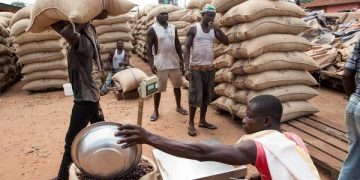











Ghana’s governing Majority in Parliament has defended sweeping reforms in the cocoa sector, blaming what it describes as years of financial mismanagement and mounting debt for the current crisis at the Ghana Cocoa Board (COCOBOD).


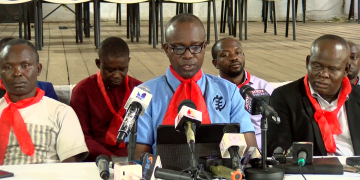
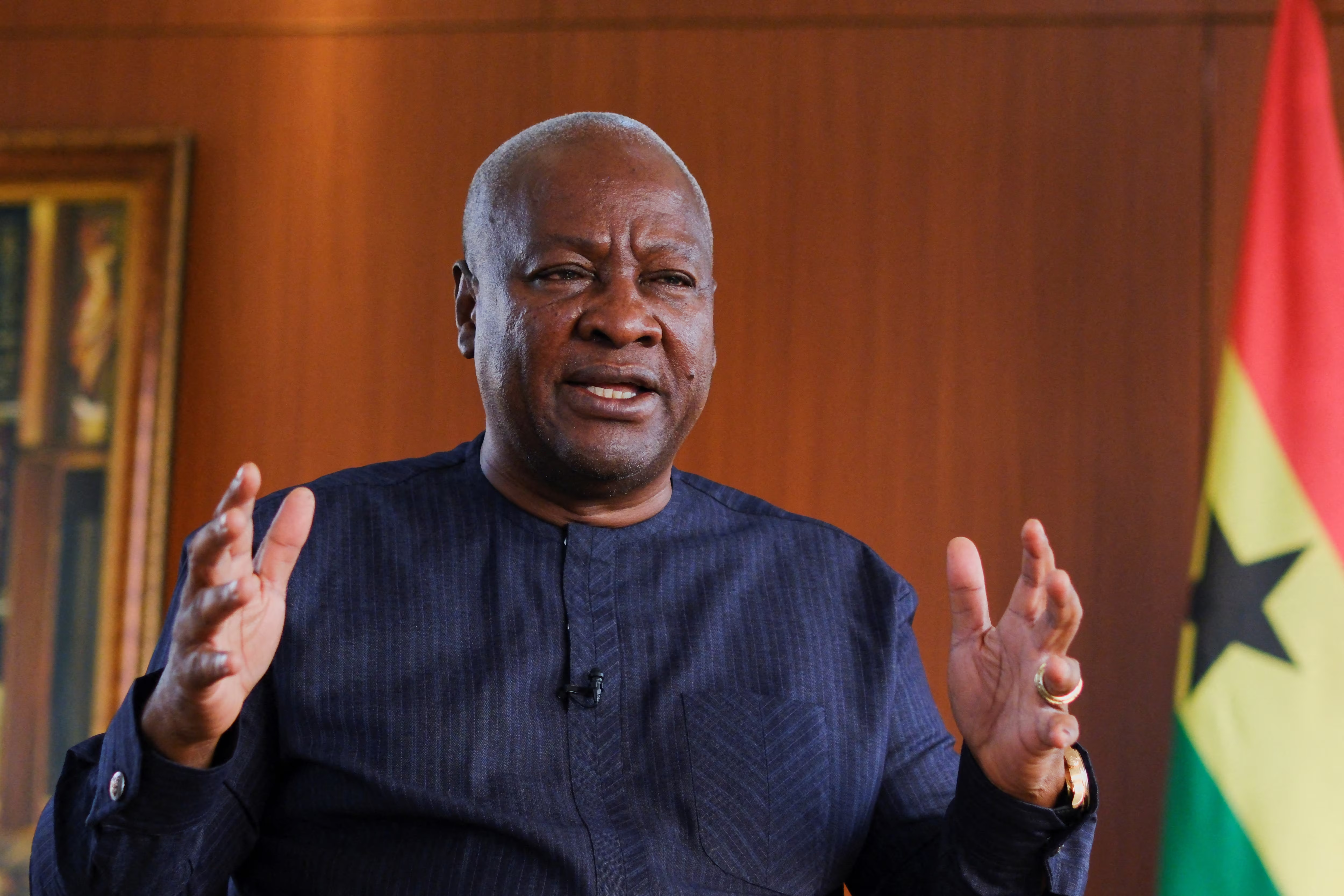
Addressing a press conference in February 2026, Member of Parliament Isaac Adongo said the reforms were aimed at restoring financial discipline, rebuilding farmer confidence and repositioning COCOBOD as a commercially viable institution.
He rejected criticism from the opposition New Patriotic Party (NPP), describing their claims about the sector as misleading.
Mounting debt and negative equity
According to Mr Adongo, COCOBOD entered 2025 with debts of nearly 17.8bn Ghana cedis ($… ), alongside additional operational liabilities. He said the board’s total indebtedness peaked at about 32.9bn cedis by January 2025.
He added that COCOBOD’s financial position had deteriorated sharply in recent years, shifting from positive net equity of about 1.8bn cedis in 2016 to negative equity of roughly 3.8bn cedis by 2024.
Net losses, he said, rose from 283 million cedis in 2020 to nearly 6bn cedis in 2024, while liabilities more than doubled over the same period.
The government has since converted about 5.8bn cedis in legacy debts owed to the Ministry of Finance and the Bank of Ghana into equity, subject to parliamentary approval, in a bid to restore the board’s balance sheet.
Global price shock
Mr Adongo said the sector was also hit by an unprecedented global cocoa price collapse of about 76% between January 2025 and February 2026.
He dismissed suggestions that the crisis was caused by a failure to secure forward sales contracts, arguing that most of the projected 2025/26 crop had already been forward-sold before prices fell sharply.
He acknowledged, however, that excessive forward commitments in the 2023/24 season led to large-scale contract defaults when production fell short, imposing heavy financial penalties on COCOBOD.
Production challenges
Cocoa output has been on a downward trend since 2016, apart from a peak of just over one million tonnes in the 2020/21 season.
The Majority attributed the decline to the spread of Cocoa Swollen Shoot Virus Disease, which it said has affected about 40% of farms, as well as incomplete rehabilitation programmes and procurement inefficiencies.
An African Development Bank facility of $600m was secured to support rehabilitation and other projects, but only $350m was drawn down. Mr Adongo said about 40,000 hectares of farms had been rehabilitated by January 2025, far short of the original target.
New financing model
After failing to secure a syndicated loan for the 2024/25 season, COCOBOD adopted a buyer-prefinancing model under which buyers advance up to 80% of contract values.
The government now plans to introduce a domestic cocoa bond programme to provide working capital, estimated at about 30.7bn cedis per year, to finance cocoa purchases and ensure timely payments to farmers.
Cabinet has also approved the transfer of 4.35bn cedis in cocoa road liabilities to the relevant ministries, in a move intended to remove non-core infrastructure obligations from COCOBOD’s books.
Price adjustment and reforms
The Majority said a recent producer price adjustment was unavoidable, as world market prices had fallen below the farm-gate price, making previous pricing levels fiscally unsustainable.
Planned reforms include linking producer prices more closely to global prices and exchange rates, exiting quasi-fiscal activities, strengthening disease control and farm rehabilitation, and requiring that at least 50% of cocoa beans be processed locally from the 2026/27 crop season.
The government has also announced a forensic audit into COCOBOD’s operations over the past eight years.
Mr Adongo said the reforms were designed to restore financial sustainability, strengthen governance and ensure cocoa remains a key pillar of Ghana’s economy.
The opposition has yet to respond formally to the latest claims.