



























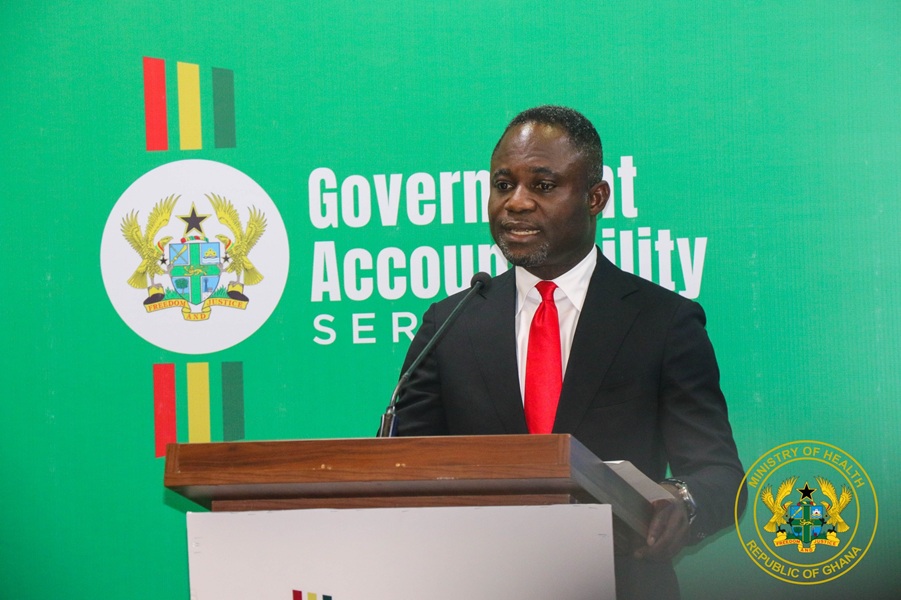
Government is set to introduce a nationwide Free Primary Health Care (FPHC) policy aimed at removing financial barriers to essential medical services and strengthening preventive healthcare delivery across the country.


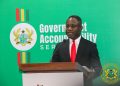
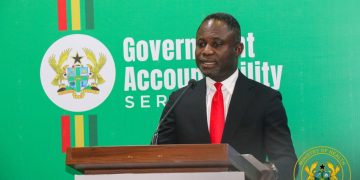
Announcing the initiative at a press engagement in Accra, during the Government Accountability Series, Health Minister Kwabena Mintah Akandoh said the policy represents a major shift in Ghana’s health system, moving from a treatment-focused approach to one that prioritises prevention, early detection, and community-based care.
He said the programme is designed to ensure that every Ghanaian can access essential primary health services at no cost at the point of care, particularly at CHPS compounds, health centres, and polyclinics.
“This is not just about policy. It is about whether a Ghanaian can access care early, easily, and without worrying about cost,” the Minister said.
Addressing gaps in healthcare access
The Minister noted that although Ghana has made progress toward Universal Health Coverage, with service coverage currently estimated at about 56%, significant gaps remain.
He cited low National Health Insurance Scheme (NHIS) enrolment—about two-thirds of the population—as well as persistent out-of-pocket payments, which account for roughly one-third of total health expenditure.
According to him, these financial barriers often lead to delayed treatment and worsened health outcomes.
He also highlighted growing concerns over non-communicable diseases (NCDs) such as hypertension, diabetes, cancers, and stroke, noting that many cases are detected late due to low awareness. Citing data, he said only about 35% of people with hypertension are aware of their condition before complications arise.
What the policy covers
The Free Primary Health Care policy will provide a package of services including routine screening for hypertension, diabetes, obesity, mental health conditions, and certain cancers.
It will also cover maternal and child health services such as antenatal care, postnatal care, immunisation, and growth monitoring, alongside health promotion activities and treatment of common illnesses like malaria, diarrhoea, and respiratory infections.
Basic emergency care, counselling, and referral services will also be included.
The Minister explained that the services will be delivered through a network of primary health facilities, supported by community outreach programmes, home visits, and school-based interventions.
Implementation plan
The government plans to implement the policy in phases between 2026 and 2028, beginning with 150 selected districts, particularly underserved areas, before expanding nationwide.
Mr. Akandoh said the rollout would be supported by extensive infrastructure and logistics, including the deployment of over 24,000 pieces of medical equipment such as incubators, glucometers, hospital beds, and ultrasound machines.
He also announced plans to establish more than 350 container-based health service points in markets and lorry stations to expand access.
Financing and reforms
Funding for the programme will be integrated into the National Health Insurance Authority (NHIA) budget. The Minister said preventive services will be financed through population-based payments, while curative care will continue under NHIS reimbursement systems.
He further pointed to broader reforms, including the uncapping of the NHIS and the establishment of the Ghana Medical Trust Fund to support specialised and chronic care.
Shift toward preventive care
Mr. Akandoh said the policy marks a structural shift in Ghana’s healthcare delivery system from reactive treatment to proactive prevention.
He said health workers would be deployed more actively into communities to conduct screenings, education, and early interventions, supported by digital monitoring systems and accountability frameworks.
The Health Minister described the Free Primary Health Care policy as a “reset” of Ghana’s healthcare system aimed at improving equity, reducing preventable deaths, and ensuring early access to care.
“This system is being built for you. Go early. Get screened,” he urged, calling on Ghanaians to make full use of the services once implementation begins.
Source: www.kumasimail.com