























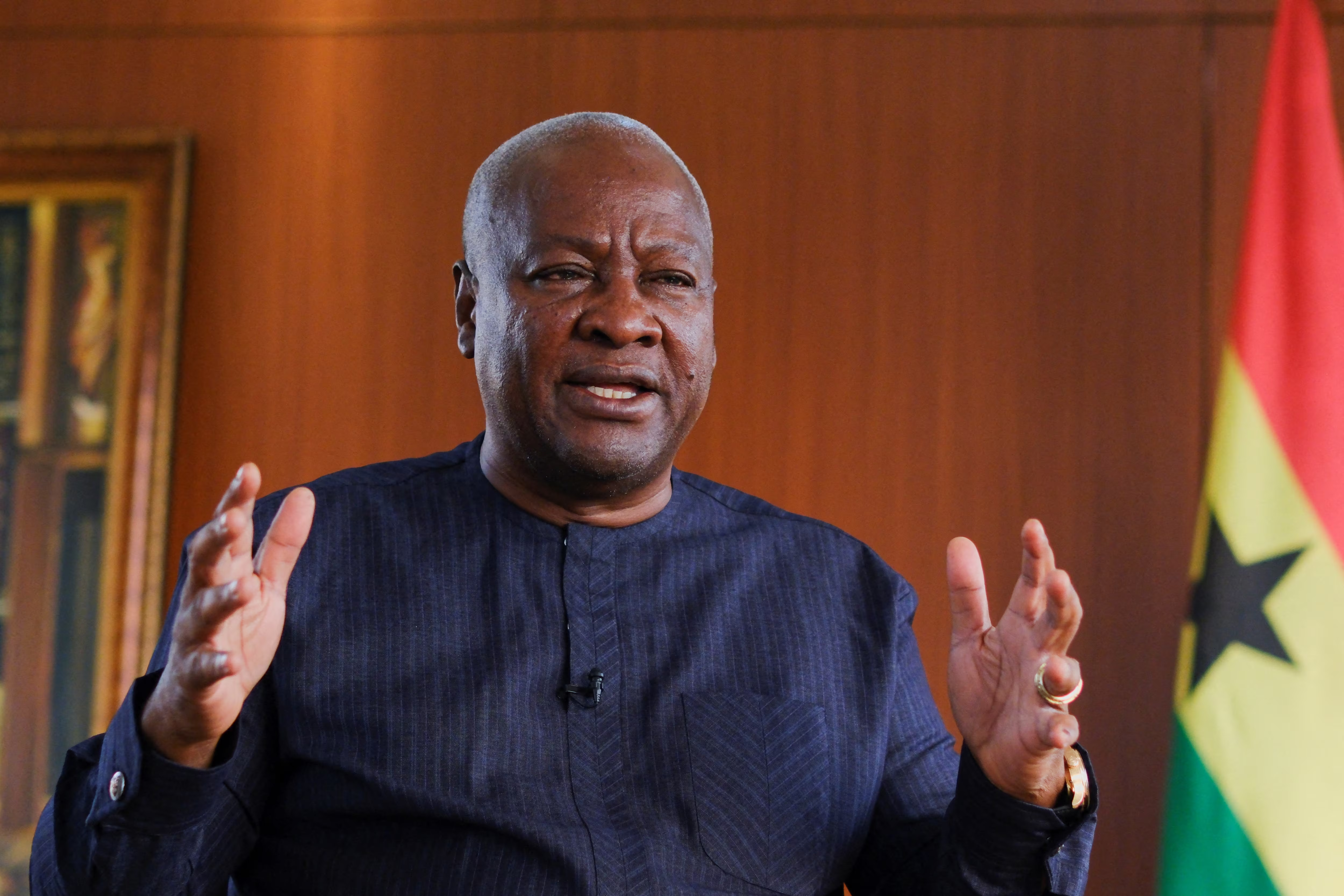






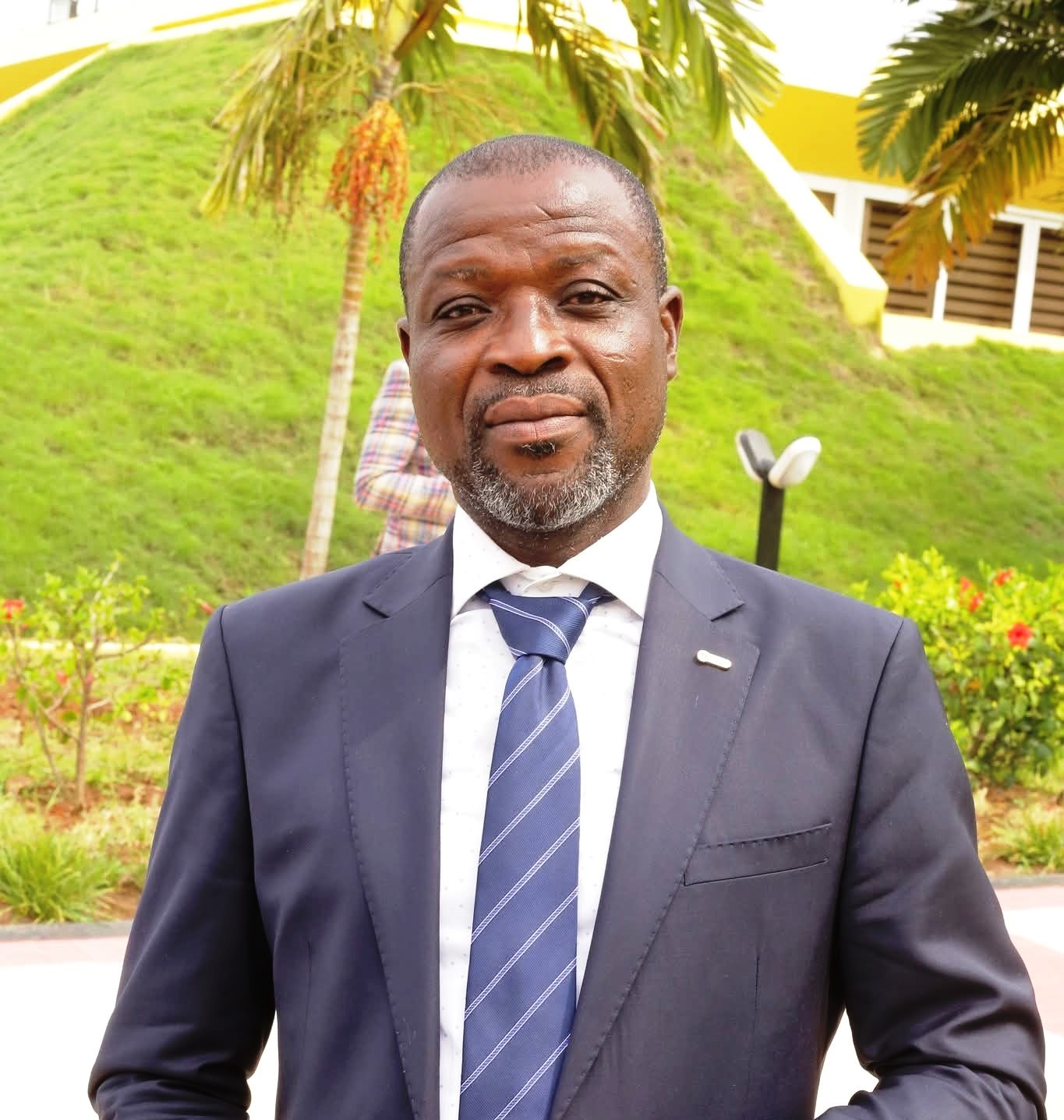
A staffer at the Office of the President, Mahama Haruna, has called on government appointees from the Savannah Region to ensure their positions translate into real opportunities and measurable benefits for people at the grassroots.


In a strongly worded article published on his Facebook page on Monday, February 16, 2026, Haruna acknowledged that President John Dramani Mahama has appointed several individuals from his home region to key positions in government. However, he argued that representation alone is not enough.
“What matters most is whether that representation translates into real access, opportunity, and tangible benefits for the people at the grassroots,” he wrote.
Haruna expressed concern that some Savannah Region and Gonjaland appointees appear “more accessible to outsiders than to our own people,” insisting that such a trend must change.
“Our doors seem open to all, except fellow Gonjas or people from Savannah Region. This must change,” he stated.
He stressed that leadership is not merely about holding titles but about responsibility to one’s roots, warning that if grassroots engagement remains weak, history will judge the appointees—not the President—for failing to turn opportunity into service.
“History will not judge him for extending the opportunity. Rather, it will judge we those he entrusted with responsibility who failed to translate that trust into meaningful service for our own people,” Haruna wrote.
Youth Voices Join the Debate
The article has since sparked intense discussion online, with several commentators echoing his concerns.
Edventur Mrecktive described the piece as a “very courageous write-up,” commending Haruna for raising the issue publicly as an appointee. While he supported the call for greater accessibility, he also urged members of the public to approach officials with preparation and clear objectives.
“These appointees also have a responsibility to perform in their official duties,” he wrote, advising job seekers and others seeking assistance to conduct proper research and present specific, well-defined requests rather than generic appeals.
However, other responses reflected deeper frustration among some youth in the region.
Sulemana Mumuni Watara thanked Haruna for “voicing the frustrations of the youth in Savannah,” revealing that he had previously chosen to remain silent on the matter.
“The very people the youth of Savannah celebrated their appointments are the same people ignoring these youth,” Watara wrote. He lamented that communication often ends once a curriculum vitae is sent, adding that in many cases “the best of attention your message gets from them is a BLUE TICK.”
He questioned what had gone wrong between the youth and those they once considered “our own.”
A Moment for Reflection
The online exchanges highlight broader concerns within the Savannah Region about accessibility, accountability and the real impact of regional representation in government.
Haruna concluded his article by describing the situation as a moment for reflection, reminding fellow appointees that “leadership is service, and service begins with accessibility, fairness, and commitment to the community.”
As the debate gains traction on social media, attention is likely to focus on whether the concerns raised will translate into improved engagement between government appointees and their home constituencies.
Source: www.kumasimail.com