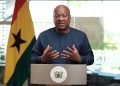
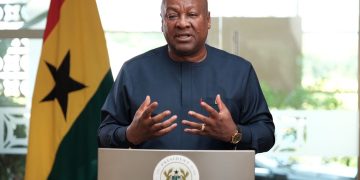
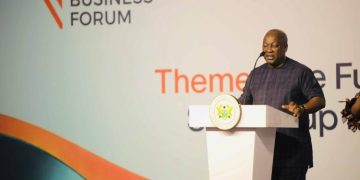


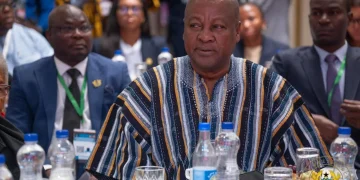








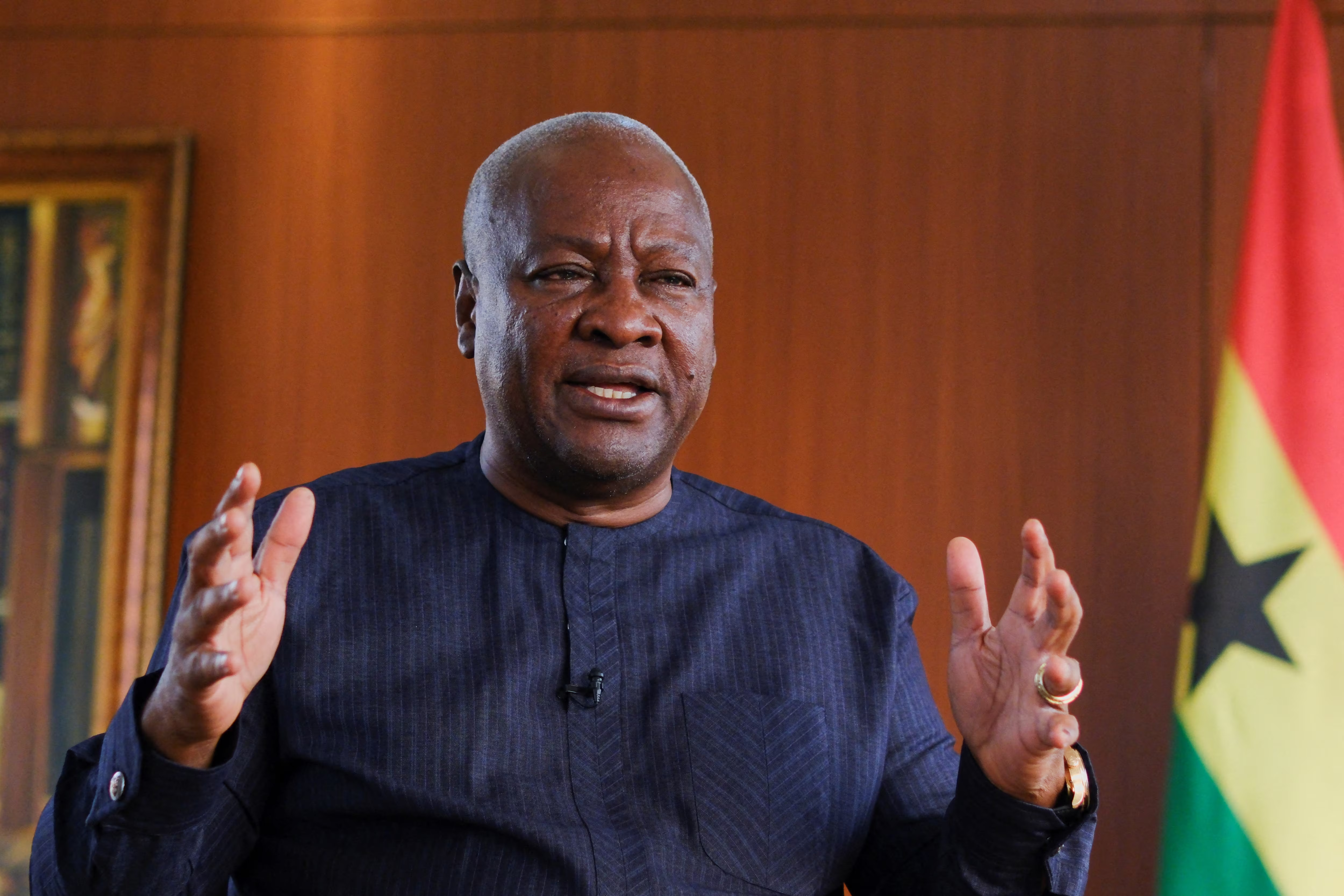

President John Dramani Mahama is expected to provide updates on a raft of economic and social policy commitments when he delivers his second State of the Nation Address of his current term on 27 February 2026.


The address comes a year after he told Parliament that his administration had inherited deep economic challenges, including high inflation, a depreciating cedi and rising public debt. At the time, he pledged to restore macroeconomic stability and implement reforms across critical sectors of the economy.
With inflation easing and efforts underway to stabilise the currency, attention is now turning to the progress made on a number of flagship initiatives announced in 2025.
Energy sector reforms
In the energy sector, the president is expected to outline steps taken to clear legacy debts and improve revenue collection.
Plans announced last year included the creation of a single collection account to reduce system losses, efforts to attract upstream petroleum investment, and the establishment of a renewable energy and green transition fund.
Observers will be looking for concrete timelines and financing details, particularly as Ghana continues to balance fiscal consolidation with energy sector sustainability.
Agriculture and food security
Reducing food imports and supporting youth participation in agriculture were key pillars of the government’s agenda.
The administration pledged to cut a reported $300m annual poultry import bill through the “Nkoko Nkitinkiti” programme. It also launched the “AgriNext” initiative, aimed at providing land access to about 30,000 young people.
Updates are also expected on the development of farmer service centres intended to offer mechanisation, extension services and input support.
Education and health commitments
In education, the government committed to integrating information and communication technology into 300 early childhood classrooms and establishing 30 ICT Centres of Excellence.
Other pledges included the introduction of a sign language curriculum from kindergarten to senior high school, a teachers’ housing scheme and a 20% allowance for rural teachers.
In the health sector, the administration proposed using public-private partnerships and franchising models to complete facilities under the Agenda 111 hospital project.
Governance and anti-corruption
On governance, the president promised to pursue accountability in high-profile investigations, including alleged irregularities within the National Service Scheme and other probes under the Operation Recover All Loot (ORAL) initiative.
His upcoming address is expected to detail progress on prosecutions and institutional reforms aimed at strengthening transparency.
Employment and social inclusion
Job creation remains central to the government’s agenda. The “Adwumawura” programme was introduced to support 2,000 businesses, while a hire-purchase scheme for electric motorbikes was proposed to assist commercial motorbike riders.
The government also pledged to ensure that at least 5% of jobs in the public and private sectors are reserved for persons with disabilities.
Infrastructure and housing
Major infrastructure projects expected to feature in the address include the Nsawam-Ofankor road, the Trans-ECOWAS Highway and the proposed Accra-Kumasi expressway.
The president is also likely to provide updates on the reintroduction of road tolls using electronic systems, the stalled Saglemi affordable housing project and plans for district housing schemes.
As Ghanaians await the address, analysts say the focus will not only be on new announcements but also on measurable progress against last year’s promises, particularly in the context of ongoing economic recovery efforts.
Source: www.kumasimail.com