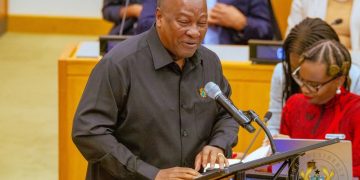












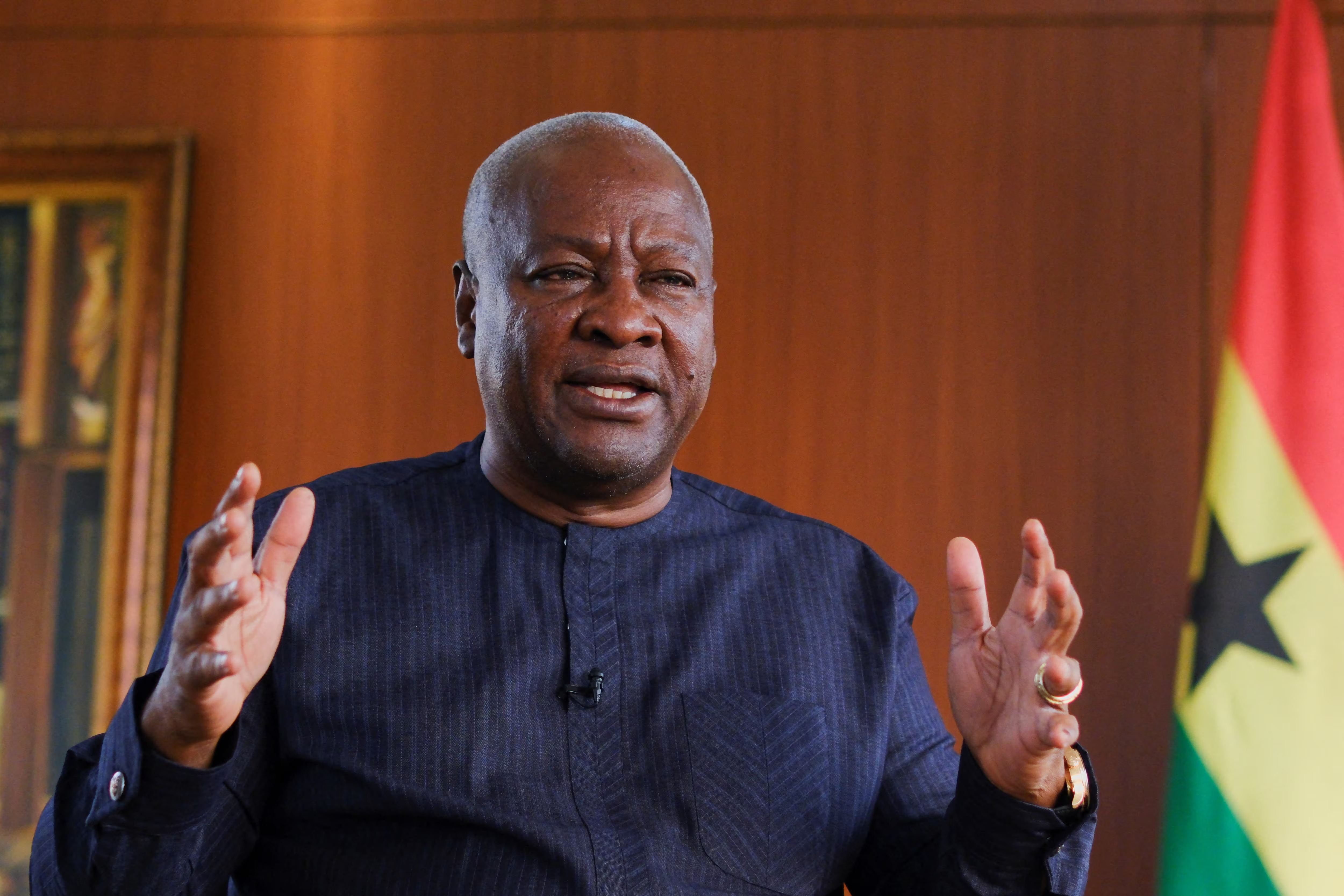


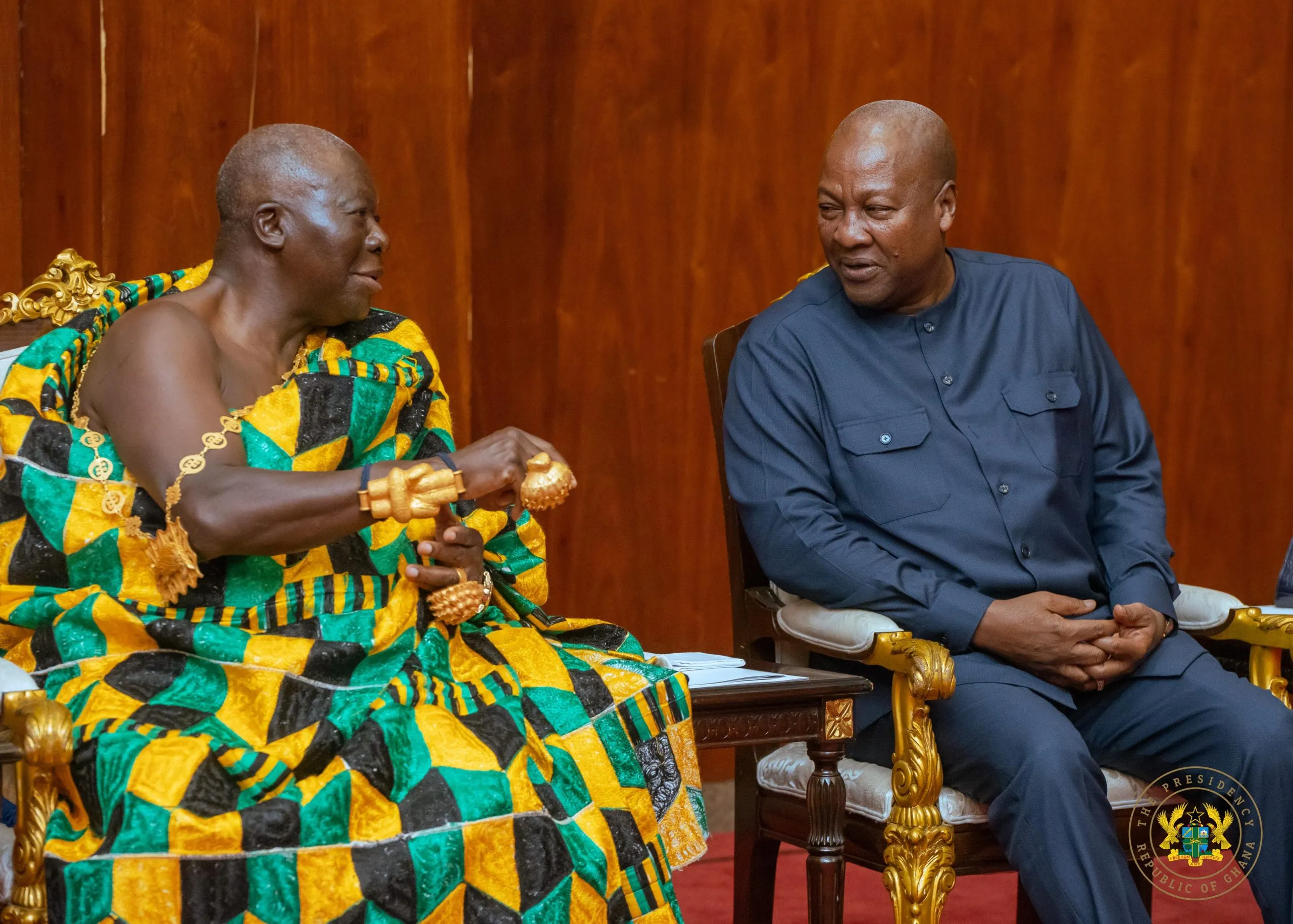
President John Dramani Mahama will on Thursday, December 16, 2025, officially receive the Bawku Mediation Report at a ceremony at the Jubilee House in Accra.


The presentation marks a significant step in national efforts to restore lasting peace and stability in Bawku and its surrounding communities.
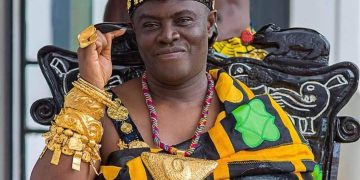
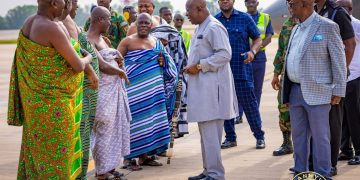
The report is the culmination of months of mediation led by the Asantehene, Otumfuo Osei Tutu II, who was appointed by President Mahama earlier this year to spearhead a comprehensive peace initiative aimed at resolving the protracted conflict in Bawku.
The initiative sought to build consensus, promote reconciliation, and create a framework for sustainable coexistence between factions involved in the long-running dispute.
The ceremony, scheduled for 10:00 a.m., will bring together senior government officials, traditional rulers, members of the mediation committee, and key dignitaries.
Institutions invited to the event include the National Peace Council, the Christian Council, the Office of the National Chief Imam, the Catholic Secretariat, UNDP, the British High Commission, and regional authorities from the Upper East and North East regions.
Representatives from the Upper East Regional House of Chiefs and National Security are also expected to attend.
Background to the Mediation Process
The Bawku conflict, rooted primarily in chieftaincy disagreements and ethnic tensions between the Kusasi and Mamprusi groups, has spanned several decades, with periodic escalations resulting in loss of lives, displacement and disruptions to economic and social activities. Various governments, peacebuilding institutions and traditional authorities have attempted interventions over the years with mixed results.
In early 2024, rising tensions prompted the government to initiate a new peace architecture, appointing the Asantehene as lead mediator.
The decision was widely welcomed by stakeholders, given Otumfuo’s track record in facilitating dialogue and resolving high-profile national disputes, including chieftaincy conflicts and political tensions.
People and Groups That Have Appeared Before the Committee
The mediation committee held extensive hearings in Kumasi , meeting with a wide range of stakeholders. Those who appeared before the committee include:
Traditional Authorities
Representatives of the Kusasi Traditional Area, including leaders aligned with the Zugraan (Paramount Chief of the Kusasi).
Representatives of the Mamprusi Traditional Area, including elders and emissaries of the Nayiri (King of Mamprugu).
These groups presented historical accounts, legal arguments, and proposals on chieftaincy recognition, territorial claims and pathways to coexistence.
Security Agencies
Officials from the Ghana Armed Forces, Ghana Police Service, and National Security briefed the committee on the security situation, intelligence assessments, arms proliferation, and challenges in enforcing peace in the area.
Political and Administrative Leaders
The Upper East Regional Minister, North East Regional Minister, and Municipal and District Chief Executives from the conflict zone provided updates on administrative difficulties, humanitarian concerns, and governance constraints.
Former and current Members of Parliament from the area also presented viewpoints on political dynamics influencing the conflict.
Religious and Peacebuilding Bodies
Representatives from National Peace Council, Christian Council of Ghana, Office of the National Chief Imam, Catholic Diocese of Navrongo-Bolgatanga.
These groups shared experiences from their peace outreach efforts and offered recommendations on community reconciliation.
Civil Society and Development Partners
NGOs working on peacebuilding and social cohesion in the Upper East Region and International partners such as UNDP and UNHCR, who have supported conflict-affected communities
These organizations provided data on displacement, livelihoods, humanitarian needs and the socio-economic impact of the conflict.
Youth and Women’s Groups
Youth associations, women leaders and market associations from Bawku also appeared before the committee, emphasizing the economic disruptions caused by the conflict, the need for livelihood support and the importance of restoring normalcy in education, farming and trading.
Next Steps
The submission of the report is expected to pave the way for government-led implementation of the committee’s recommendations. While details of the report remain confidential until officially presented, officials familiar with the process say it includes proposals on security restructuring, community reconciliation frameworks, traditional leadership roles, cross-border collaboration, and long-term development interventions.
President Mahama is expected to outline the government’s next steps after receiving the report, signaling what many hope will be a turning point in efforts to secure durable peace in Bawku.
Source: www.kumasimail.com