








































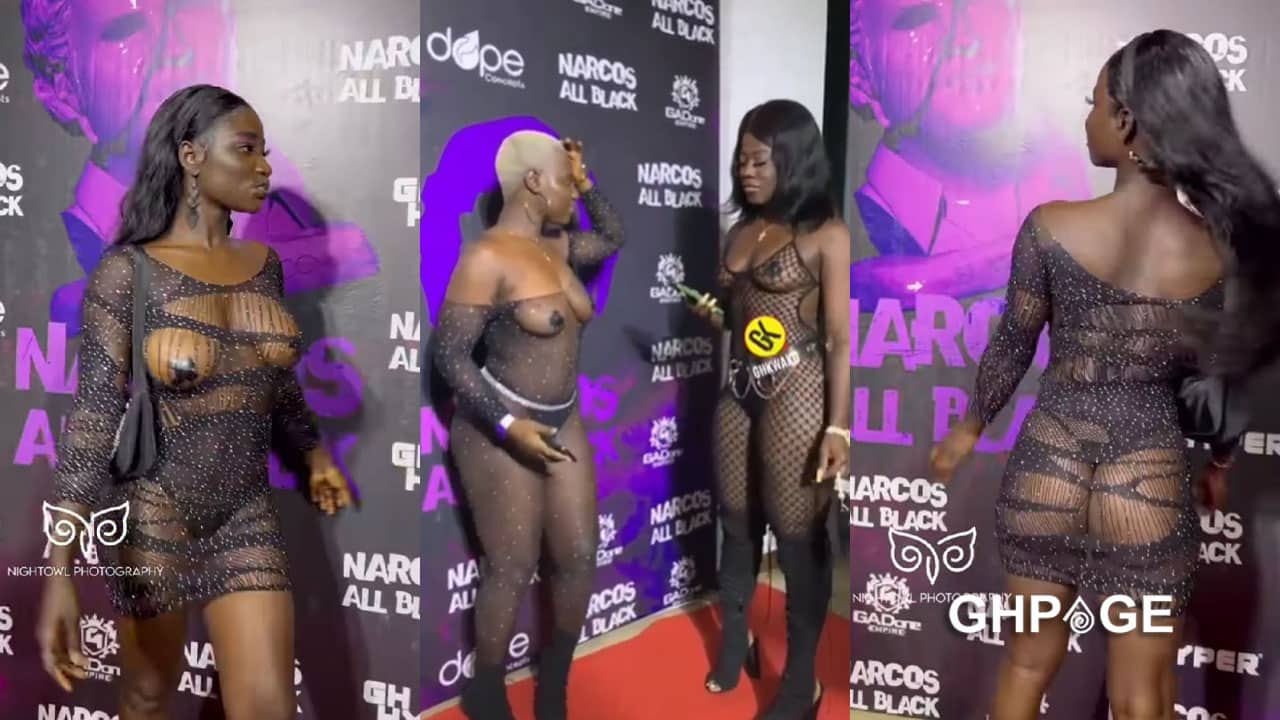
As fashion continues to evolve in Ghana, concerns are growing over the increasing normalization of nudity among women, particularly on social media and at social events.


What was once considered private or inappropriate has gradually become part of mainstream fashion, raising questions about societal values, cultural identity, and the influence of celebrity culture.
In recent years, clothing trends have shifted towards more revealing designs see-through dresses, plunging necklines, backless outfits and tightly fitted ensembles that accentuate the body.
For many Ghanaian women, especially socialites and entertainers, bold dressing has become synonymous with confidence, self-expression, and online validation.

But analysts say the shift signals more than just changing tastes. Not too long ago, fashion among Nigerian women was associated with elegance, decency, moderation and grace.
Outfits were chosen to complement beauty while preserving cultural notions of dignity. Today, the trend appears to equate style with the exposure of more skin, leaving some to wonder whether society has lost its moral compass.
At weddings, cultural events and family celebrations, it is now common to find women dressed in outfits considered inappropriate by traditional standards, even in the presence of elders and children.
The evolution has sparked debate: What exactly counts as a private part? What constitutes indecent dressing? And how did society arrive at this point?
Observers identify social media as a major driver. Influencers and celebrities often promote daring outfits to their millions of followers, shaping trends that many young people imitate.
What begins as a personal fashion choice can easily become a public standard one that may send unintended messages to impressionable audiences.
Beyond Fashion: Social Implications and Shifting Values
Experts warn that dressing carries social meaning, influencing how individuals especially women are perceived and treated.
While women frequently speak out against harassment, objectification and disrespect, some analysts argue that public presentation plays a role though they emphasize that no form of misconduct is ever justified.
Fashion curator Bolu Aina believes modesty still exists among Ghanaian youth, but its visibility is diminishing. “The fact that the current woke generation considers decorum unfashionable does not mean modesty is a relic of the past,” he said. “Upbringing and personal values still matter.”
He argues that the broader issue is not fashion itself but the erosion of societal value systems. Modesty, he noted, varies across communities and social circles, and exposure to certain environments shapes what individuals view as acceptable.
For counselor Tolu Agabi, feminism and the push for individuality have also contributed to the shift. He expressed concern that the fear of being labeled judgmental, a “hater,” or a body-shamer has silenced conversations around moderation. “Everyone wants freedom without boundaries,” he said. “It has contributed to moral degeneration. People dress shabbily and call it ‘being in sync with oneself.’”
Public commentator Olu Amoo attributes the trend to Western influence, declining values and the entertainment industry’s glamourization of sensuality, particularly in music videos. He believes the desire for attention and social media recognition has driven many to embrace revealing outfits, often at the expense of cultural integrity.
A Passing Trend or Cultural Shift?
Despite the widespread adoption of revealing fashion, analysts insist that trends are transient and should not be allowed to erode deeply held cultural values. They argue that nudity is not a prerequisite for beauty, sophistication or confidence.
“Nudity isn’t fashion,” Amoo said. “A woman can be stylish, attractive and confident without baring her body. True beauty goes beyond physical exposure—it lies in character, intelligence and how one carries oneself.”
As Nigeria navigates the complexities of modernity, cultural preservation and self-expression, the debate over fashion and nudity continues—reflecting broader questions about identity, morality and the influence of a rapidly changing global environment.
Source: www.kumasimail.com