






























A deeply emotional tribute delivered by Priscilla Ofori Atta, one of the widows of the late highlife icon Daddy Lumba, became a defining moment of the musician’s funeral rites, drawing both sympathy and criticism from mourners and cultural observers.


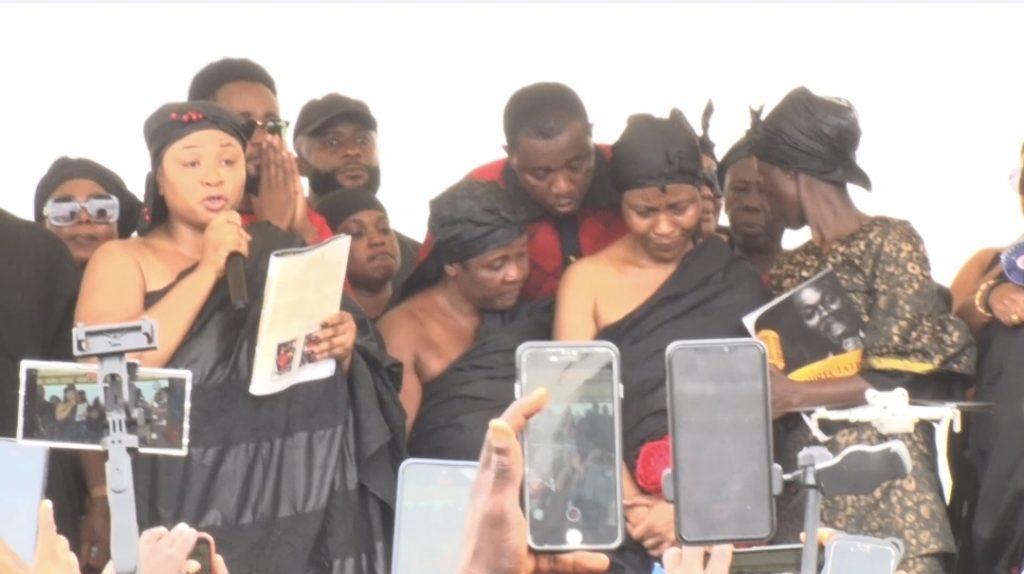
Reading her tribute during the funeral, Priscilla Ofori Atta, popularly known as Odo Broni, described the late musician as her “king,” “protector,” and “chosen resting place,” framing their relationship as one rooted in dignity, love, and mutual respect.
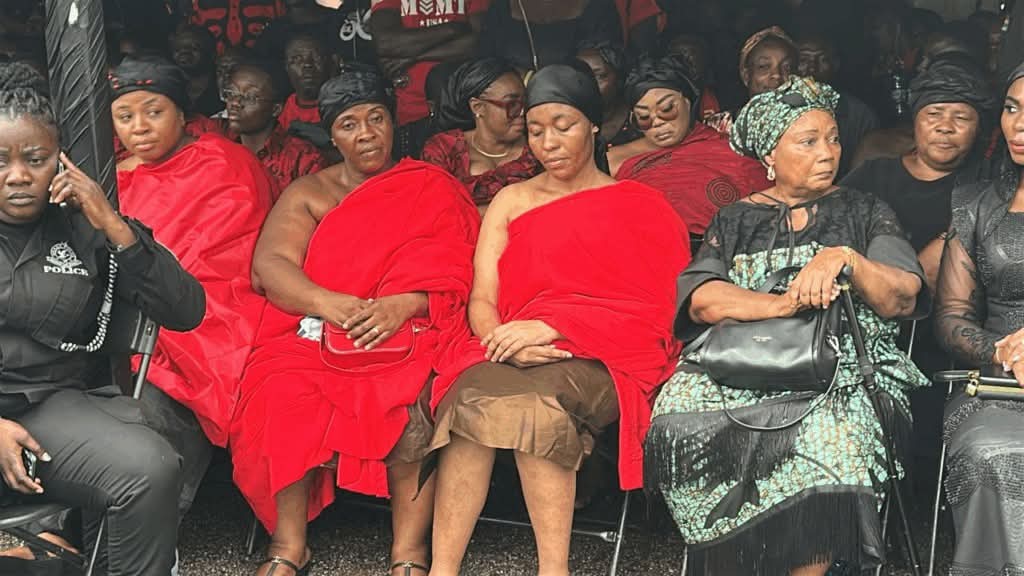
Her address leaned heavily on poetic imagery, invoking justice, truth, and spiritual continuity as shields against what she described as falsehood and malice.
“If your spirit still walks among us, then let the truth itself rise as our vengeance,” she said, adding that the love they shared would “consume falsehood” and outlive “every lie.”
A Personal Lament in a Public Space
The tribute stood out for its intensely personal tone, focusing less on Daddy Lumba’s musical legacy and more on the widow’s defense of her place in his life.
She portrayed herself as a target of cruelty and verbal attacks, insisting that no criticism could erase what she described as the truth of their bond.
While many sympathizers viewed the message as the heartfelt lament of a grieving widow, others felt it introduced an element of confrontation into what is traditionally expected to be a solemn, unifying ceremony.
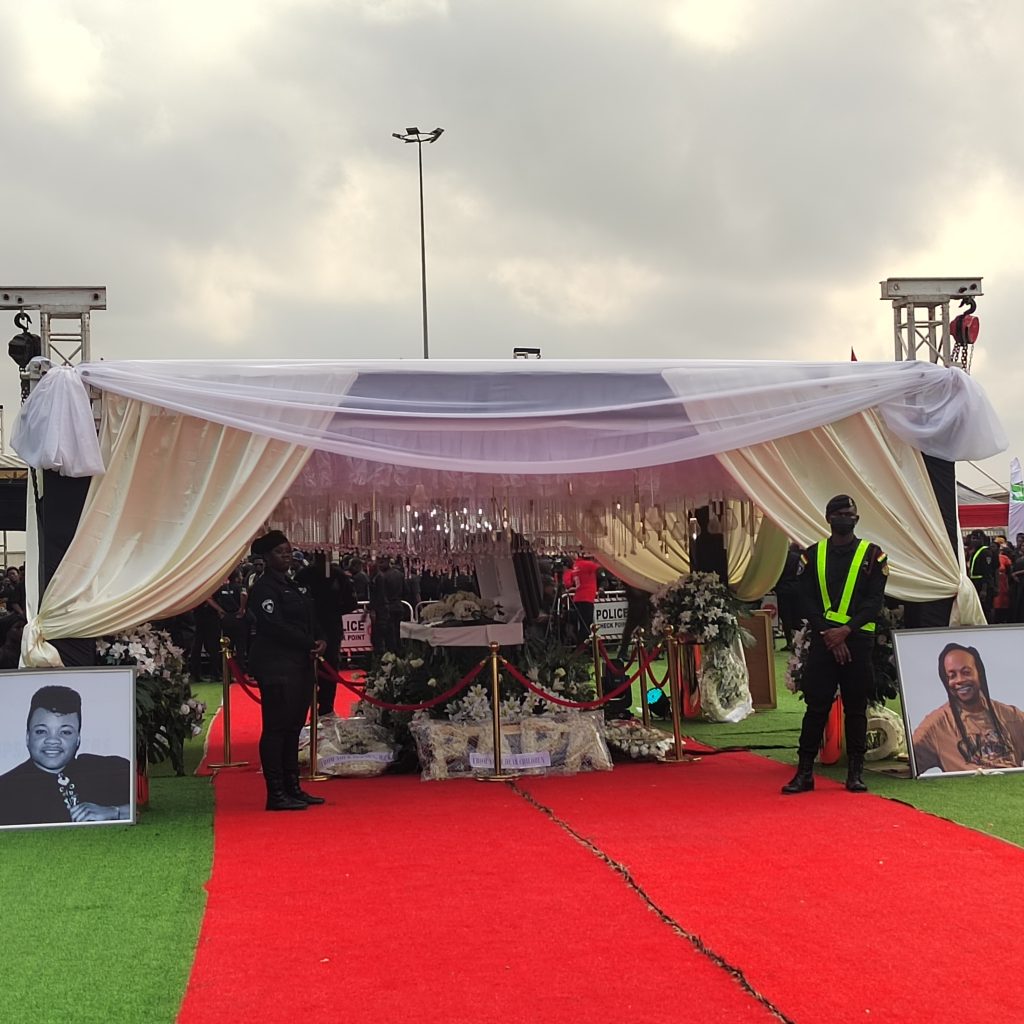
Cultural and Ceremonial Concerns
Cultural commentators and some attendees questioned the appropriateness of the language and posture adopted in the tribute.
In Akan funeral tradition, widows are generally expected to project restraint, humility, and collective mourning rather than personal vindication.
Critics argue that the tribute blurred the line between mourning and self-defense, subtly transforming the funeral platform into a response to ongoing disputes surrounding the late musician’s family life.
By repeatedly referencing “lies,” “venom,” and unnamed attackers, the tribute was seen by some as reinforcing existing tensions rather than fostering reconciliation at a time when unity is culturally encouraged.
Literary Strength, Contextual Weakness
From a literary standpoint, the tribute was powerful, evocative, and carefully constructed.
Its metaphors of kingship, roaring lions, and eternal truth—were consistent and emotionally resonant.
However, critics argue that its dramatic intensity may have overshadowed the broader purpose of the occasion: honoring Daddy Lumba’s life, artistry, and national impact.
Some observers noted that the focus on personal validation risked diverting attention from the late musician’s immense contribution to Ghanaian music and culture, which many expected to be the central theme of tributes at the funeral.
A Reflection of Deeper Divisions
Ultimately, the tribute highlighted the deeper fractures that have surrounded Daddy Lumba’s final rites, including reported family disagreements and public controversy.
Rather than serving solely as a farewell, the moment underscored how unresolved tensions followed the music legend even in death.
As the funeral rites continued, reactions to the tribute remained divided seen by supporters as a courageous affirmation of love, and by critics as an emotionally charged departure from cultural and ceremonial expectations.
Watch and listen to the tribute…
Source :www.kumasimail.com