


























The Minority in Parliament is calling for the immediate removal of the one Ghana cedi levy on petroleum products, popularly known as the “dumsor levy,” to cushion consumers against rising fuel prices driven by global tensions in the Middle East.


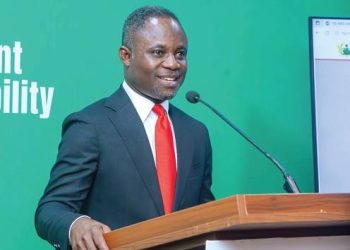
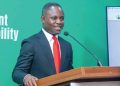
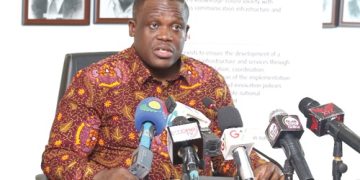
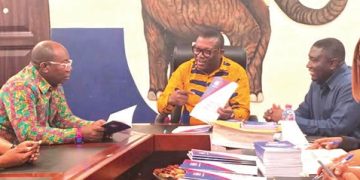
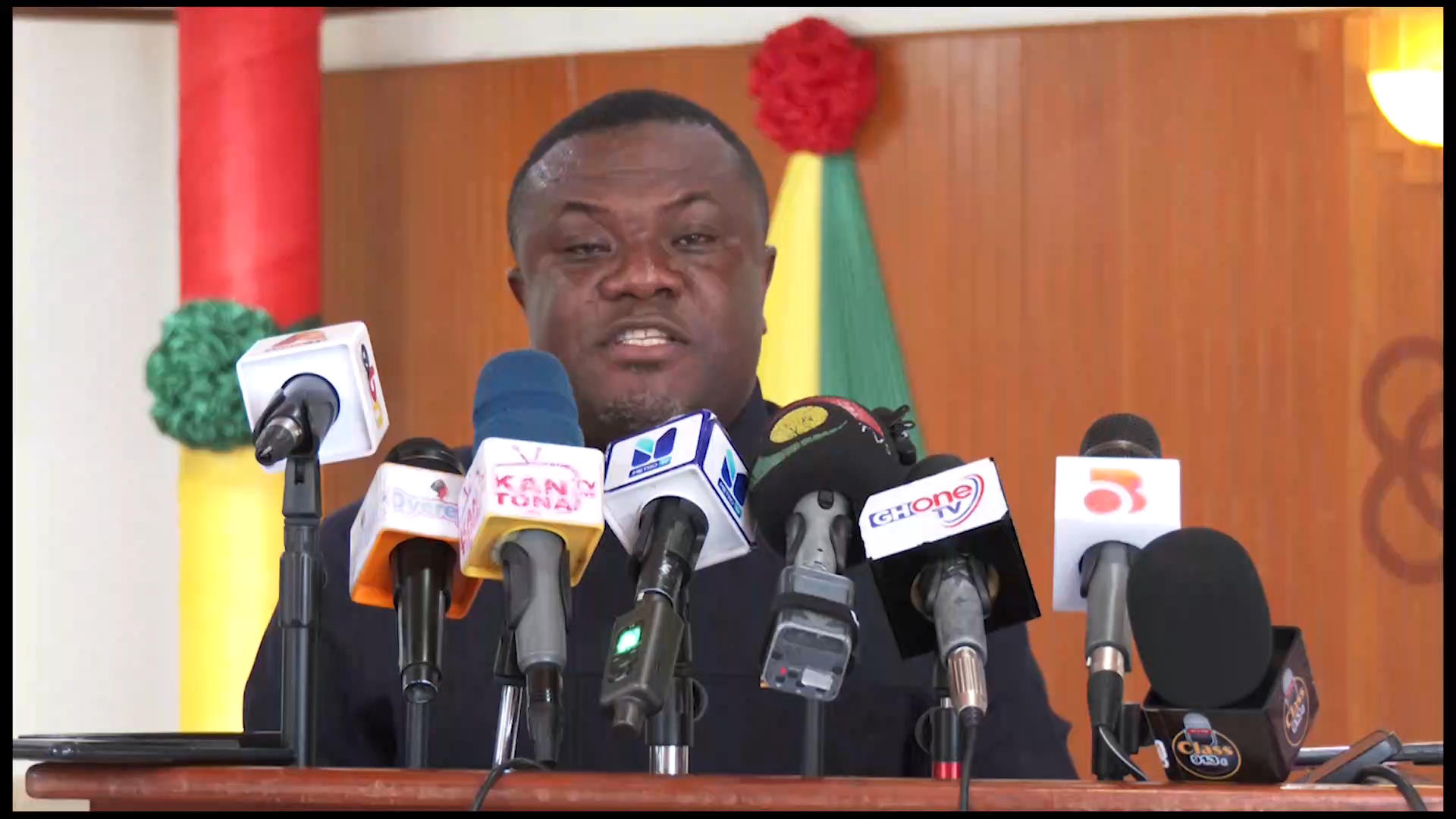
Addressing the media in Parliament, Deputy Ranking Member on the Energy Committee, Collins Adomako Mensah, argued that the levy has outlived its purpose and should be scrapped under a certificate of urgency.
He cited projections by the Chamber of Oil Marketing Companies indicating that petrol prices could increase by up to 16.92 percent and diesel by 17.2 percent in the March 2026 pricing window, largely due to a surge in crude oil prices from about $71 to nearly $100 per barrel amid ongoing conflict involving the United States, Israel, and Iran.
According to him, current fuel prices have already risen significantly, with diesel selling at about GH¢15.60 per litre and petrol exceeding GH¢12.40 per litre. He noted that the Energy Sector Levies (Amendment) Act, 2025, added approximately GH¢1 to the price of fuel, bringing the total levy component to nearly GH¢1.95 per litre for petrol.
“If the cedi is no longer shielding consumers from the impact of the levy, then the justification for the one cedi dumsor levy has completely evaporated. Keeping it is not policy; it is punishment,” he stated.
The Minority is also demanding a comprehensive review of all taxes and levies embedded in the fuel price structure.
On the issue of prepaid electricity credit depletion, Mr. Adomako Mensah criticized delays in the release of an investigative report into the matter, noting that a seven-day deadline issued by the Energy Minister expired on March 4, 2026, without any public update.
He said consumers continue to experience unexplained credit losses, despite earlier assurances that they would not bear the cost of metering errors. He referenced findings by the Public Utilities Regulatory Commission’s Executive Secretary, Dr. Shafiq Suleiman, who identified technical challenges including faulty meter connectivity and outdated hardware.
The Minority is demanding that the Energy Minister immediately publish the findings of the investigation, including the number of affected meters, extent of overbilling, and corrective measures taken. It also called on the Public Utilities Regulatory Commission to disclose actions taken following its emergency meeting on February 26.
Additionally, the Minority has rejected the recently announced utility tariff reductions by the Public Utilities Regulatory Commission, describing them as inadequate.
The Commission announced a 4.81 percent reduction in electricity tariffs and a 3.06 percent reduction in water tariffs, effective April 1, 2026. However, the Minority argues that the reduction does not reflect prevailing economic conditions.
“A 4.81 percent reduction against a cumulative increase of over 20 percent is not relief,” Mr. Adomako Mensah said, calling for a more substantial reduction of at least 10 percent in the third quarter of 2026.
He further argued that the current tariff adjustments demonstrate that Ghana’s programme with the International Monetary Fund does not prevent downward price reviews, contrary to previous claims.
The Minority insists that urgent measures are needed to ease the financial burden on Ghanaians and has pledged to pursue the necessary parliamentary processes to ensure their demands are met.
Source: www.kumasimail.com