
















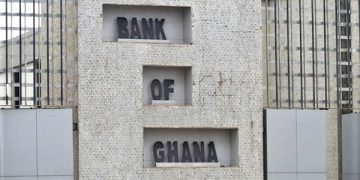






















The Bank of Ghana has reduced its benchmark policy rate by 150 basis points to 14 percent, citing continued disinflation and improving macroeconomic conditions.


According to highlights from the 129th Monetary Policy Committee (MPC) meeting, headline inflation declined sharply to 3.3 percent in February 2026, down from 5.4 percent recorded in December 2025. The central bank attributed the drop to easing food and non-food price pressures.
Provisional data from the Ghana Statistical Service showed that Ghana’s economy expanded by 6.0 percent in 2025, slightly higher than the 5.8 percent growth recorded in 2024.
The central bank noted that high-frequency indicators point to sustained improvement in real sector activity, signaling continued economic recovery.
Global Risks Persist
Despite the positive domestic outlook, the MPC warned of rising global uncertainties, largely driven by ongoing tensions in the Middle East. The conflict has disrupted supply chains, increased crude oil price volatility, and raised concerns about global financial stability.
While global inflation has generally trended downward, the recent surge in oil prices could reverse these gains and prompt central banks worldwide to reconsider their policy stance.
Lending Rates Decline, Credit Picks Up
In the domestic financial sector, average bank lending rates dropped significantly to 19.2 percent in February 2026, compared to 30.1 percent in the same period last year. This decline has supported a gradual increase in private sector credit.
The banking sector also showed improved performance, with total assets rising on the back of increased deposits, domestic borrowing, and stronger shareholder funds.
Fiscal Constraints and Reserve Gains
The MPC report indicated that government spending remained constrained throughout 2025 due to revenue shortfalls and strict expenditure controls.
However, Ghana’s external position strengthened, with Gross International Reserves rising to $14.5 billion by the end of February 2026—equivalent to 5.8 months of import cover—up from $13.8 billion at the end of December 2025.
Cedi Stability and Outlook
The Ghana cedi remained relatively stable during the review period, reflecting improved macroeconomic fundamentals and external buffers.
The Bank of Ghana’s next MPC meeting is scheduled for May 18–20, 2026, where policymakers are expected to reassess economic conditions and determine the appropriate monetary policy stance.
Source: www.kumasimail.com