









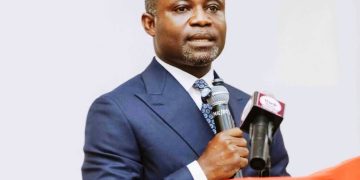

























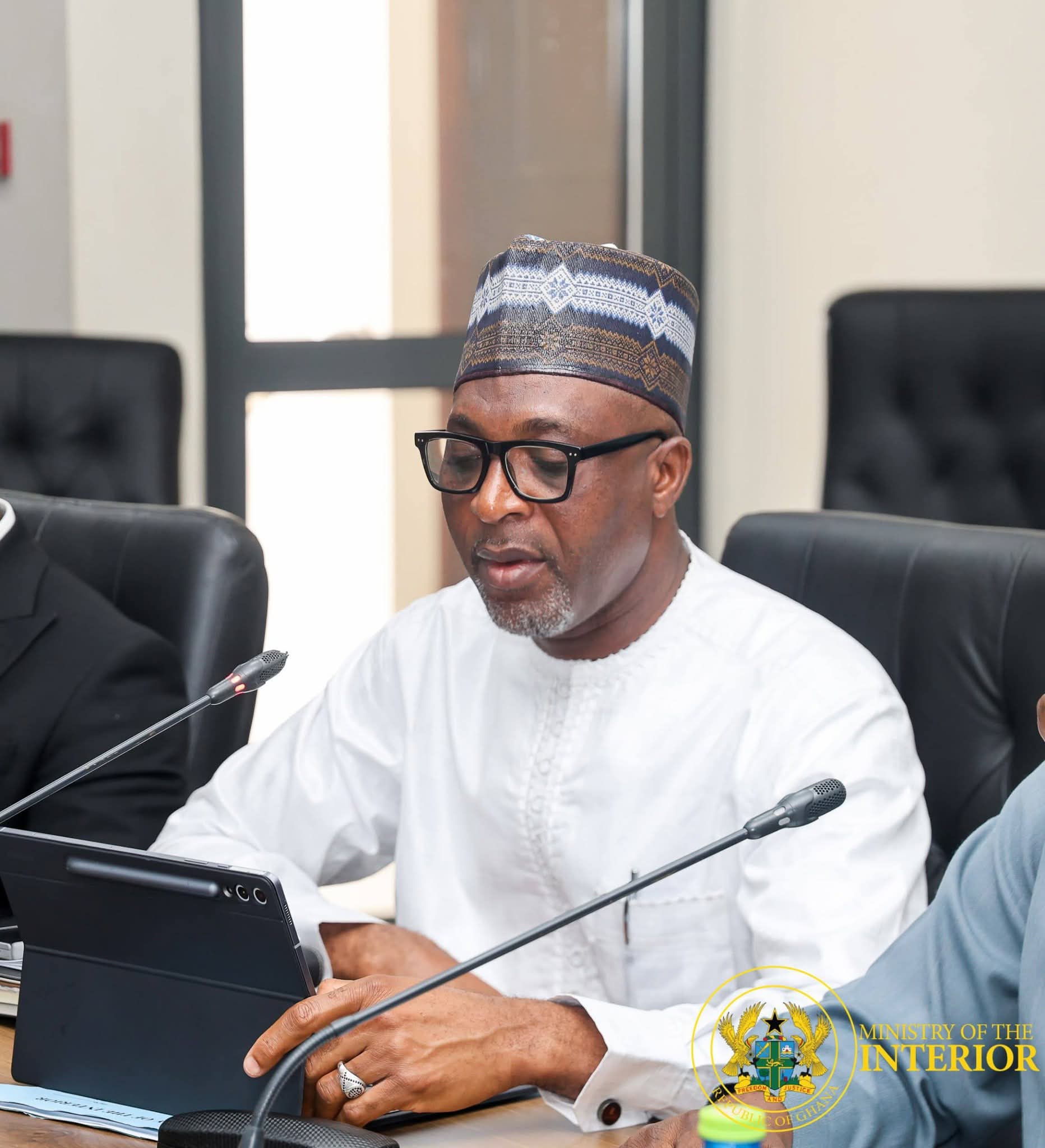
The Minister for the Interior, Muntaka Mohammed Mubarak, has reiterated government’s commitment to reforming Ghana’s criminal justice system through the introduction of a Community Service Bill aimed at reducing prison overcrowding and promoting rehabilitation.


Speaking after a meeting with the Parliamentary Select Committee on Defence and Interior in Accra, the minister described the proposed legislation as a “bold and progressive step” toward addressing systemic challenges within the justice sector.
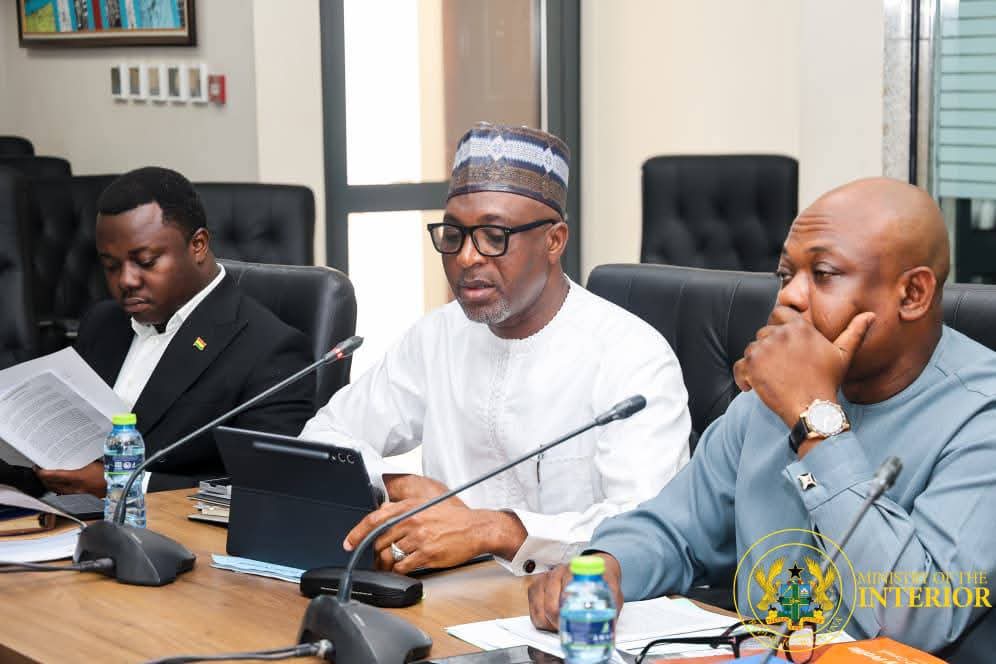
According to him, the bill seeks to introduce community service as an alternative to custodial sentences for minor offences, particularly those punishable by three years’ imprisonment or less.
Offenders, he explained, would be required to undertake structured community service for between four and eight hours daily over a period not exceeding six months.
Mr. Mubarak noted that Ghana’s prisons are currently operating approximately 35 percent above capacity, making the proposed intervention both timely and necessary.
He emphasized that the bill offers a more humane and cost-effective approach to justice delivery while easing pressure on correctional facilities.
Structured around seven thematic areas and comprising 66 sections, the bill provides a comprehensive framework for implementation, with a strong focus on rehabilitation and reintegration rather than punishment.
Chairman of the Committee, James Agalga, commended the initiative and expressed confidence in its potential to address longstanding issues within the prison system.
He noted that the concept of community service has evolved significantly and would strengthen justice delivery if successfully implemented.
The minister further stressed that the bill, once passed, is expected to enhance community participation in the justice process and contribute to a more sustainable and effective system for handling minor offences.
The proposed legislation forms part of broader government efforts to modernize Ghana’s criminal justice system and align it with international best practices, with a renewed emphasis on rehabilitation and social reintegration.
Source :www.kumasimail.com