

















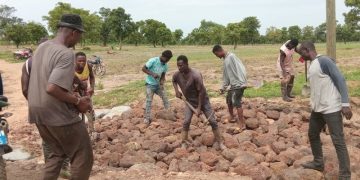












In Zini, a border community in Ghana’s Upper West Region, a shared vision of co-existence between residents and refugees captured in the phrase “it will be well” is shaping daily life, even as mounting social and environmental pressures test the community’s resilience.


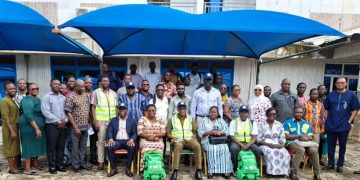
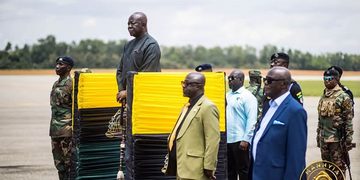
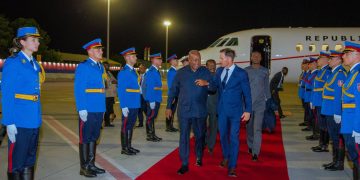
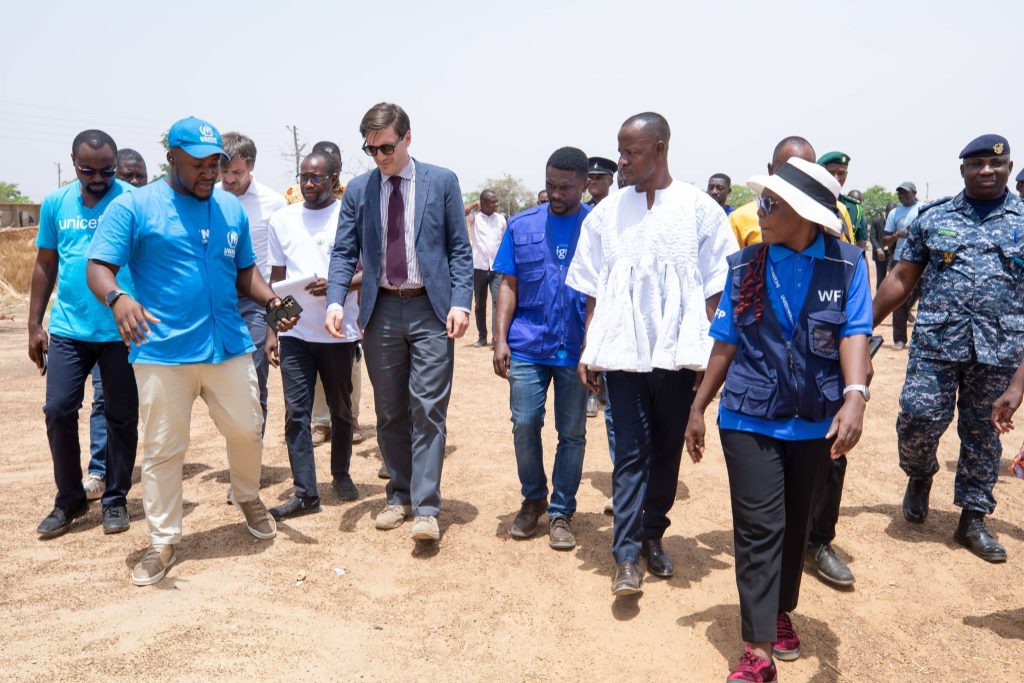
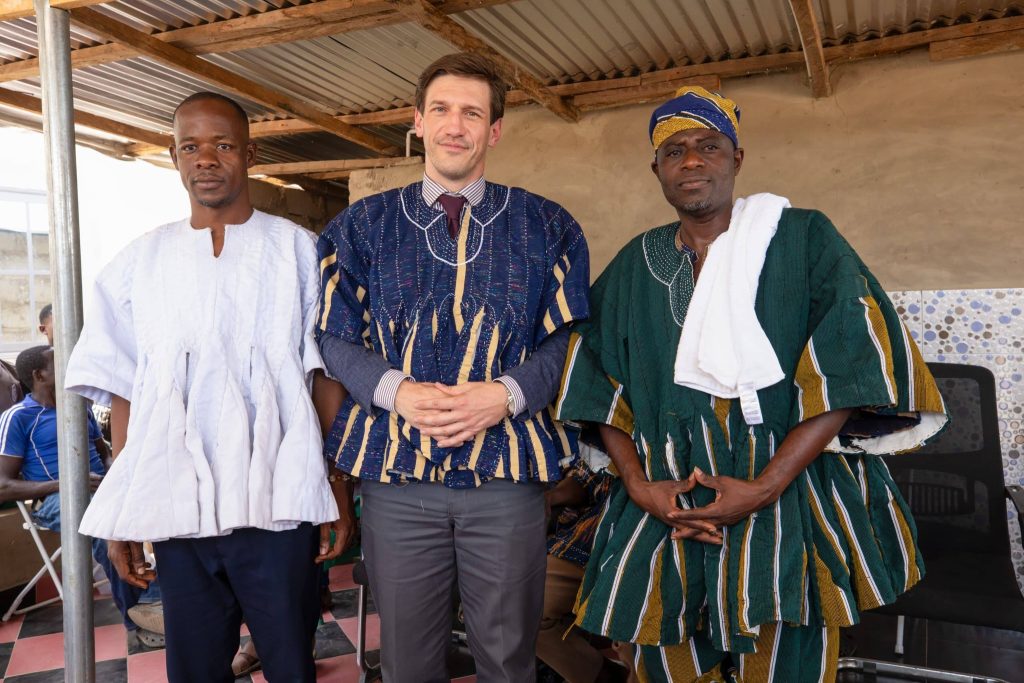
During a working visit to northern Ghana, the German’s Ambassador Frederik Landshoeft visited Zini in the Sissala West District to observe how this vision is being implemented through collaboration between the host community, refugee representatives, and international partners.
The visit underscored Zini’s commitment to social cohesion, with refugees and displaced persons actively integrated into community life. Local leaders and residents have adopted deliberate measures to reduce stigma and foster a shared sense of identity.
Despite these efforts, both refugees and host community members face significant challenges. Prolonged droughts linked to climate change have intensified pressure on livelihoods, compounding existing economic and social strains.
Kuoro Abu Diaka Sukabe Ninia V, Paramount Chief of the Zini Traditional Area, acknowledged the community’s dedication to welcoming those fleeing violence, while also highlighting the burden this places on local resources. He emphasized the need for sustained cooperation and continued support to manage these pressures effectively.
Community-led conflict resolution platforms—bringing together host and refugee populations—are already playing a key role in addressing shared concerns and preventing tensions from escalating.
Stakeholders say such grassroots peacebuilding initiatives are critical in a subregion often affected by instability. However, they stress that long-term stability must be matched with economic opportunities.
Key priorities identified include sustainable livelihoods for women, job creation for youth, agricultural support across value chains, and expanded infrastructure and educational facilities to meet the needs of a growing population.
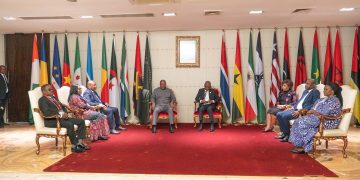
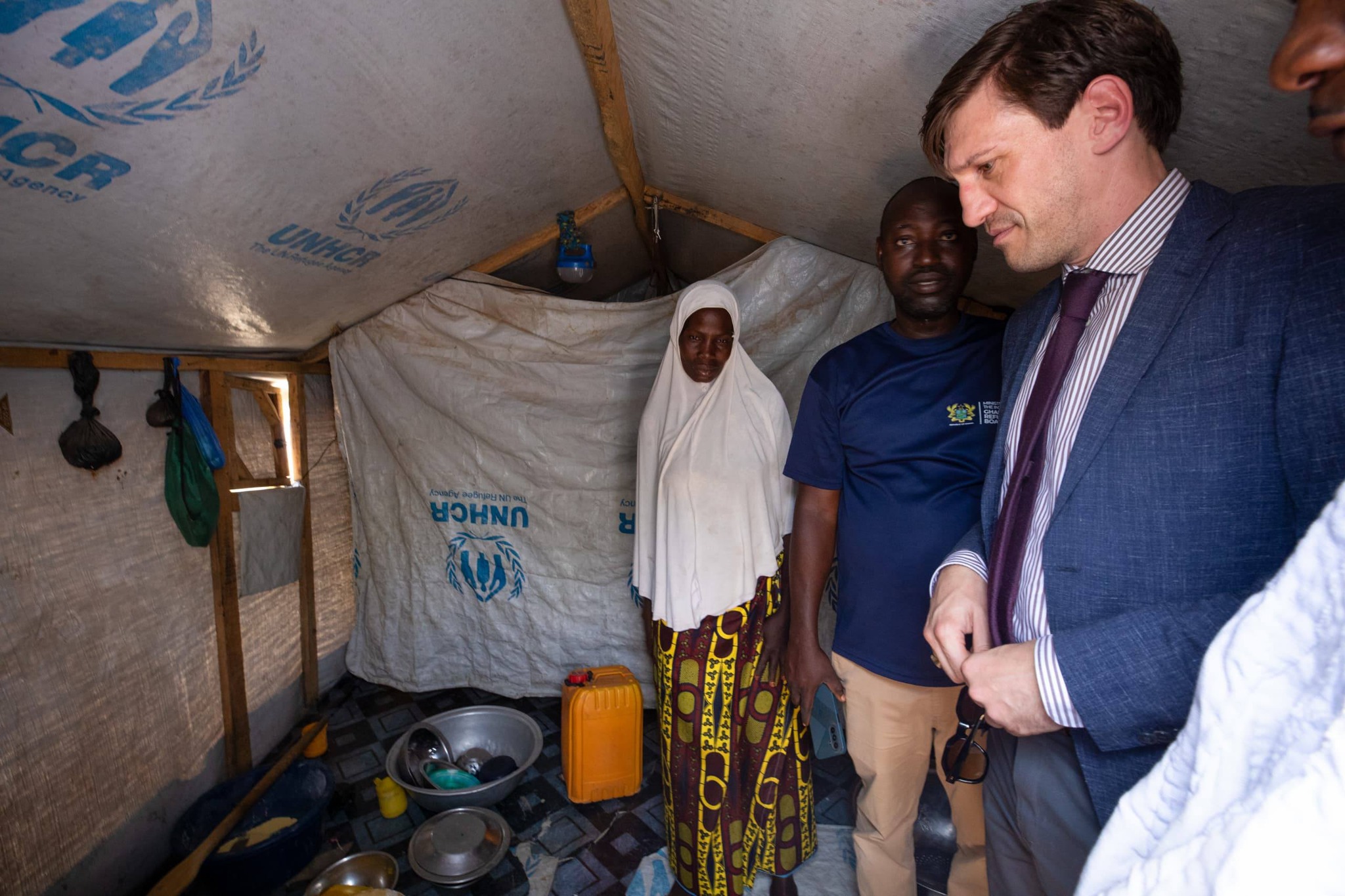
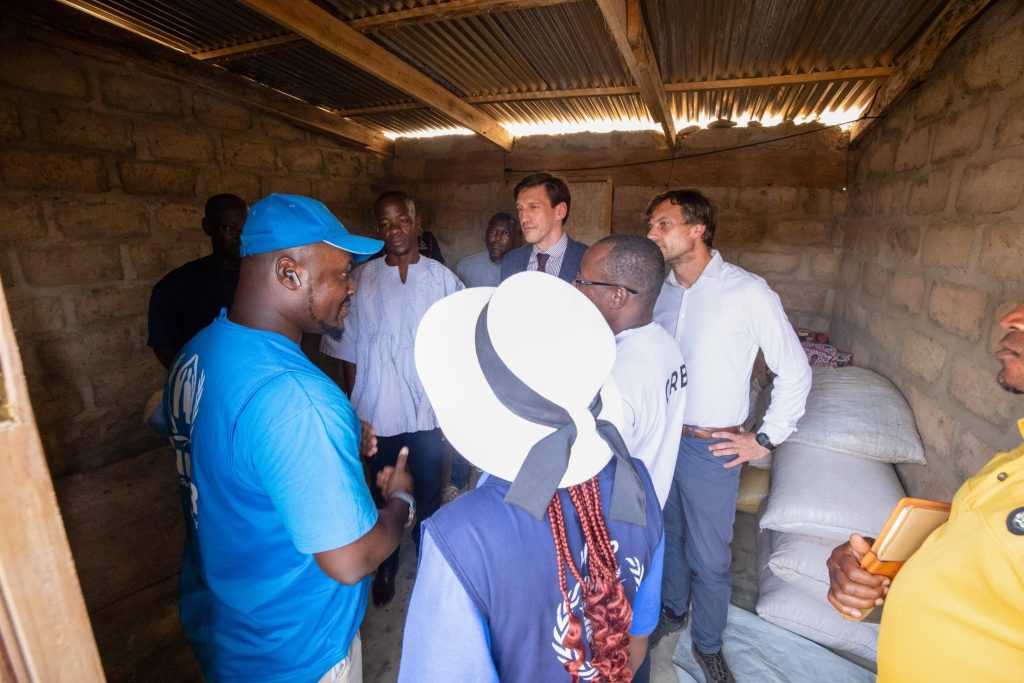
As part of his visit, Ambassador Landshoeft toured the refugee camp and held discussions with development partners and state institutions working in Zini. These included agencies focused on food security, child welfare, refugee protection, development programming, and migration management.
Across Zini and similar border communities in the Upper West Region, the commitment to dialogue, coexistence, and shared progress remains strong. Local actors continue to take ownership of peacebuilding efforts, with international partners providing support.
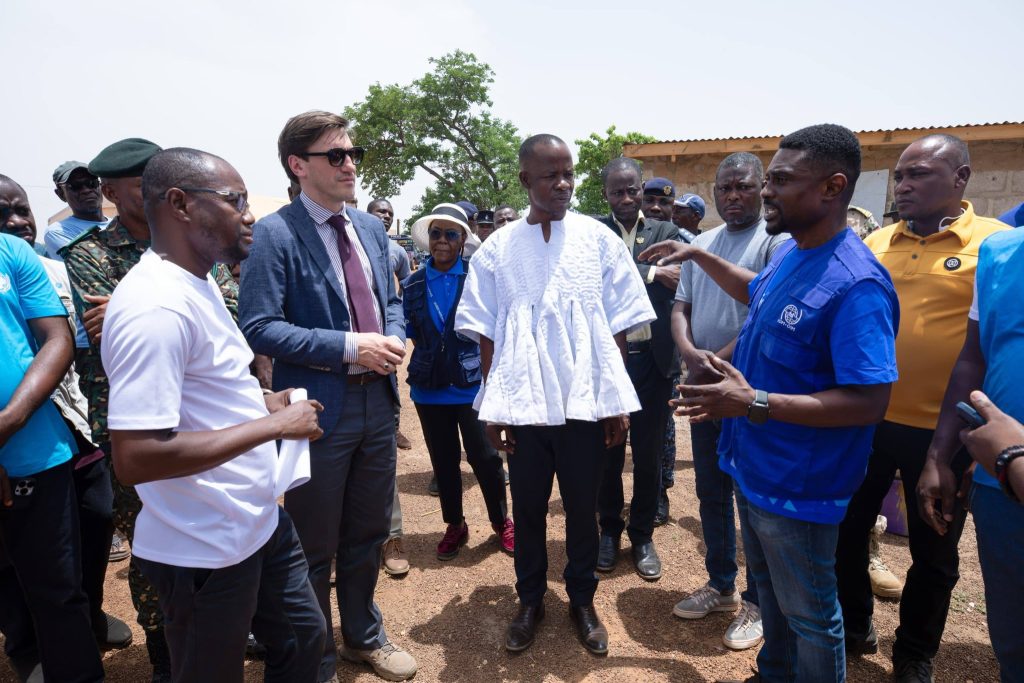
Germany, represented by the ambassador, reaffirmed its commitment to collaborating with these communities, positioning itself as a reliable partner in advancing stability and development.
For the people of Zini, “it will be well” is more than a hopeful expression—it is a collective commitment to building a peaceful and inclusive future.
Source: www.kumasimail.com