































The Ghana Revenue Authority’s Customs Division has appealed to Burkina Faso to extend operations at the Dakola border post to 24 hours to improve trade and reduce heavy congestion along the Paga-Dakola international corridor.


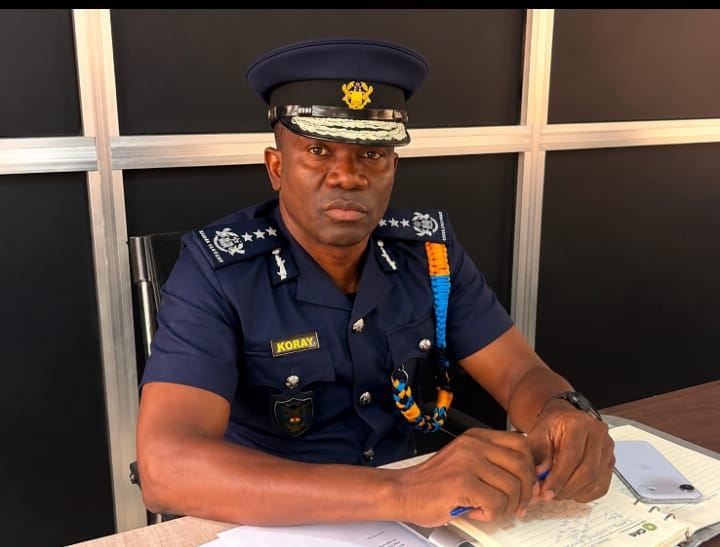
Upper East Sector Commander of Customs, Assistant Commissioner Salifu Koray, made the appeal during a meeting with Burkina Faso’s Ambassador to Ghana, H.E. David Kabré, at the Upper East Regional Coordinating Council on Friday.
Describing the Paga-Dakola crossing as a strategic gateway for both countries, Mr Koray said efficient border operations were essential to facilitating trade, transport and transit within the West African sub-region.
“It is vital for trade, transport and transit. It is the border that binds our two countries together,” he said.
According to him, Ghana currently dispatches about 50 fuel tanker trucks daily from the Tema Oil Refinery to Burkina Faso under an existing supply arrangement, with volumes expected to increase to about 200 tankers each day.
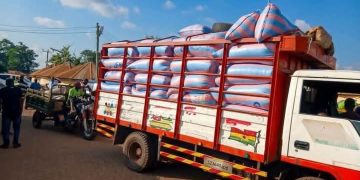
He said the current operating hours at the Dakola border post have become a major bottleneck, forcing trucks to queue for long hours and creating traffic congestion that often stretches from the Paga border into Navrongo.
Assistant Commissioner Koray said extending operations to a 24-hour schedule would significantly improve the movement of goods, reduce delays and lower transport costs for businesses using the corridor.
He also appealed to the Burkina Faso authorities to deploy fire tenders at the border to enhance emergency response and establish designated rest areas for truck drivers to improve safety and operational efficiency.
The Customs commander reaffirmed Ghana’s commitment to strengthening cooperation with Burkina Faso in facilitating the movement of people, goods and services across the shared border.
The Paga-Dakola border is Ghana’s principal gateway to Burkina Faso, a landlocked country that depends heavily on Ghana’s seaports for imports and exports. The corridor also serves as a major transit route to other Sahelian countries, making efficient border operations critical to regional trade, economic integration and the implementation of the ECOWAS free movement protocol.
Source: www.kumasimail.com