





































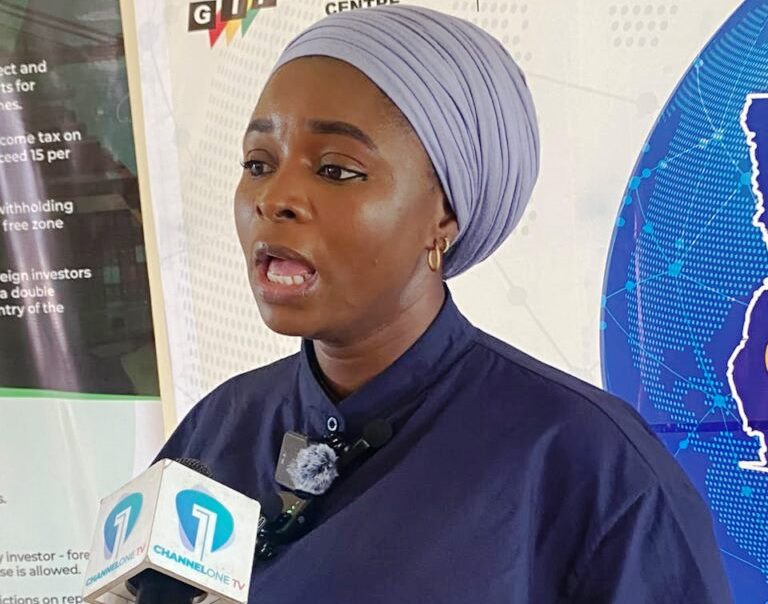
The Savannah Region has identified 19 investment projects targeting agro-processing, commercial farming, livestock production and inland repair ports as the Ghana Investment Promotion Authority (GIPA) intensifies efforts to attract investors to northern Ghana.


The projects were presented at the Savannah Regional Investment Forum held at the Regional Coordinating Council Conference Centre in Damongo on Thursday, October 22, 2026.
The forum formed part of GIPA’s nationwide Investment Opportunities Mapping Project, which seeks to identify viable business opportunities across the country and package them to attract local and international investment.
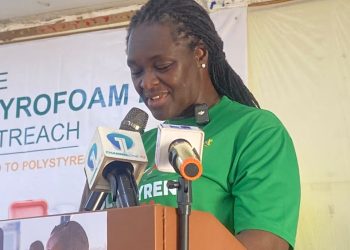
Speaking to the media after the forum, GIPA’s Public Relations Officer, Zainabu Issah, disclosed that the five regions of the north had submitted approximately 128 investment projects, with Savannah accounting for 19.
She said further stakeholder engagements were expected to uncover additional opportunities for investment and economic development in the region.
Madam Issah said the initiative, introduced under GIPA Chief Executive Officer Simon Madjie, was intended to extend investment promotion beyond major urban centres by identifying viable projects at the regional and district levels.
She explained that the authority was assessing existing businesses, identifying their challenges and determining the support needed to package projects for prospective investors.
The identified opportunities are expected to be presented at the Invest Ghana Summit scheduled for November 16 and 17, 2026, at the Kempinski Gold Coast Hotel in Accra.
Madam Issah said GIPA was collaborating with the Ghana Export Promotion Authority and the Ghana Free Zones Authority to promote the region’s investment potential and educate businesses on available incentives.
She stressed that the initiative must translate into actual investments, job creation and improved livelihoods rather than end with stakeholder engagements.
The Ghana Free Zones Authority’s Kumasi Regional Manager, Samed Akalilu, identified agro-processing as a major opportunity for industrial development in the Savannah Region, citing its agricultural potential, arable land and access to water.
He urged investors to establish processing facilities for commodities such as shea, soybeans and groundnuts to increase their value instead of selling them in their raw forms.
According to him, soybeans could be processed into milk and oil, while groundnuts could be transformed into peanut paste and other packaged products for local and international markets.
Mr Akalilu said such investments could increase farmers’ incomes, create jobs and stimulate demand for agricultural machinery, processing equipment and other industrial inputs.
He explained that the Free Zones Authority supported export-oriented businesses through licensing, regulatory assistance and aftercare services to help investors address operational challenges.

Eligible businesses under the Free Zones programme are generally required to export at least 70 per cent of their output to qualify for applicable incentives.
The authority offers manufacturing, developer and services licences, among other relevant operational arrangements, while helping investors navigate procedures involving agencies such as GIPA, the Ghana Revenue Authority and the Ghana Export Promotion Authority.
Mr Akalilu called for greater private-sector investment in agro-processing and manufacturing to strengthen the region’s industrial base and create economic opportunities around agriculture.
The Investment Opportunities Mapping Project is expected to connect identified regional projects with prospective investors at the November summit, as authorities seek to mobilise private capital beyond Ghana’s established commercial centres.
Source: www.kumasimail.com