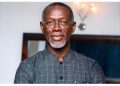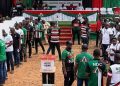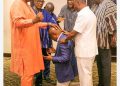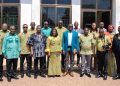


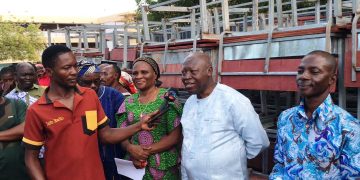


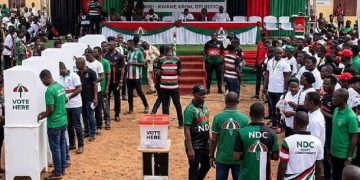






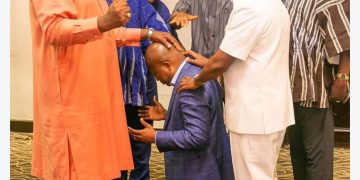

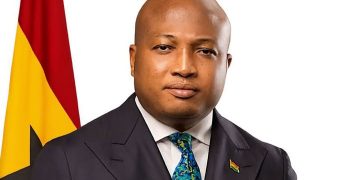





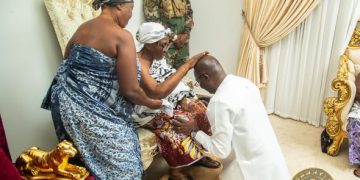



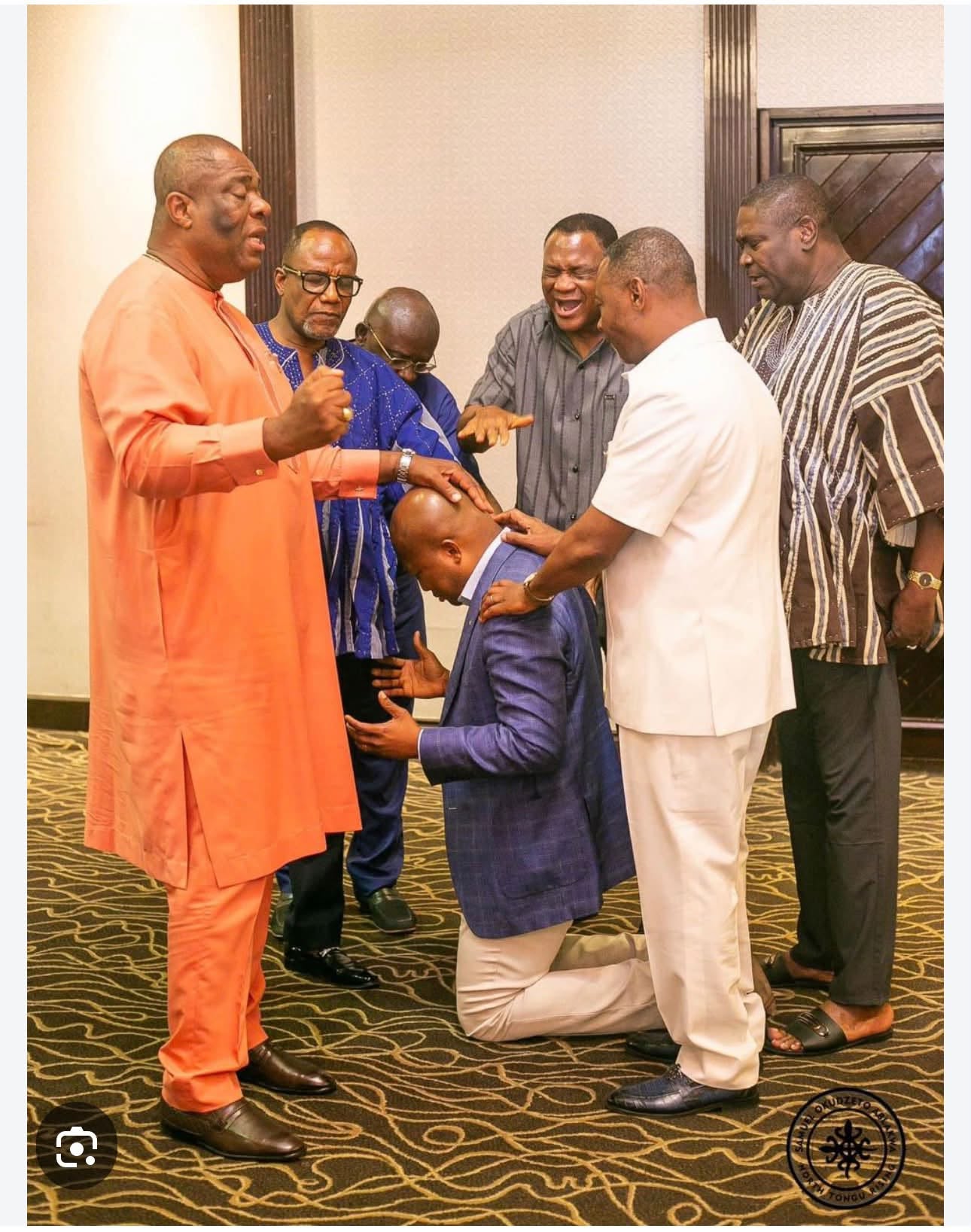
In Ghana, it appears that even anointing oil has become partisan. In 2023, prominent men of God laid hands on Samuel Okudzeto Ablakwa MP, as he mounted his crusade against alleged corruption. He was celebrated as a fearless apostle of accountability, a political David confronting the Goliaths of public corruption. Today, with serious questions confronting his own ministry, the prophets appear to have misplaced their thunder and oil. Has accountability lost its divine endorsement because the man under scrutiny is now one of their former favourites?


There is something profoundly disturbing about a society in which moral outrage is thunderous when directed at political opponents but remarkably subdued when it reaches one’s own camp. Ghana is witnessing precisely this contradiction: a celebrated anti-corruption crusader facing questions about his own stewardship, while religious leaders whose earlier interventions helped legitimise his crusade appear reluctant to demonstrate the same urgency.
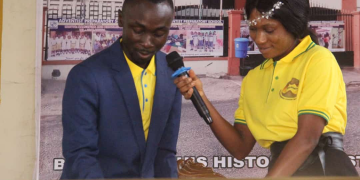
In 2023, Ablakwa MP became the public face of accountability, relentlessly challenging the National Cathedral project and exposing allegations surrounding Reverend Victor Kusi Boateng’s supposed identities and diplomatic passport privileges. Archbishop Nicholas Duncan-Williams and Reverend Eastwood Anaba publicly supported calls for independent audits. The symbolism of clergy laying hands on Hon. Ablakwa elevated his campaign beyond ordinary politics. He was presented almost as an apostle of the public purse.
Fast-forward to 2026. His own ministry faces scrutiny over GH¢49.72 million associated with Ghana’s South Africa evacuation exercise, including GH¢16.4 million reportedly flagged as unaccounted for. Then came the passport controversy: two officials interdicted, ten service passports cancelled, and Minority allegations that approximately 300 unqualified individuals obtained special passports for payments ranging from US$10,000 to US$50,000.
One question is unavoidable: how does a minister whose political credentials were largely built on exposing passport irregularities explain similar allegations emerging within the institution he supervises?
The man who demanded receipts must now produce his own.
Yet the clergy’s apparent silence presents an equally troubling spectacle.
Consider Archbishop Duncan-Williams; having publicly supported calls for an independent audit of the National Cathedral project, with his public posture suggesting serious concern about possible impropriety, his September 2026 declaration that there was no corruption surrounding the project raises an obvious question: what changed? What evidence supports this categorical position, and how does it reconcile with his earlier insistence on independent scrutiny?
More troubling is the apparent absence of a comparably forceful public defence of Reverend Kusi Boateng, his spiritual son, when Ablakwa’s allegations subjected the clergyman to intense public criticism. CHRAJ subsequently found no basis for the allegations of financial wrongdoing and dual identities against Rev. Kusi Boateng. Where, then, was the Archbishop’s prophetic urgency in defending his own spiritual son?
Were these religious leaders defending accountability as a universal principle, or lending their spiritual authority to a politically convenient crusade?
And where are those voices now that Ablakwa’s ministry faces scrutiny?
The issue is not that Arch. Duncan-Williams or Rev. Anaba must defend Hon. Ablakwa, or that they must endorse the Minority’s allegations. It is that moral authority loses credibility when its public expression appears dependent on whose political interests are threatened. If independent audits were a sacred obligation in 2023, they cannot become a political inconvenience in 2026.
Hon. Ablakwa, equally, cannot claim exemption. Anti-corruption activism is not a personal brand or a weapon reserved for political opponents. It is a principle. His past activism does not confer immunity from present scrutiny. He must submit to the same forensic examination he once demanded of others.
This is Ghana’s deeper moral crisis: accountability becoming partisan currency and the pulpit an occasional instrument of political validation.
The clergy must rediscover their prophetic independence. Ablakwa must demonstrate that his anti-corruption credentials represent conviction rather than political convenience. The allegations must be investigated, and responsibility established through evidence.
The pulpit is not a party headquarters. Accountability is not a partisan sacrament.
Perhaps the most uncomfortable question is this: were those hands laid on Ablakwa in 2023 anointing an apostle of accountability, or endorsing a political moment?
The true test of an apostle is whether he submits to the standards he preaches. The true test of a prophet is whether he speaks with equal conviction when the political winds change.
Ghana deserves prophets without political favourites, apostles without double standards, and accountability without exemptions.
The Horns of the Altar!
Prof. Dr.rer.nat. Dr.med Otchere Addai-mensah
Dept. of Medical Diagnostics
College of Health Sciences
KNUST