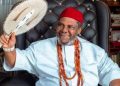
















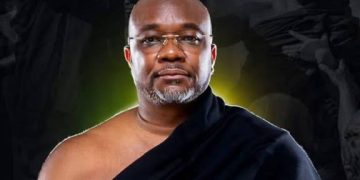
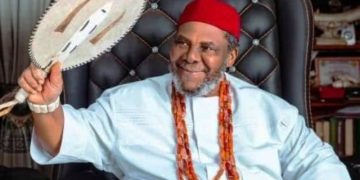



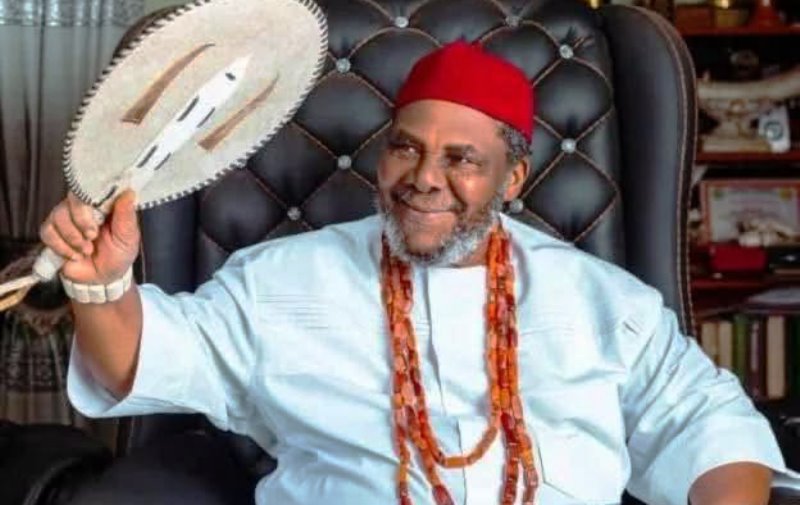
African cinema has lost one of its most commanding figures following the death of veteran Nigerian actor and broadcaster Chief Pete Edochie, whose unmistakable voice, imposing screen presence and unforgettable portrayals of traditional African characters made him one of Nollywood’s most celebrated personalities.


Edochie died at 12:30 a.m. on Wednesday, November 25, 2026, in Enugu, Nigeria, aged 79, after a protracted battle with prostate cancer.
His death was announced by his son, Chief Leo Pete Edochie, in a statement issued on behalf of the family.
The statement described the deceased as a beloved husband, father, brother and kinsman, adding that funeral arrangements would be announced in due course.
His passing comes just months before his 80th birthday, which he would have celebrated on March 7, 2027.
But perhaps what makes his final days particularly poignant was his recent visit to Ghana, where he offered a glimpse into his health struggles while demonstrating the compassion and generosity that endeared him to many.
His final Ghana visit: A legend who refused to give up hope
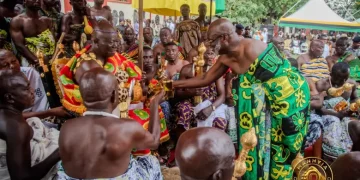
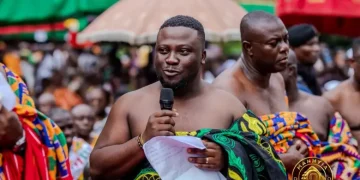
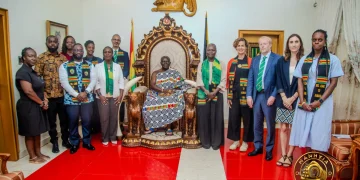
Edochie’s last major public engagements in Ghana came in September and October 2026 when he arrived in Accra for the launch of the Pete Edochie Legacy Project, an initiative celebrating his decades-long contribution to African cinema, culture and storytelling.
The visit, which formed part of Accra Legacy Week, brought together admirers and stakeholders in the creative industry to celebrate his influence on African storytelling.
However, beyond the celebrations, the legendary actor made a deeply personal revelation about his deteriorating health.
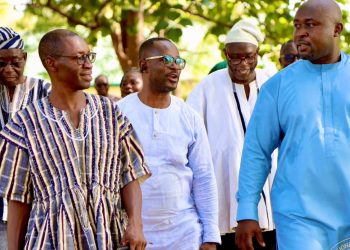
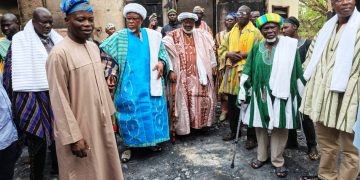
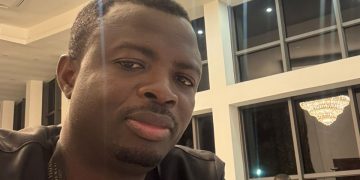
During a visit to his longtime Ghanaian colleague, veteran actor Emmanuel Armah, who has battled serious health challenges for nearly 11 years, Edochie disclosed that he was also struggling physically.
“Walking is a problem for me now, but I still have hope that I will recover,” he said in a video that subsequently circulated widely on social media.
He spoke about experiencing swelling in different parts of his body and admitted that his health challenges had become increasingly difficult.
In one particularly emotional moment, he expressed a prayer that his condition would not make him a burden to his family.
His words offered a rare glimpse into the vulnerability of a man who had spent decades portraying powerful, authoritative and seemingly invincible characters on screen.
Yet, despite his own struggles, Edochie did not travel to Ghana merely to celebrate his achievements.
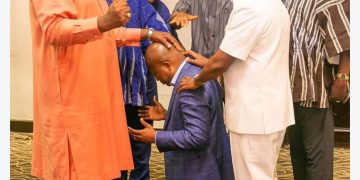
He visited Armah, prayed for his recovery and offered financial assistance towards his medical treatment and upkeep.
He encouraged his ailing colleague to remain hopeful, expressing his belief that he would recover.
The gesture became one of the most touching moments of his Ghanaian visit, revealing a compassionate side of the screen icon beyond the characters audiences had come to admire.
His final interview and the Yul Edochie controversy
In another significant development in his final days, excerpts from what has emerged as his last interview with Ugo Nwokolo TV surfaced on social media on Sunday, November 22.
The full interview was scheduled for release on Wednesday, November 25, the same day he died.
During the interview, Edochie addressed the controversy surrounding his son, actor Yul Edochie’s decision to marry actress Judy Austin as his second wife.
He defended his son against the public criticism that followed the development, describing him as a strong personality who could not easily be subdued by public pressure.
He also praised Yul for not publicly speaking negatively about his first wife, May Edochie, despite the controversy surrounding the marriage.
The interview provided another glimpse into the veteran actor’s family concerns and his determination to stand by his children amid public scrutiny.
From broadcasting to becoming an African screen legend
Born on March 7, 1947, in Zaria, Kaduna State, Nigeria, Pete Edochie hailed from Akamnato, Ifite Nteje, in Anambra State.
Before establishing himself as an acting powerhouse, he built a career in broadcasting.
He joined the Eastern Nigerian Broadcasting Corporation in 1967 as a junior programmes assistant and gradually rose through the ranks, eventually becoming Director of Programmes at the Anambra Broadcasting Service.
His transition into acting would, however, change the trajectory of his career and establish him as one of Africa’s most recognisable screen personalities.
His defining breakthrough came through his portrayal of Okonkwo in the 1987 television adaptation of Chinua Achebe’s celebrated novel, Things Fall Apart.
His interpretation of the complex Igbo warrior, a man driven by ambition, tradition, pride and an uncompromising sense of masculinity, earned him widespread acclaim.
The performance introduced him to audiences far beyond Nigeria and became one of the most celebrated portrayals in African television history.
As Nollywood expanded into an international entertainment industry, Edochie remained one of its most recognisable faces.
His filmography included notable productions such as Igodo, Rituals, Billionaire’s Club and Lionheart, the 2018 film directed by Genevieve Nnaji.
He became particularly associated with roles as traditional rulers, wealthy patriarchs, community elders and influential businessmen.
His deep, authoritative voice, deliberate delivery, expressive facial gestures and frequent deployment of African proverbs became his signature.
For many viewers, his screen presence represented an unmistakable blend of African cultural identity, traditional authority and storytelling excellence.
An award-winning career and enduring legacy
Edochie’s contributions to the Nigerian film industry earned him several recognitions, including the national honour of Member of the Order of the Niger (MON), conferred on him in 2003 by former President Olusegun Obasanjo.
He also received the Africa Magic Industry Merit Award and a Lifetime Achievement Award from the Africa Film Academy, among other honours.
His influence extended beyond acting into the preservation and promotion of African culture through storytelling.
For generations of Nollywood audiences, he was more than an actor. He was a familiar voice of authority whose performances helped bring African traditions, proverbs, values and social realities to life.
His recent Ghana visit and the launch of the Pete Edochie Legacy Project were significant reminders that his contribution to African cinema transcended national boundaries.

The initiative sought to preserve and celebrate a body of work that has influenced generations of filmmakers, actors and audiences across the continent.
A legend whose voice will live on
Pete Edochie is survived by his wife, Barrister Josephine Edochie, his children, including actors Yul and Linc Edochie, siblings and other relatives.
His death brings to an end a remarkable journey spanning broadcasting, television and film, but the characters he created and the stories he helped tell will remain part of Africa’s cinematic heritage.
From his unforgettable portrayal of Okonkwo in Things Fall Apart to his countless appearances as the quintessential African patriarch, Edochie built a legacy that few actors can replicate.
In Ghana, his final visit will also be remembered for the touching reunion with Emmanuel Armah, his candid reflections on his health and his willingness to extend a helping hand to a colleague despite his own physical difficulties.
The man who spent decades commanding screens across Africa has taken his final bow.
But the voice, wisdom and artistry of Chief Pete Edochie will continue to echo through Nollywood and African cinema.
May his soul rest in peace.
Source: www.kumasimail.com