

























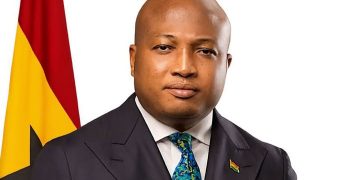














Northern Regional Minister Adolf Ali John has raised concerns about the concealment, discrimination and abuse experienced by persons living with mental health conditions, warning that stigma and misconceptions continue to prevent many from accessing professional treatment.


He has consequently called on traditional authorities, religious leaders, families and community institutions to intensify efforts to eliminate discrimination and promote early diagnosis and treatment of mental health conditions.
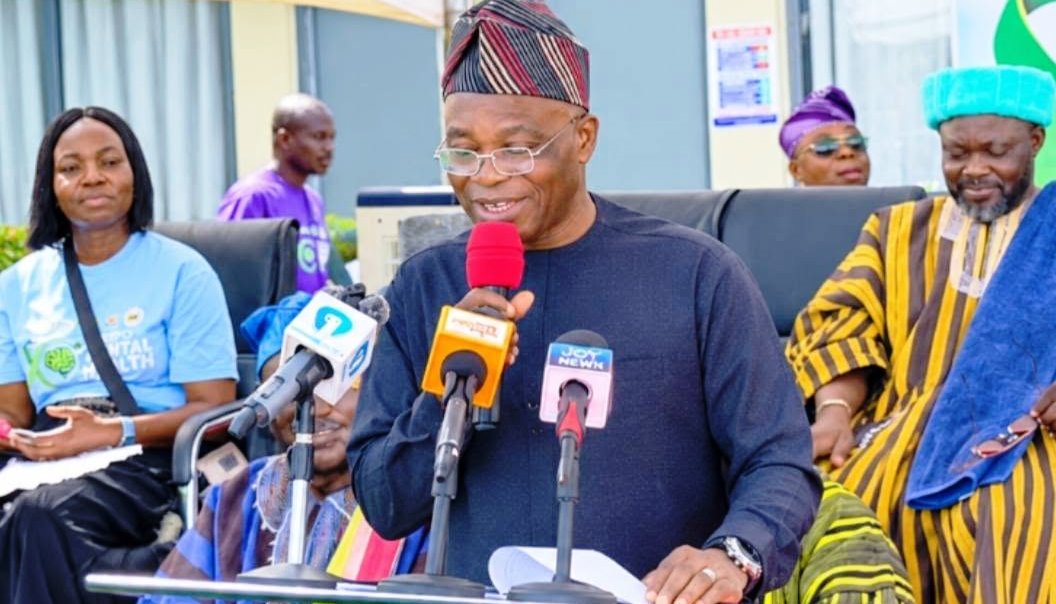
The Minister made the call on Thursday, November 12, 2026, when he served as Guest of Honour at the 2026 National Annual Mental Health Week celebration at the forecourt of the Northern Regional Health Directorate in Tamale.
The celebration, held under the theme, “Lived Experiences Heard: Real Voices, Real Change,” brought together representatives of the Ministry of Health, Ghana Health Service, Mental Health Authority, World Health Organisation (WHO), traditional authorities, development partners and other stakeholders.
Mr Ali John expressed concern that some families continued to conceal relatives experiencing mental health challenges or delayed seeking professional help because of shame, fear and misconceptions about the conditions.
He said persons living with mental health conditions were sometimes subjected to isolation, ridicule, discrimination and abuse, stressing that such treatment undermined their dignity and chances of recovery.
The Regional Minister rejected perceptions that mental health conditions were manifestations of spiritual failure or personal weakness, insisting that affected persons deserved the same prompt, dignified and professional medical attention as people suffering from physical illnesses.
He noted that conditions such as depression, anxiety and substance use disorders could affect anyone, irrespective of their social, economic or educational background.
He therefore appealed to traditional authorities, religious leaders and community elders to use their influence to challenge misconceptions and create supportive environments for people experiencing mental health difficulties.
He urged traditional councils, churches, mosques, schools and other community institutions to encourage early identification, professional treatment and recovery rather than perpetuate stigma.
Substance abuse among young people
Mr Ali John also identified substance abuse among young people as a growing concern requiring urgent and coordinated intervention.
He observed that substance abuse could trigger or worsen mental health conditions, making it necessary for parents, schools, security agencies, healthcare professionals and community leaders to work together to address the problem.
However, he cautioned against relying solely on punitive measures, arguing that interventions must also prioritise preventive education, accessible rehabilitation services, psychosocial support and opportunities for social reintegration.
He said young people experiencing substance-related challenges needed guidance and opportunities to rebuild their lives and contribute meaningfully to society.
Government interventions
The Regional Minister also highlighted the government’s Free Primary Healthcare Programme as an intervention expected to strengthen preventive healthcare, promote early identification of health conditions and improve referral systems, including for mental health concerns at the grassroots level.
He also mentioned the Ghana Medical Trust Fund, popularly known as Mahama Cares, and investments in medical equipment, healthcare infrastructure and workforce development as part of efforts to improve access to healthcare.
However, he stressed that mental healthcare must receive adequate attention within these broader interventions to ensure that persons living with mental health conditions were not left behind.
He further called on employers and educational institutions to prioritise mental well-being by creating supportive environments where workplace stress could be addressed and young people could access guidance and counselling without fear of discrimination.
Lived experiences must shape policy
Addressing the theme of the celebration, Mr Ali John emphasised that people who had personally experienced mental health conditions must have a voice in shaping policies, programmes and healthcare delivery.

He said their experiences offered valuable insights into the challenges of stigma, barriers to treatment and the importance of receiving support without judgement.
He argued that sustainable improvements in mental healthcare could only be achieved when affected persons were actively involved in developing solutions rather than having interventions imposed on them.
In his welcome address, Dr Kubio, representing the Northern Regional Health Directorate and the Ghana Health Service, acknowledged the contributions of the Regional Coordinating Council, Metropolitan, Municipal and District Assemblies, traditional and religious authorities, health workers, community volunteers, families and caregivers towards improving mental healthcare in the region.
He urged stakeholders to use the celebration to renew their commitment to dignity, compassionate care and social inclusion, stressing that the experiences shared during the event must continue to influence decisions and actions beyond the celebration.
Mr Ali John, meanwhile, called on the media, families, religious institutions, schools and community leaders to sustain public conversations about mental health and promote a culture of understanding and acceptance.
He said the Northern Region’s development aspirations could only be realised when the physical and mental well-being of all residents received adequate attention.
Source: www.kumasimail.com