




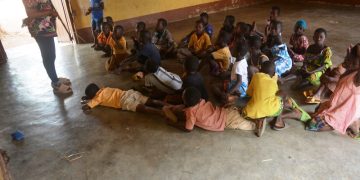
























Government has set a 2030 target to significantly improve foundational literacy, numeracy and psychosocial development among children aged four to eight, as part of a renewed effort to address weaknesses in Ghana’s basic education system.


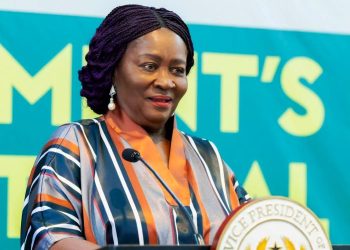
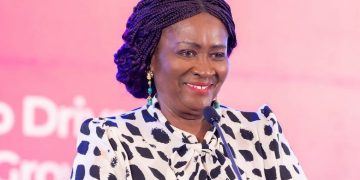
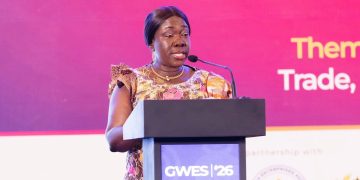
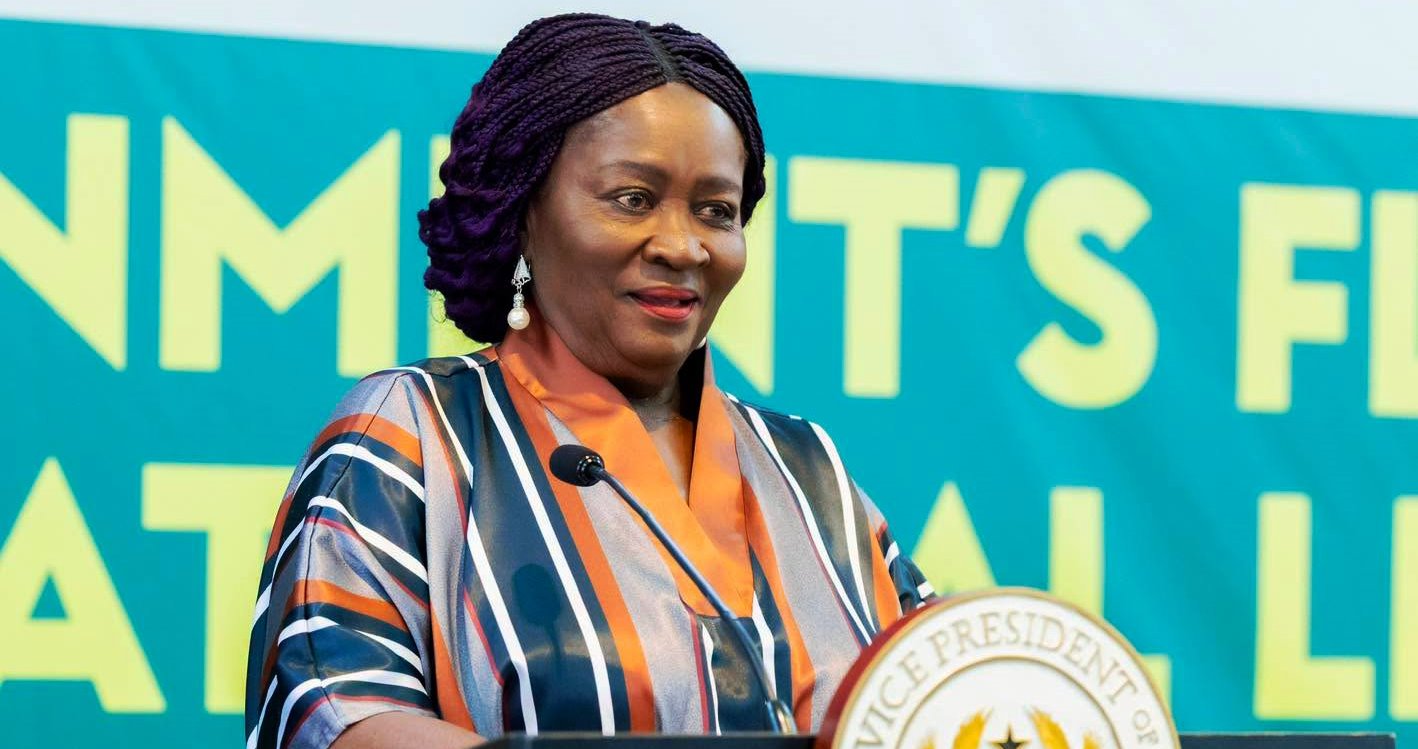
Vice President Professor Naana Jane Opoku-Agyemang announced the target at the launch of the flagship Foundational Learning Agenda (2026–2040), emphasising the need to ensure that children acquire meaningful knowledge and essential skills rather than simply enrolling in school.
The target covers pupils in public and low-fee private schools, with government seeking to address learning inequalities across gender, geographical location, ability and socioeconomic backgrounds.
Prof. Opoku-Agyemang said Ghana’s education system must move beyond expanding access to schooling and focus on whether children were actually learning and acquiring the skills needed to progress through their educational journey.
She also backed proposed curriculum revisions that would give Ghanaian languages a stronger role in early literacy instruction, arguing that children were better positioned to understand concepts and express themselves confidently when learning was supported by familiar languages.
According to her, nurturing children’s natural curiosity and recognising local languages as an important medium of instruction would help strengthen early learning outcomes.
The Vice President urged the Ministry of Education to build on interventions that had delivered results, avoid unnecessary duplication and improve coordination among institutions and development partners.
She further called for regular monitoring of learning outcomes and adjustments to programmes where necessary to ensure that the 14-year agenda translated into measurable improvements in children’s educational performance.
Prof. Opoku-Agyemang linked the initiative to Ghana’s long-term economic ambitions, arguing that the country’s ability to increase domestic production, add value to raw materials and create sustainable employment would depend heavily on the quality of education provided to children today.

She said the critical thinking, adaptability and problem-solving abilities required by tomorrow’s workforce must be developed from the earliest stages of education.
The 2026–2040 Foundational Learning Agenda provides a long-term national framework for improving literacy and numeracy while strengthening collaboration among government institutions, teachers, parents, communities and development partners.
The launch also featured the unveiling of the Foundational Learning Ecosystem Framework and accompanying strategic documents, the presentation of learning materials, the inauguration of the National Foundational Learning Working Group and the signing of a National Foundational Learning Compact.
The success of the initiative will depend on sustained investment, effective implementation and the ability to demonstrate measurable improvements in what children can read, write, understand and calculate.
Source: www.kumasimail.com