





























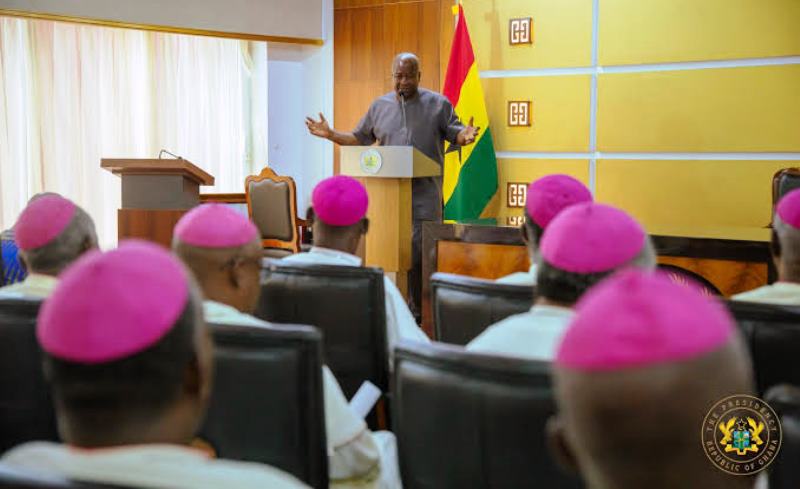
The Ghana Catholic Bishops’ Conference has renewed its call for a formal agreement between government and religious missions to clarify their respective responsibilities in the management of mission schools, warning that the relationship must be strengthened to protect the identity and founding principles of the institutions.


The Bishops said the partnership between government and religious missions should be founded on mutual respect, clearly defined responsibilities and fidelity to the original ethos of mission schools.
Their latest position comes amid longstanding discussions between the Catholic Church and government over the management and administration of faith-based educational institutions, including questions surrounding admissions, discipline, religious formation and the appointment of school heads.
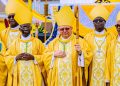
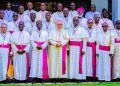
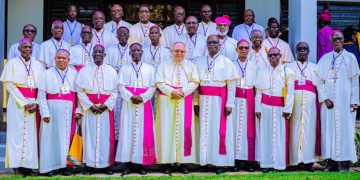
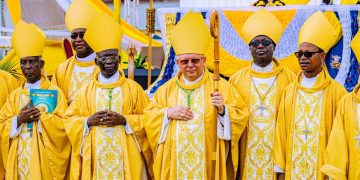
In a communiqué issued at the end of their annual plenary assembly in Jamasi in the Ashanti Region, the Bishops called for a renewed Government-Missions partnership, arguing that the arrangement must recognise the historical contribution and continuing role of religious bodies in Ghana’s educational system.
“We particularly encourage a renewed Government-Missions partnership in the management of mission schools, founded on mutual respect, clearly defined responsibilities and fidelity to their founding ethos,” the Conference stated.
The call is not an entirely new demand from the Catholic Church.
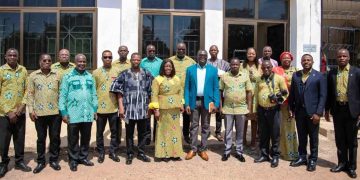
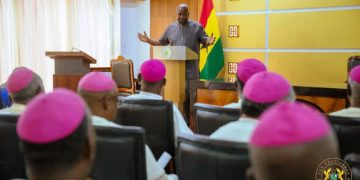
In May 2025, the Ghana Catholic Bishops’ Conference proposed a Church-State co-management framework when a delegation led by its President, Most Rev. Matthew Kwasi Gyamfi, met President John Dramani Mahama at the Presidency.
The Bishops argued at the time that administrative bottlenecks and what they described as the gradual erosion of faith-based managerial roles threatened the identity and educational vision of mission schools.
They proposed a formal partnership agreement involving the Ministry of Education, the Ghana Education Service and the Catholic Bishops’ Conference Education Directorate, alongside joint oversight committees at national, regional and diocesan levels.
The Church also advocated appropriate representation in education policy discussions and a defined role in staff recruitment and disciplinary structures, subject to national standards.
The matter resurfaced in September 2026 when the Catholic Bishops publicly pressed the Mahama administration to conclude and sign the long-awaited agreement.
In that intervention, they argued that the agreement should clearly define responsibilities relating to admissions, governance, appointment of head teachers, religious and moral formation, discipline, school infrastructure and accountability.
The September appeal also came amid concerns about the Computerised School Selection and Placement System.
The Bishops raised questions about placement difficulties experienced by parents and students, allegations of payments for school placements and the lack of transparency surrounding so-called protocol admissions.
They maintained that founding religious missions had a legitimate interest in preserving the religious character, values, discipline and educational vision of their institutions, even as government retained its responsibility to guarantee fair access to education.
The Conference also disclosed that it had resolved at its 2025 National Catholic Education Forum in Koforidua that 20 per cent of annual admissions to Catholic mission schools should be reserved for Catholic candidates.
It stressed that the arrangement must be administered transparently and should not become an avenue for corruption or favouritism.
Meanwhile, a separate development in September 2025 saw the launch of a Memorandum of Understanding on managing religious diversity in mission schools.

The document, developed by the Conference of Managers of Education Units with support from the National Peace Council, was endorsed by the Ghana Education Service and signed by 13 religious missions and bodies.
It provides guidelines for religious tolerance, inclusion and non-discrimination in mission schools, including respect for students of different religious backgrounds.
However, that memorandum focuses specifically on managing religious diversity and should not be confused with the broader Government-Missions management agreement the Catholic Bishops are now demanding.
In their latest communiqué, the Bishops said the management partnership must strengthen the relationship between government and religious missions while ensuring that the founding principles of the institutions remain respected.
The renewed call comes at a time when questions about the governance of mission schools, the role of religious authorities and the responsibilities of the state continue to feature in Ghana’s education policy discussions.
The Conference held its plenary assembly from November 3 to 14, 2026, at the Divine Providence Pastoral Centre in Jamasi.
Source: www.kumasimail.com