


































The Ghana Medical Association (GMA) has called on the government to undertake urgent and comprehensive reforms of the country’s emergency response system to address the persistent “No Bed Syndrome” in health facilities.


The Association said the phenomenon, which has contributed to avoidable deaths and poor health outcomes, was a serious national public health crisis requiring sustained government attention and coordinated interventions.
In a communiqué issued at the end of its 68th Annual General Conference, held at Trinity Hall, Central University, Miotso-Prampram, in the Greater Accra Region, from November 2 to 8, 2026, the GMA said the problem went beyond the shortage of physical emergency beds.
According to the Association, the crisis was also driven by systemic challenges, including poor coordination of patient flow, inadequate emergency care personnel, delayed patient discharges due to financial constraints, unclear referral pathways and, in some instances, poor attitudes among healthcare workers.
The GMA cited significant staffing gaps in the emergency care sector, estimating shortages of 58 per cent among emergency medical technicians (EMTs), 85 per cent among emergency nurses and 65 per cent among emergency physicians.
It warned that the situation was undermining public confidence in the health system and called for a comprehensive approach involving investment in health infrastructure, emergency transport, critical care services and the health workforce.
Although acknowledging efforts by the Ministry of Health to address the problem, the Association said fragmented interventions were insufficient and urged the government to adopt coordinated reforms to ensure that every emergency patient received timely assessment, stabilisation and appropriate transfer without financial barriers.
Among its recommendations, the GMA called for the expansion of the national electronic hospital bed management system and the establishment of hospital bed management teams with clearly defined authority to coordinate patient movement.
It also proposed expanding bed capacity across health facilities, introducing hospital-wide patient flow strategies and establishing a dedicated, sustainable funding mechanism for emergency care.
Other recommendations include strengthening pre-hospital emergency services, improving ambulance operations, expanding the training of emergency medical technicians and equipping district hospitals with essential emergency equipment and diagnostic facilities.
The Association further called for the training and reorientation of healthcare workers, alongside fair accountability measures for proven cases of poor professional conduct.
GMA backs proposed Emergency Care Act
The GMA has also thrown its support behind the government’s proposed Emergency Care Act, describing it as an important step towards protecting patients’ access to emergency medical services and improving the safety of referrals.
However, it urged the government to ensure that the proposed legislation provides a clear and sustainable funding source for emergency care, establishes minimum standards for emergency preparedness and defines responsibilities at every stage of the patient care pathway.
The Association said the law should also address geographical inequalities in access to emergency services.
It expressed readiness to provide technical support towards the development and enactment of the legislation.
Government urged to implement deprived area allowance
On the welfare of healthcare workers, the GMA renewed its call for the immediate implementation of the deprived area allowance for health professionals serving in underserved communities.
It said attracting and retaining health workers in deprived areas remained a major challenge, despite repeated assurances by successive Ministers of Health and other government officials regarding the introduction of the incentive package.
The Association described the delay in implementing the allowance as unacceptable and urged the government to expedite the process.
GMA pushes for revival of vehicle hire purchase scheme
The Association also welcomed the President’s announcement of the government’s decision to reactivate the Vehicle Hire Purchase Scheme to provide healthcare workers with sustainable means of transportation.
It called on the Ministry of Health and other stakeholders to conclude the necessary implementation arrangements promptly to ensure that the President’s pledge was fulfilled by the end of 2026.
GMA calls for heightened Ebola preparedness
Meanwhile, the Association has called for intensified national preparedness against the threat of Ebola Virus Disease, particularly the Bundibugyo strain.
It expressed concern about the reported spread of the strain in parts of Central and East Africa and the detection of the virus in Nigeria, which it said heightened the need for Ghana to strengthen its preparedness.
The GMA commended the Ministry of Health and the Ghana Health Service for initial efforts to educate healthcare workers and the public, as well as intensify surveillance at the country’s points of entry.
However, it urged the authorities to step up public education, designate quarantine and isolation facilities, strengthen case management capacity and intensify community-level surveillance.
It also called on the government to make adequate financial provisions to support an effective response in the event of an outbreak.
The Association advised the public to observe good hygiene practices, including regular handwashing with soap under running water and the use of alcohol-based hand sanitisers.
It further cautioned against physical contact with infected persons, dead bodies and potentially contaminated objects.
People experiencing symptoms such as high fever, headache, muscle pain, sore throat, general weakness, vomiting and unexplained bleeding were advised to report to the nearest health facility.
The GMA also urged the public to remain vigilant and promptly alert health authorities to anyone in their communities exhibiting similar symptoms.
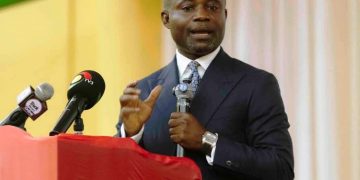
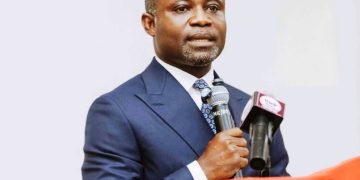
The communiqué was signed by the GMA President, Prof. Dr. (Med) Ernest Yorke, and its General Secretary, Dr. (Dent) Richard Selormey, on November 8, 2026.
Source: www.kumasimail.com