































The Asante Cultural and Traditional Institute (ActiGhana) is intensifying efforts to preserve Asante heritage through education, equipping Senior High School (SHS) Twi teachers with knowledge of traditional leadership and enstoolment practices.


The initiative forms part of the Institute’s commitment to ensuring that Asante customs, traditions and historical practices are accurately taught and passed on to younger generations.
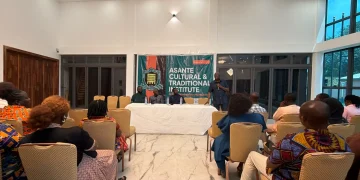
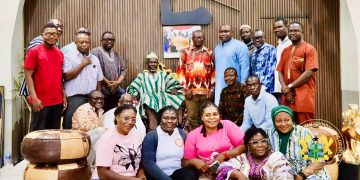
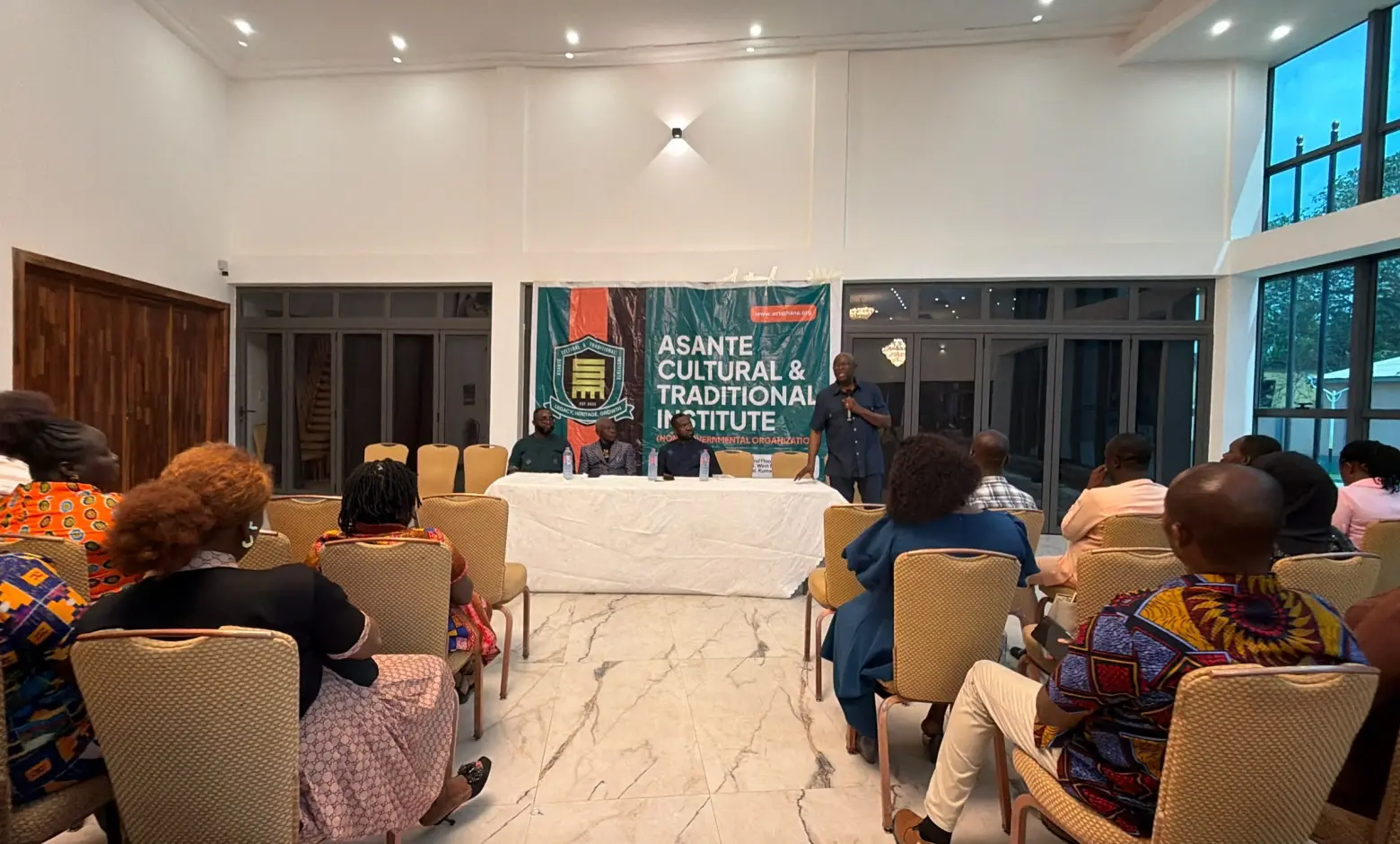
At a workshop held on November 25, 2026, at the Otumfuo Osei Tutu II Jubilee Hall at Manhyia Palace, teachers from various second-cycle institutions in the Ashanti Region received instruction on the processes and cultural significance of enstoolment.
The training brought together teachers from Bekwai SDA SHS, Dwamena Akenten SHS, Yaa Asantewaa SHS, Osei Tutu SHS, St. Michael’s SHS, Toase SHS, Kumasi Girls’ SHS, Anglican SHS, Afia Kobi Serwaa Apem SHS, Sekyere Dumase SHS, Christ the King SHS and T.I. Ahmadiyya SHS, among others.
The workshop was facilitated by the Institute’s founder, Prof. Thomas Agyarko Poku, and historian Prof. Sarfo Kantanka, who addressed the various types of traditional stools, appointments to stools and the rites associated with enstoolment.
Participants were also provided with traditional literature to support teaching and research, with copies donated to school libraries and teachers for personal use.
Speaking to Opemsuo Radio after the programme, Prof. Agyarko Poku said the Institute was committed to broadening public understanding of Asante culture and would organise additional workshops on other traditional subjects, including destoolment and the Great Oath.
“We have taken up the responsibility to promote Asante culture and tradition. Today we met Twi teachers in the Ashanti Region, and today’s subject was on enstoolment. This won’t be the last time; many more sessions will take place where we will talk about destoolment and the Great Oath,” he said.
Teachers who participated in the workshop described the training as an opportunity to correct misconceptions and deepen their understanding of traditional practices.
Mavis Boatemaa of Bompata Presby SHS said the workshop had broadened her understanding of enstoolment, particularly the protocols governing a candidate’s access to the stool room before taking the oath.
“I have gotten a better perspective of how enstoolment is done. We were told that chiefs-to-be are blindfolded and taken into the stool room to touch a stool whose name they will bear. But today, we were taught that before taking the oath, a candidate cannot enter the stool room,” she said.
Stephen Anokwa of Opoku Agyeman Senior High Technical School said the training had highlighted gaps in their knowledge of Asante customs despite living and teaching within Asanteman.
He called on ActiGhana to extend the programme to schools to enable students to benefit directly from the cultural education.
“We have learnt a lot about our culture and tradition. Though we live within Asanteman, we err in most of our speech. We learnt about black stools and stool rooms and how they are maintained. We are happy and hope that we get more of such education in the coming days. These teachings must be taken to schools, so they get closer to the students,” he said.
Gloria Owusu of St. Michael’s SHS also welcomed the initiative, describing it as an opportunity to unlearn misconceptions and acquire knowledge to pass on to students.
“The seminar has helped us a lot. We have unlearned and relearned. We have learnt a lot and wish they do it often so we can impart the knowledge to our students,” she said.
ActiGhana, a Kumasi-based organisation dedicated to preserving and teaching Asante heritage, customs and history, also trains nominated chiefs and elders while providing structured cultural education to students and the general public.
The Institute’s other officials include Dr. Albert Adusei Dua, Consultant; Ebenezer Afeke, Programmes Manager; and Kelvin Yesutor, Administrative Manager.
Editorial angle: This version centres on cultural preservation through the education system, positioning teachers as key carriers of Asante heritage to the next generation, rather than leading with the workshop itself.