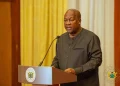

















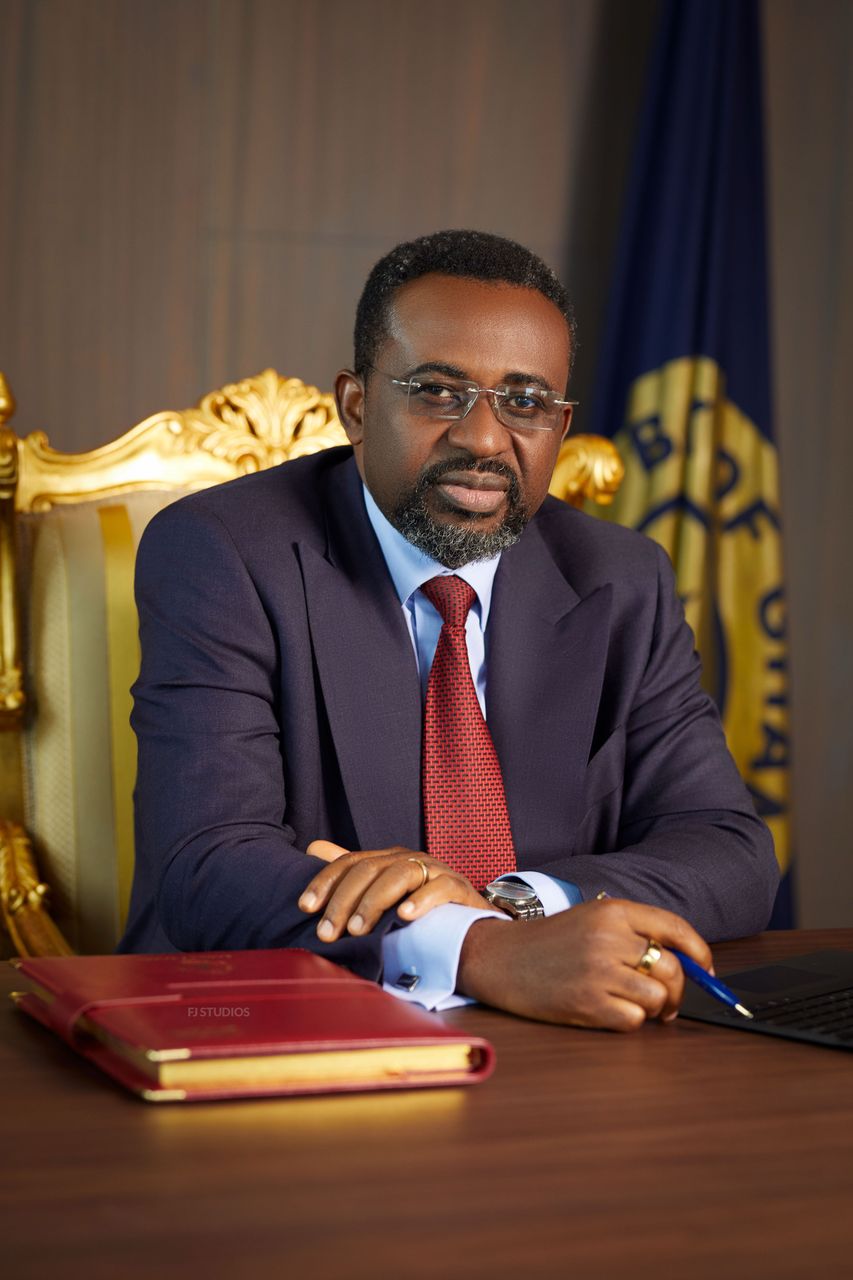
Governor of the Bank of Ghana (BoG), Dr. Johnson Asiama, says the Domestic OPEX programme was introduced at a time when Ghana was facing severe economic vulnerability, characterised by thin foreign exchange markets, weak investor confidence and pressure on foreign reserves.


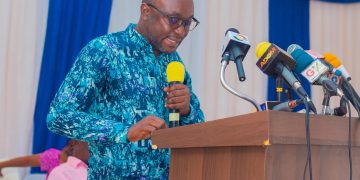
Speaking at the opening of the Annual New School at the University of Ghana, Dr. Asiama explained that the programme was designed as a stabilisation measure to conserve foreign exchange, support the cedi and restore confidence in Ghana’s macroeconomic recovery by leveraging the country’s natural resources.
According to him, although the initiative achieved key stabilisation objectives, it came at a significant financial cost, with the Bank of Ghana absorbing much of the burden as a deliberate policy choice to protect the broader economy.
“The programme is no longer a concept; it is an operation embedded within the economic framework,” Dr. Asiama said, stressing that the focus should now be on improving governance and refining its implementation rather than questioning its existence.
He noted that evolving national priorities required periodic policy reviews, adding that several meetings were held in 2025 to refine aspects of the programme. As part of the reforms, some components were discontinued while others were strengthened to enhance efficiency, transparency and sustainability.
Dr. Asiama said risk management measures had been reinforced, particularly in areas involving international partners and sponsors. He explained that settlement risks were reduced through advance payment arrangements and improved handling of proceeds, while pricing structures were adjusted through reduced discounts, token fees and after-sales charges.
The BoG Governor further noted that institutional coordination had been improved through clearer governance structures, while the introduction of an option mechanism enhanced transparency and communication among stakeholders.
Looking ahead, Dr. Asiama said the programme is expected to continue in 2026 as part of a broader national framework, stressing that its sustainability should not rest on any single institution.
He called for stronger government involvement, evidence-based analysis and alignment with national development priorities, adding that the Bank of Ghana will continue to work closely with the Ministry of Finance and other stakeholders to align the programme with international best practices.
Dr. Asiama thanked the organisers for the opportunity to share insights on the programme, noting that sustained policy coordination and institutional reforms remain critical to safeguarding Ghana’s economic recovery.
Source: www.kumasimail.com