


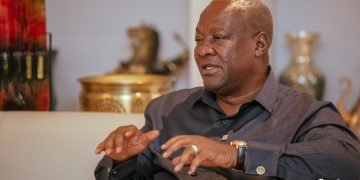









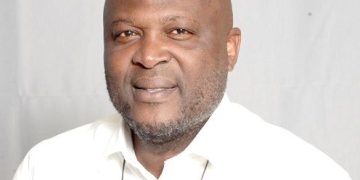

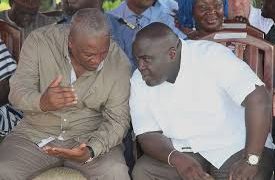


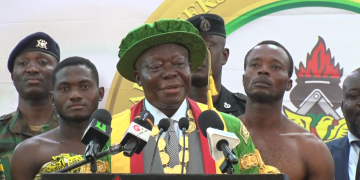



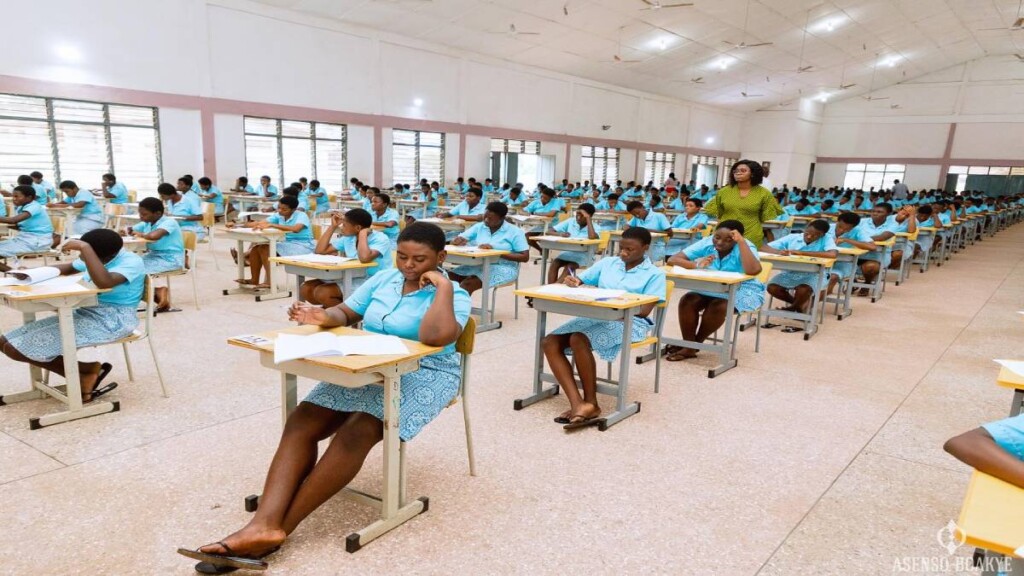
Businessman and philanthropist Seidu Agongo has described the sharp decline in the 2025 WASSCE results as a necessary national wake-up call rather than a failure.


According to him, the sudden drop should be understood within the broader context of years of widespread examination malpractice that artificially inflated performance under the Free Senior High School (Free SHS) system.
The 2025 WASSCE results, released last week, showed significant reductions in core subject pass rates. Core Mathematics fell from 66.86% in 2024 to 48.73% in 2025, while Social Studies declined from 71.53% to 55.82%. English Language and Integrated Science also recorded slight dips. For many, these figures signal concern about quality, but Agongo believes they may instead reflect the beginning of a painful correction after years of compromised exam integrity.
Agongo supports his claim by pointing to WAEC’s data, which shows an alarming rise in examination malpractices between 2017 and 2024. Between 2021 and 2024 alone, 146,309 candidates were implicated in cheating schemes. Cases shot up from 10,386 in 2021 to 62,046 in 2024, representing more than six times the initial figure. In 2024, nearly 14 percent of all candidates were involved in one form of malpractice or another. These infractions included collusion, impersonation, the smuggling of foreign materials, and the circulation of leaked papers on WhatsApp and Telegram channels. Over 532,000 subject results were withheld, and close to 39,000 were cancelled in 2024, with hundreds of entire results nullified each year.
Despite the scale of the problem, Agongo argues that serious sanctions were rare until recently. That changed this year when the Ministry of Education and the Ghana Education Service declared zero tolerance for exam cheating. Supervisors and invigilators were warned of immediate dismissal if found complicit, and candidates were encouraged to rely on genuine preparation rather than leakages. WAEC appeared to have acted firmly this time, cancelling subject results for 6,295 candidates, annulling entire results for 653, and withholding several others. Investigations into alleged mass cheating in 185 schools are ongoing, and so far, 35 individuals—including 19 teachers—have faced prosecution, with 19 already convicted.
Agongo says this unprecedented enforcement marks the beginning of a reset in the education system, which for too long allowed shortcuts and inflated results to create the illusion of excellence. He recalls the long-standing concerns of civil society actors such as Eduwatch, whose Executive Director, Kofi Asare, has repeatedly warned that political pressure to glorify Free SHS created unrealistic targets for schools and inadvertently encouraged cheating. He notes that Asare has long advocated the installation of CCTV in exam halls and other technology-driven measures to safeguard integrity.
While acknowledging the life-changing benefits of Free SHS—especially for poorer households—Agongo insists that expanding access should not come at the expense of quality. He references concerns raised by university lecturers who have noticed widening gaps in foundational skills among new entrants, with some institutions even considering special entrance assessments to address learning deficits. According to him, this year’s WASSCE results may therefore reflect a transition from inflated scores to true merit, as suggested by both the GES and the Ministry of Education.
Agongo explains that maintaining academic integrity is essential for national development because when certificates lose credibility, the entire economy suffers. Employers begin to doubt the competence of graduates, and universities are forced to lower standards to accommodate ill-prepared students. Ghana, he warns, cannot continue producing what one civil society group described as “excellent grades but hollow minds.” He believes the country must now champion quality over quantity by investing more in teacher training, reducing class sizes, modernising school infrastructure, and supporting technology that enhances honest learning.
He urges policymakers and the public to approach the 2025 results with calm and objectivity rather than politics and emotion. In his view, the real task is to identify the root causes of this year’s performance and implement solutions that restore confidence in the country’s education system. He emphasises the need to sustain the crackdown on malpractice, strengthen transparency, and insulate education from political interference so that academic performance reflects true learning and not political scorecards.
For Agongo, the drop in performance should not embarrass the nation. Rather, it should challenge Ghana to demonstrate the courage required to rebuild credibility in its education system. The more important question, he says, is whether the country is ready to pay the price of integrity as it seeks to raise a generation capable of driving national progress.
Source: kumasimail.com/Edmond Gyebi