































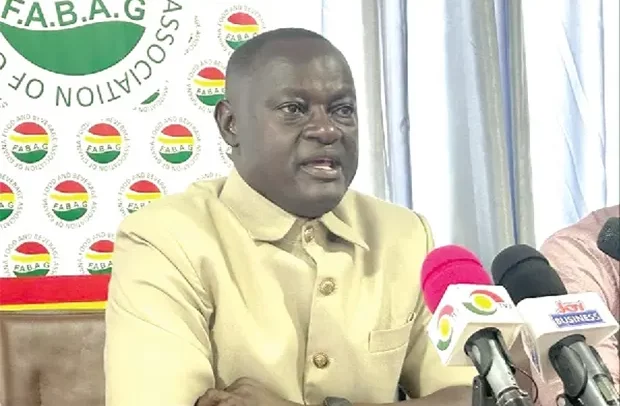
The Food and Beverages Association of Ghana (FABAG) has strongly rejected the Public Utilities Regulatory Commission’s (PURC) recent approval of a 9.8 percent increase in electricity tariffs and a 15.9 percent rise in water tariffs, describing the decision as “unacceptable, unjustifiable, and insensitive.”


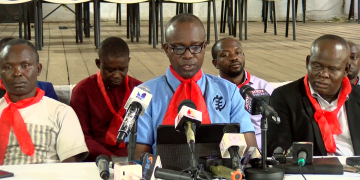
In a press release issued on Monday, FABAG said the tariff hikes would impose further hardship on consumers and businesses, especially at a time when the Electricity Company of Ghana (ECG) and the Ghana Water Company Limited (GWCL) have yet to address longstanding inefficiencies and financial mismanagement.
According to the Association, the PURC’s decision fails to address what it described as the “cancer” of waste, corruption, and operational losses within the utility companies issues that were recently highlighted by the Parliament’s Public Accounts Committee.
Concerns Over Inefficiency and Overspending
FABAG cited recent findings that ECG overspent its approved 2023 budget by GH₵189.2 million without authorization. The Association is demanding a leadership accountability framework to identify officials responsible for the unapproved expenditure.
The group also called for full disclosure of procurement processes, questioning how spending reportedly ballooned from under GH₵1 billion to more than GH₵8.3 billion in 2023 — a figure FABAG says represents nearly 700 percent overspending.
Additionally, the Association raised concerns over ECG’s technical and commercial losses, which it says exceed 30 percent, making them among the worst in Africa. FABAG noted that no credible plan has been presented to reduce these losses.
Impact on Businesses and Consumers
The Association warned that the tariff hikes would worsen food inflation, as food and beverage production relies heavily on electricity and water for manufacturing, storage, and distribution. The sector, FABAG said, is already struggling under rising operational costs.
“Businesses are under severe cost pressure,” the statement said, adding that higher tariffs could force small and medium-sized enterprises to shut down, reduce staff, or increase product prices.
FABAG also argued that consumers should not be made to “pay for inefficiency,” especially when ECG has declined to publish transparent operational audits.
Demands to Government and PURC
FABAG issued five key demands, including immediate suspension of the tariff increase, a full operational audit of ECG and the Ghana Water Company, with public disclosure, a technical loss-reduction program with measurable quarterly targets, prosecution of internal theft and illegal connections and adoption of a cost-recovery model based on efficiency rather than continual tariff hikes.
Call for Structural Reforms
The Association maintained that the solution to challenges in the power and water sectors lies in restructuring, digitization, improved revenue management, and strict accountability — not repeated tariff increments.
“Ghana cannot tax or tariff-increase its way out of a broken utility system,” FABAG said, adding that the current approach risks eroding business confidence and destabilizing the food and beverage industry, which it described as a major contributor to employment and revenue generation.
FABAG reaffirmed its commitment to advocating for its members and the broader public, insisting that Ghana “deserves power and water sectors that work not those that survive by punishing consumers.”