





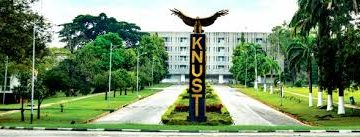
























The Ghana Standards Authority (GSA) has partnered with Koforidua Technical University (KTU) and German research institutions to explore innovative ways of using agricultural waste and local materials in cement production as part of efforts to promote sustainability in Ghana’s construction industry.


The initiative forms part of a joint research project involving Germany’s Bundesanstalt für Materialforschung und -prüfung (BAM) and development agency Deutsche Gesellschaft für Internationale Zusammenarbeit (GIZ), with support from the German government.
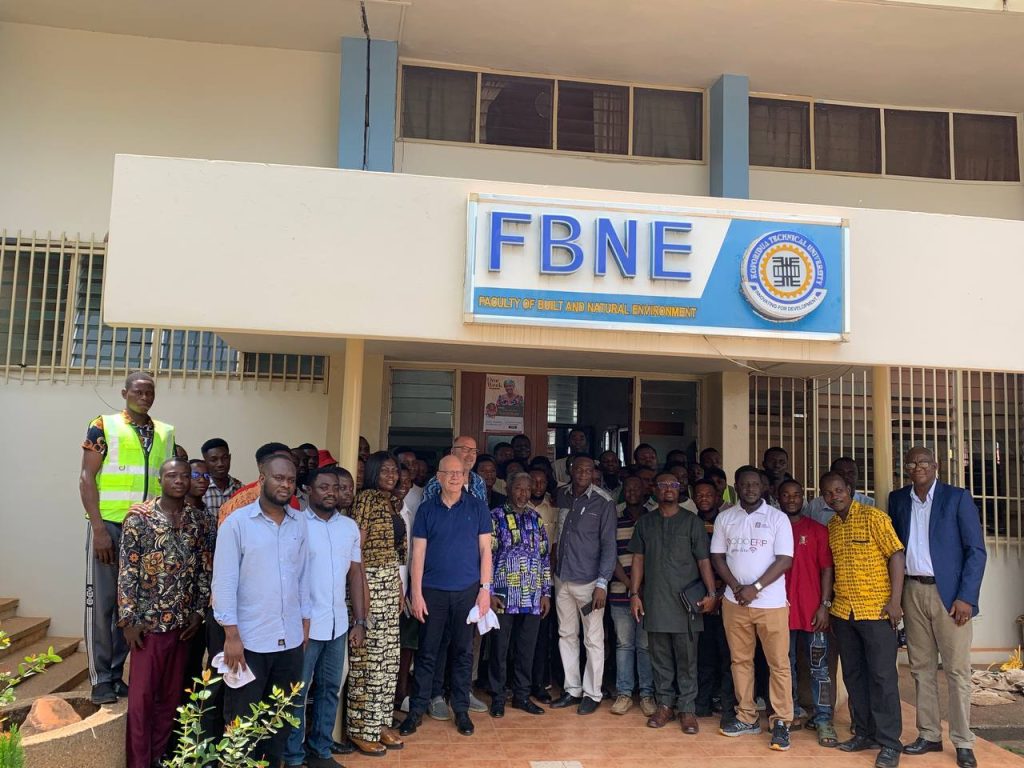
Speaking during a visit to Koforidua Technical University, the Deputy Director-General (General Services) of the GSA, Samuel Abdulai Jabanyite, said the project seeks to identify alternative cementitious materials that could complement or partially replace conventional raw materials used in cement manufacturing.
According to him, clinker has traditionally been the main raw material used in cement production, but research has revealed that some agricultural waste and by-products can also serve as useful components.
“Studies have shown that other agricultural waste or by-products could be used in the manufacturing of cement. This project is looking at how research can help develop these alternatives.” he explained.
Mr. Jabanyite noted that the initiative aligns with the global push toward a circular economy, which encourages the reuse of materials within the environment rather than disposing of them as waste.
He explained that increased agricultural activity in Ghana could generate significant bioproducts that can be converted into useful materials for the construction sector.
“We have realized that it is a viable and sustainable programme. The world is moving towards what we call a circular economy, which is basically about the reuse of materials within our environment,” he said.
He added that once research is completed, the GSA will develop the necessary standards to ensure the safe commercial use of these new materials.
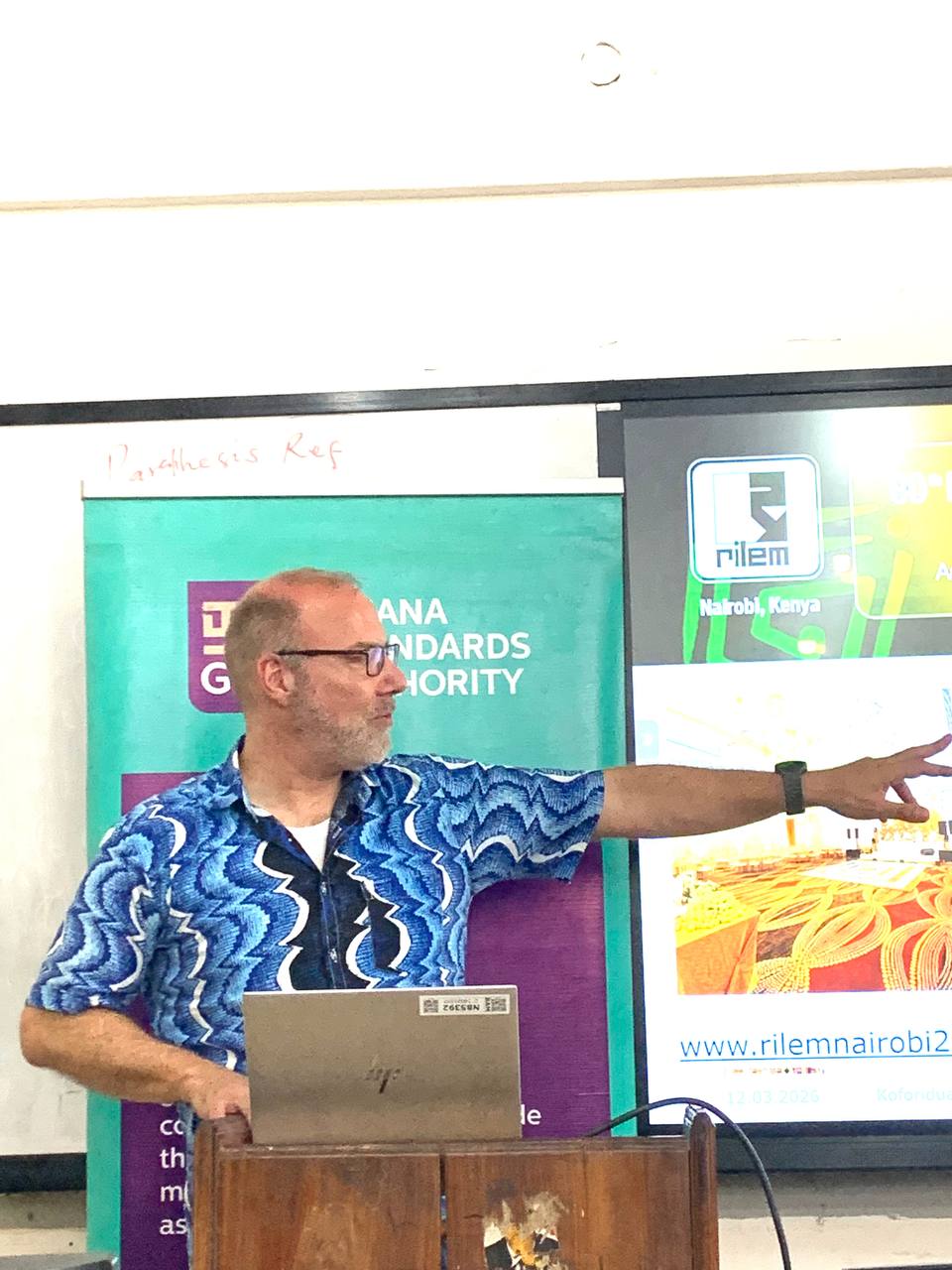
Senior Reseacher at German Federal Institute for Materials Research and Testing,Wolfram Schmidt revealed that there is ongoing research into cement and concrete technologies and the team has identified significant opportunities for Ghana and other African countries to develop greener construction materials.
According to him, the availability of local materials and the unique geological conditions in Africa make it possible to create more environmentally friendly and lower-carbon concrete technologies.
“We have identified that in Africa there are huge potentials to develop concrete technology that is greener, lower in carbon emissions and more local,” he said.
Mr. Schmidt said the long-term goal is to help Ghana move toward a new generation of sustainable construction technologies that rely more on local materials and produce lower carbon emissions.
“The vision is to step into a new generation of engineers, scientists and policy makers who will promote better, local and lower-carbon construction technologies that will also benefit the economy,” he said.
The Ghana Standard Authority emphasized that their role goes beyond developing standards to ensuring compliance across industries and manufacturers must meet strict standards before their products can be sold on the market.
To strengthen enforcement, the Authority has expanded its Trading Standards Inspectors (TSI) unit, which is responsible for monitoring products on the market.
They revealed that 11 additional inspectors were recently deployed in the Eastern Region to help monitor compliance across various sectors.
A Senior Lecturer at KTU’s Civil Engineering Department, Dr Anim Ofoso, revealed common on‑site mistakes undermining construction safety.
He called on artisans and contractors to avoid mixing different cement brands in the same project, as doing so weakens concrete.
The collaboration between the Ghana Standards Authority, Koforidua Technical University, and German partners is expected to support innovation, strengthen standards development and contribute to more sustainable construction practices in Ghana.
Source: Ghana/Starrfm.com.gh/Kojo Ansah