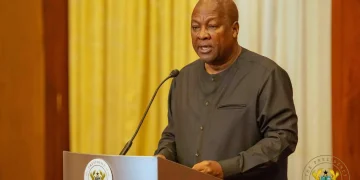

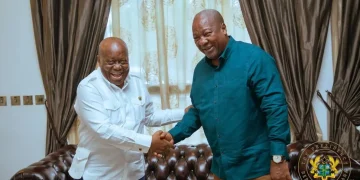





















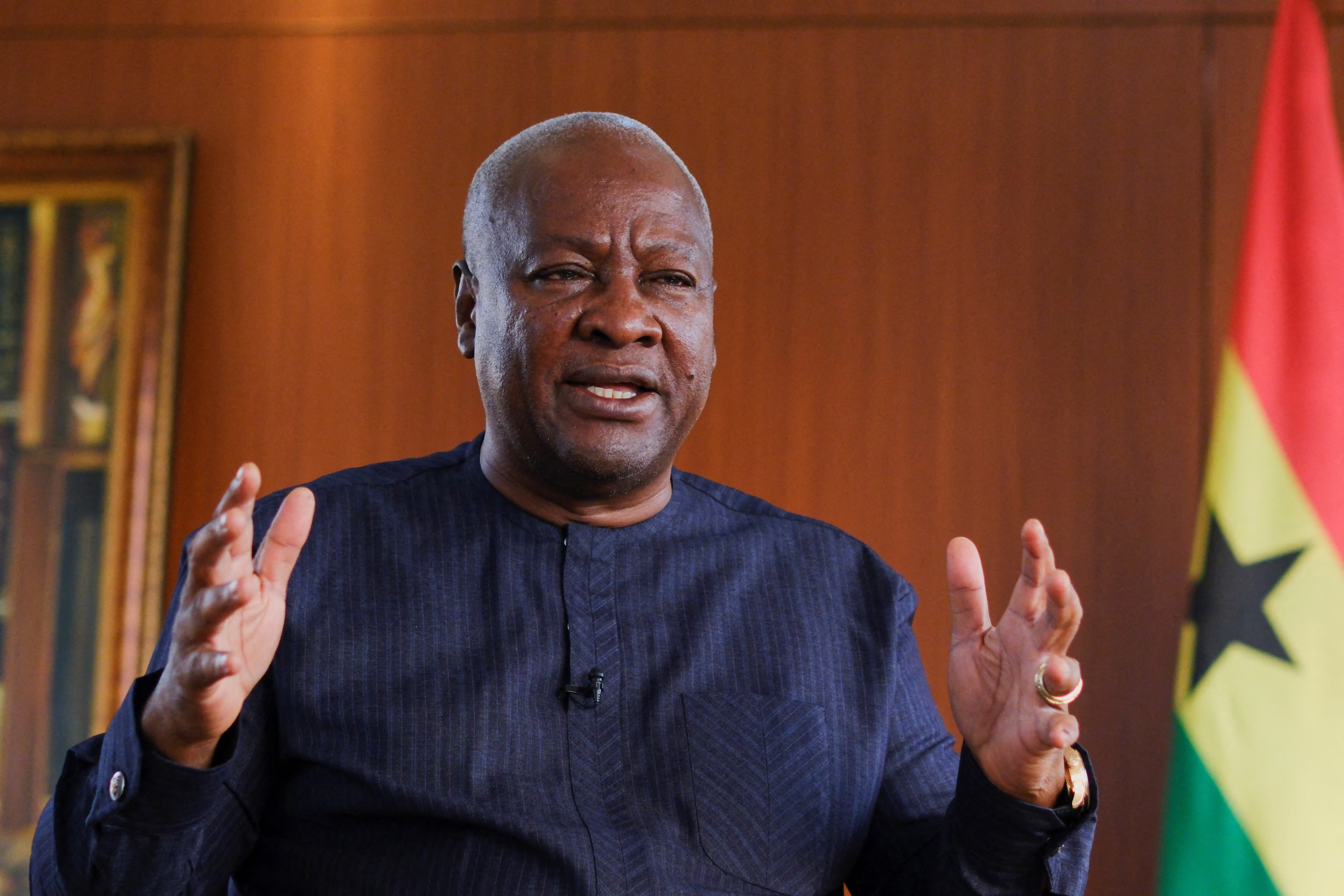




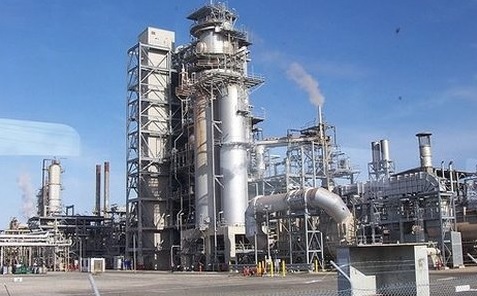
Ghanaians across the political divide have welcomed renewed operations at the Tema Oil Refinery (TOR), crediting the leadership of its management and the policy direction of President John Dramani Mahama’s National Democratic Congress (NDC) government for stabilising the country’s only state-owned petroleum refinery after years of decline.


The refinery, a strategic national asset established in 1963 to ensure energy security and reduce dependence on imported refined petroleum products, had faced prolonged operational challenges in recent years.
These included mounting debts, inconsistent crude oil supply, ageing infrastructure and periodic shutdowns that left the facility largely idle for long stretches.
Under the previous New Patriotic Party (NPP) administration led by former President Nana Addo Dankwa Akufo-Addo, TOR struggled to return to sustained production.
Government officials at the time acknowledged the refinery’s financial distress and explored options such as strategic partnerships, leasing arrangements and, according to critics, possible divestment to private interests as a way to keep the facility afloat.
Those plans, however, became controversial amid concerns about transparency and value for money.
In 2023, the Office of the Special Prosecutor (OSP) opened investigations into procurement and contracting activities linked to TOR, citing suspected corruption and possible abuse of office.
The investigations effectively halted efforts to restructure or transfer control of the refinery until accountability issues were addressed, reinforcing public concerns about the future of the asset.
Following the change of government and President Mahama’s return to office in January 2025, the NDC administration pledged to prioritise the revival of TOR as part of a broader industrialisation and energy-security agenda.
The government appointed a new management team and announced measures aimed at restoring operational efficiency, renegotiating debts, and securing sustainable crude oil supply arrangements.
In recent months, TOR has resumed limited refining activities, supplying petroleum products to the domestic market and easing pressure on imports.
The development has been met with optimism from labour unions, energy analysts and sections of the public, who see the refinery’s revival as a sign of renewed commitment to protecting strategic state enterprises.
Speaking at a stakeholder engagement in Tema, management officials said the progress achieved so far reflects “strong political will, professional leadership and institutional reforms” designed to insulate the refinery from past governance failures.
They also stressed that full rehabilitation would require time, investment and consistent national support.
Energy experts note that a functional TOR could save Ghana millions of dollars annually in foreign exchange, create jobs and serve as a buffer against global fuel price shocks.
However, they caution that long-term success will depend on transparency, sound management and bipartisan commitment to keeping the refinery in the national interest.
As the government outlines its medium-term economic plans, supporters of the refinery’s revival are urging Ghanaians to rally behind ongoing reforms.
They argue that safeguarding institutions like TOR is essential to national development and should transcend partisan politics.
“The lesson from TOR is clear,” said one policy analyst. “When corruption and mismanagement are confronted and there is clear leadership, national assets can be restored. Sustaining this progress will require public vigilance and collective support for reforms in the years ahead.”
With energy security remaining a critical pillar of Ghana’s economy, the fate of the Tema Oil Refinery is likely to remain a key test of the Mahama administration’s promise to rebuild and strengthen state institutions for long-term national benefit.
Read this…
Source: www.kumasimail.com