





































Ghana’s macroeconomic conditions improved significantly over the course of 2025, with inflation easing sharply, interest rates declining, and external buffers strengthening, according to the Bank of Ghana’s latest Summary of Economic and Financial Data released on January 27, 2026.


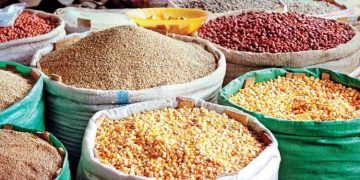
Headline inflation dropped to 5.4 percent in December 2025, down from 23.8 percent in December 2024, reflecting a sustained disinflation trend driven by falling food and non-food prices. Food inflation eased from 27.8 percent to 4.9 percent, while non-food inflation declined to 5.8 percent over the same period.
On a month-on-month basis, inflation remained stable at 0.9 percent in December, indicating price stability after earlier volatility during the year.
Economic activity strengthens
Real sector indicators point to a rebound in economic activity. The Composite Index of Economic Activity recorded steady growth, while real GDP growth averaged above 6 percent in several quarters of 2025.
The services sector remained the main driver of growth, supported by improvements in agriculture, while industrial growth was relatively subdued.
Consumer and business confidence also improved markedly, with confidence indices crossing the 100-point threshold, signaling optimism about economic prospects.
Interest rates and credit conditions ease
Monetary conditions loosened significantly in the second half of 2025. The Monetary Policy Rate was reduced from 28 percent in mid-2025 to 18 percent by December, while the Ghana Reference Rate declined to 15.9 percent, easing borrowing costs for businesses and households.
Average lending rates fell to 20.5 percent in December from over 30 percent a year earlier, while Treasury bill rates declined sharply across all tenors, reflecting improved liquidity conditions and investor confidence.
Cedi stabilises as reserves rise
The Ghana cedi showed improved stability against major currencies. By January 2026, the cedi was trading at GH¢10.88 to the US dollar, compared to GH¢14.70 in December 2024, representing a year-on-year appreciation.
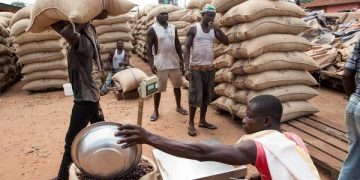
Gross international reserves rose to US$13.83 billion by December 2025, equivalent to 5.7 months of import cover, supported by strong export earnings, particularly from gold and cocoa.
Strong external and fiscal performance
Ghana recorded a trade surplus of US$13.7 billion at the end of 2025, with exports led by gold, cocoa, and oil. The current account surplus widened to US$9.1 billion, equivalent to 8.1 percent of GDP, reflecting improved export receipts and private remittances.
On the fiscal front, public debt declined to 45.5 percent of GDP by November 2025, down from over 60 percent a year earlier, while the primary balance turned positive, signaling improved fiscal discipline.
Banking and capital markets remain resilient
The banking sector remained stable and profitable, with capital adequacy ratios above regulatory thresholds and non-performing loans declining to 18.9 percent. Bank assets and deposits continued to grow, while private sector credit expanded modestly in real terms.
Capital market performance was robust, with the Ghana Stock Exchange Composite Index gaining 79.4 percent year-to-date by December 2025, driven largely by strong performance in financial stocks.
Digital payments surge
Payment systems data showed continued growth in digital transactions. Mobile money transactions rose sharply, with transaction values reaching GH¢518.4 billion in December 2025, while GIP and internet banking volumes also recorded significant increases.
Overall, the Bank of Ghana data point to a year of strong macroeconomic recovery marked by falling inflation, improved currency stability, and strengthening confidence across key sectors of the economy.
Source: www.kumasimail.com