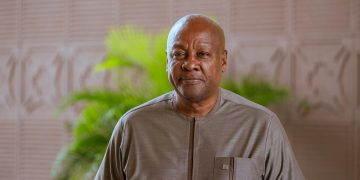














The Minister of Lands and Natural Resources, Emmanuel Armah-Kofi Buah, has reiterated government’s commitment to sustainable mining practices and environmental protection, while urging journalists to adopt responsible and data-driven reporting to support the fight against illegal mining.


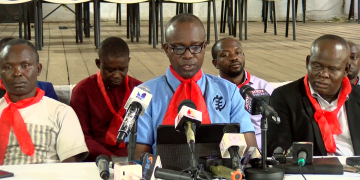
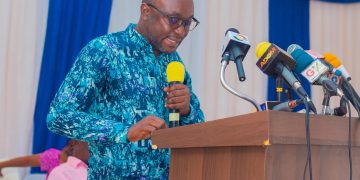
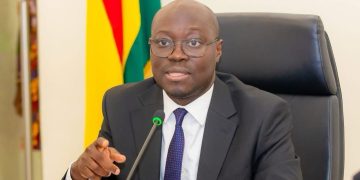
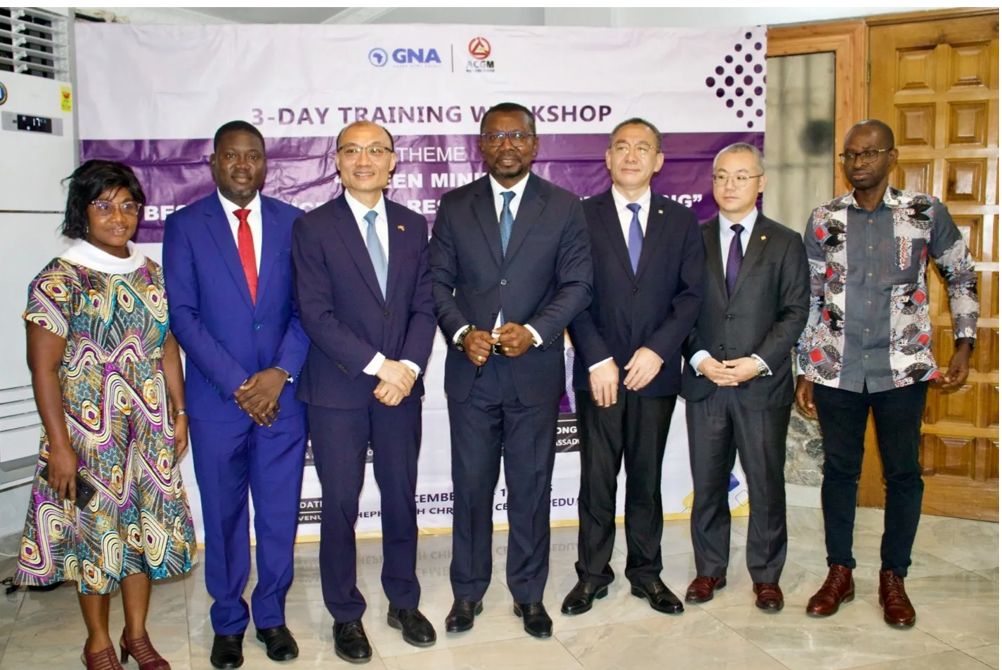
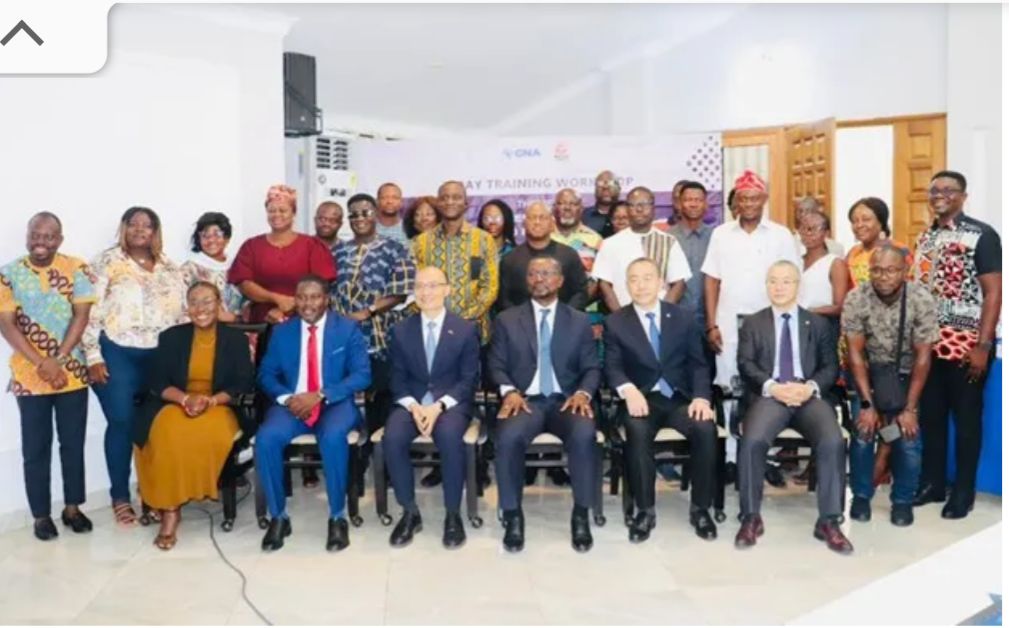
Speaking at the opening ceremony of a three-day training workshop for editors and reporters on the theme “Green Mining: Best Practices and Responsible Reporting” in Aburi on Thursday, December 11, 2025, the minister said mining activities must be managed carefully to reduce their negative impact on water bodies, land, and air quality.
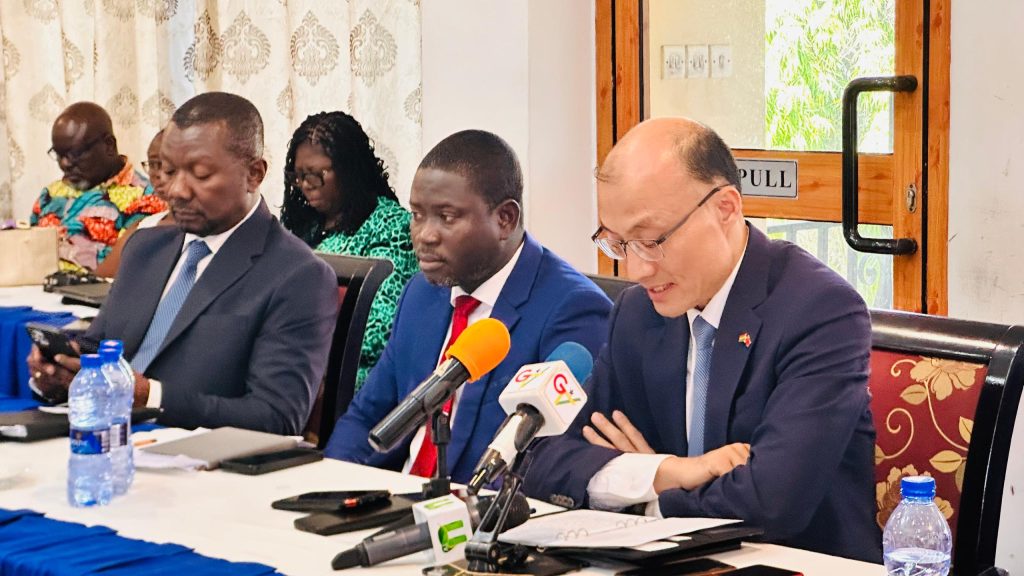
The keynote address was delivered on his behalf by Maxwell Klu, Deputy Chief Executive Officer of the Minerals Commission.
Mr. Buah described green mining as a sustainable approach to mineral extraction that minimizes environmental damage through renewable energy use, waste reduction, water conservation, mercury-free extraction techniques, community engagement, land reclamation, and carbon footprint reduction.
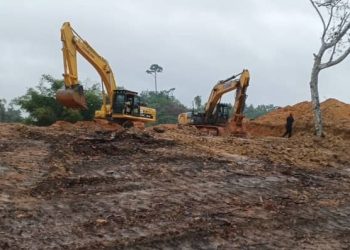
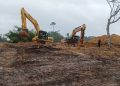
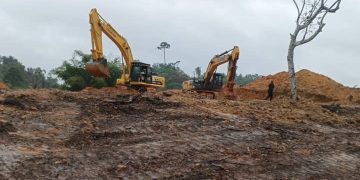
According to him, the adoption of green mining practices is a critical tool in addressing illegal mining, popularly known as galamsey, which he described as a serious threat to Ghana’s environment, socio-economic stability, and long-term development.
Legal and Policy Framework
The minister highlighted Ghana’s strong legal regime governing mining activities, noting that the Minerals and Mining Act, 2006 (Act 703), as amended by Acts 900 and 995, criminalizes mining without a license and prescribes severe penalties, including prison terms ranging from 15 to 25 years.
The law also bans mining in protected areas and strengthens enforcement through measures such as tighter controls on excavator imports.
He also referenced the Environmental Protection Act, 2025 (Act 1124) as a key legislative instrument aimed at safeguarding the country’s environment.
Beyond domestic laws, Mr. Buah said Ghana remains committed to international environmental standards, citing the country’s ratification of major global conventions, including the UN Framework Convention on Climate Change (UNFCCC), the Paris Agreement, and the Vienna Convention for the Protection of the Ozone Layer.
“These conventions, treaties and national laws are a testament to Ghana’s commitment to responsible mining and environmental stewardship,” he said.
Role of the Media
The minister stressed that the media plays a critical role in shaping public understanding of mining and environmental issues, urging journalists to prioritize technical knowledge, ethical accountability, and investigative, data-driven reporting.
He called on reporters to deepen their understanding of mining processes, laws, and regulatory frameworks, and to hold all stakeholders accountable while remaining fair, people-centered, and open to criticism.
Responsible reporting, he said, should also highlight reclamation efforts and interventions by institutions such as the National Anti-Illegal Mining Operations Secretariat (NAIMOS) and other agencies involved in combating illegal mining.
Government Interventions
Mr. Buah disclosed that government has laid before Parliament an instrument to revoke Legislative Instrument (L.I.) 2462, which allows the President to grant mining licenses in forest reserves.
The move, he said, aligns with broader national efforts to curb illegal mining and protect forest resources.
He further cited initiatives such as the Responsible Cooperative Mining and Skills Development Programme (rCOMSDEP) as part of government’s integrated strategy to address galamsey.
Industry Recognition and the Way Forward
Highlighting progress within the mining industry, the minister praised companies that have demonstrated excellence in green mining practices.
Newmont Ghana Gold Limited’s Ahafo South Mine emerged as the Best Green Mine at the 11th Ghana Mining Industry Awards (GMIA) in 2025, earning recognition for innovation, environmental stewardship, and community development.
AngloGold Ashanti Iduapriem Mine and Gold Fields Ghana Limited’s Tarkwa Mine were also commended for strong performance in areas such as carbon reduction, land and water management, active reclamation, and biodiversity restoration.
Mr. Buah said the Ministry envisions global mining firms and Green Mine award winners mentoring small-scale mining operations to help address illegal mining.
He concluded by calling on the media—the “fourth estate of the realm”—to uphold ethical standards, collaborate with government, and help keep the public informed and protected.
“Green mining is a shared mission,” he said, urging journalists to engage credible data sources, adopt practical reporting tools, and promote multi-stakeholder dialogue.
The workshop is expected to enhance journalists’ capacity to report accurately and responsibly on mining and environmental issues in Ghana.
Source :www.kumasimail.com