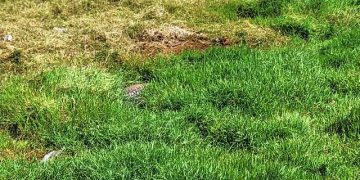


























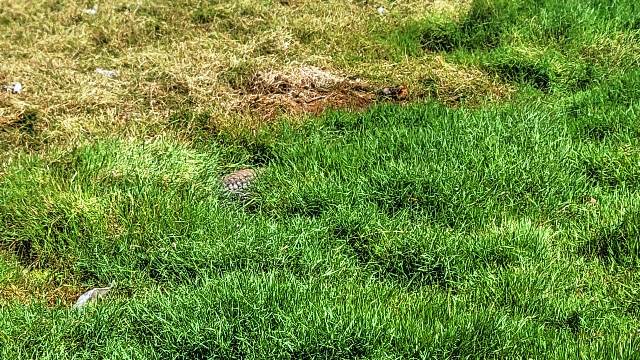
A growing environmental and cultural crisis is unfolding in Gwollu, the district capital of the Sisaala West District, as sacred crocodiles, once revered and protected, are now battling for survival amid rapidly drying water bodies.


Scores of crocodiles and other reptiles that inhabit the township have been left vulnerable as key water sources shrink under the harsh dry season. In Wuljua, a section of Gwollu where crocodiles are traditionally revered as a totem, their presence has long symbolised cultural identity and spiritual connection. Today, that legacy faces a stark threat.
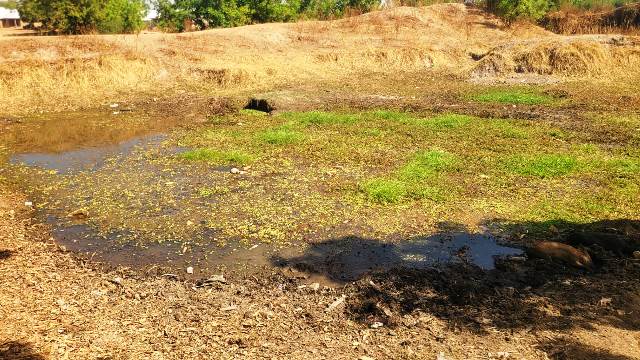
Historically, the Kaligbei Valley—an important water source tied to the construction of the famed Gwollu Slave Defence Wall during the era of the transatlantic slave trade—has served as a natural habitat for these reptiles. However, the valley is now at the centre of an intensifying struggle between humans and wildlife.
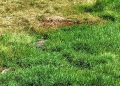
With water levels critically low, residents increasingly depend on the valley for domestic and construction activities, including brick moulding. This has led to direct and often violent encounters with the crocodiles, which are forced into confined spaces as people scoop out the remaining water. Reports indicate that some reptiles sustain injuries, while others die in the process.
What was once a potential eco-tourism site is now a distressing spectacle.
Visitors to the area are met with scenes of suffering—crocodiles crowded into muddy pits, visibly weakened and struggling to survive.
Despite the area’s tourism potential, there has been little to no coordinated effort from authorities, including the District Assembly and the Ministry of Tourism, to protect or develop the site. Advocates have repeatedly raised concerns, but action remains elusive.
Babia Mubaric, a resident has used his platform as a radio presenter to push for urgent intervention, drawing attention to the deteriorating conditions but nothing has been done to address the problem.
Other community members have recently also added their voices. Sufyan, a concerned resident, believes the time has come for decisive action. He is urging the District Assembly to dredge the valley and restore adequate water levels. He also emphasised the need to fence off the area to prevent further human encroachment and ensure the safety of both residents and wildlife.
The situation in Gwollu raises broader questions about environmental stewardship, cultural preservation, and institutional responsibility. Without immediate intervention, the town risks losing not only its crocodiles but also a significant part of its heritage.
For now, Gwollu’s sacred reptiles remain trapped in a shrinking habitat—silent victims of neglect, struggling between survival and extinction.
Source: www.kumasimail.com/Ayamga Bawa Fataw