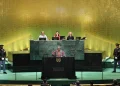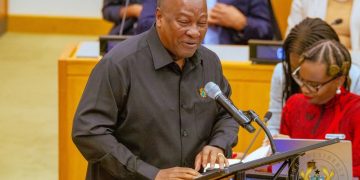
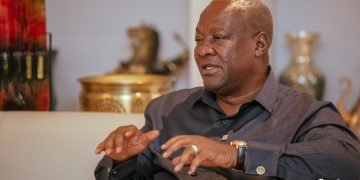







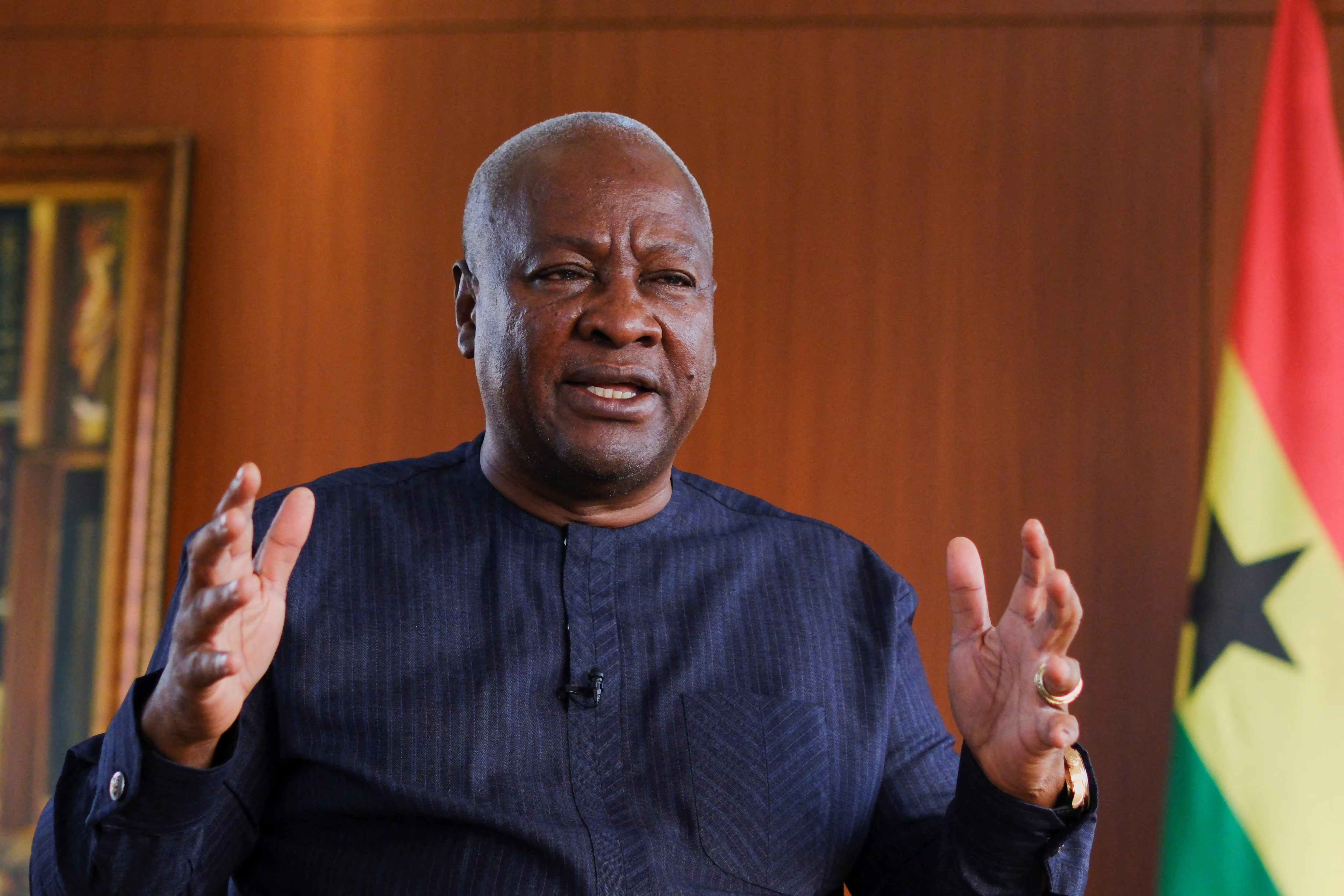


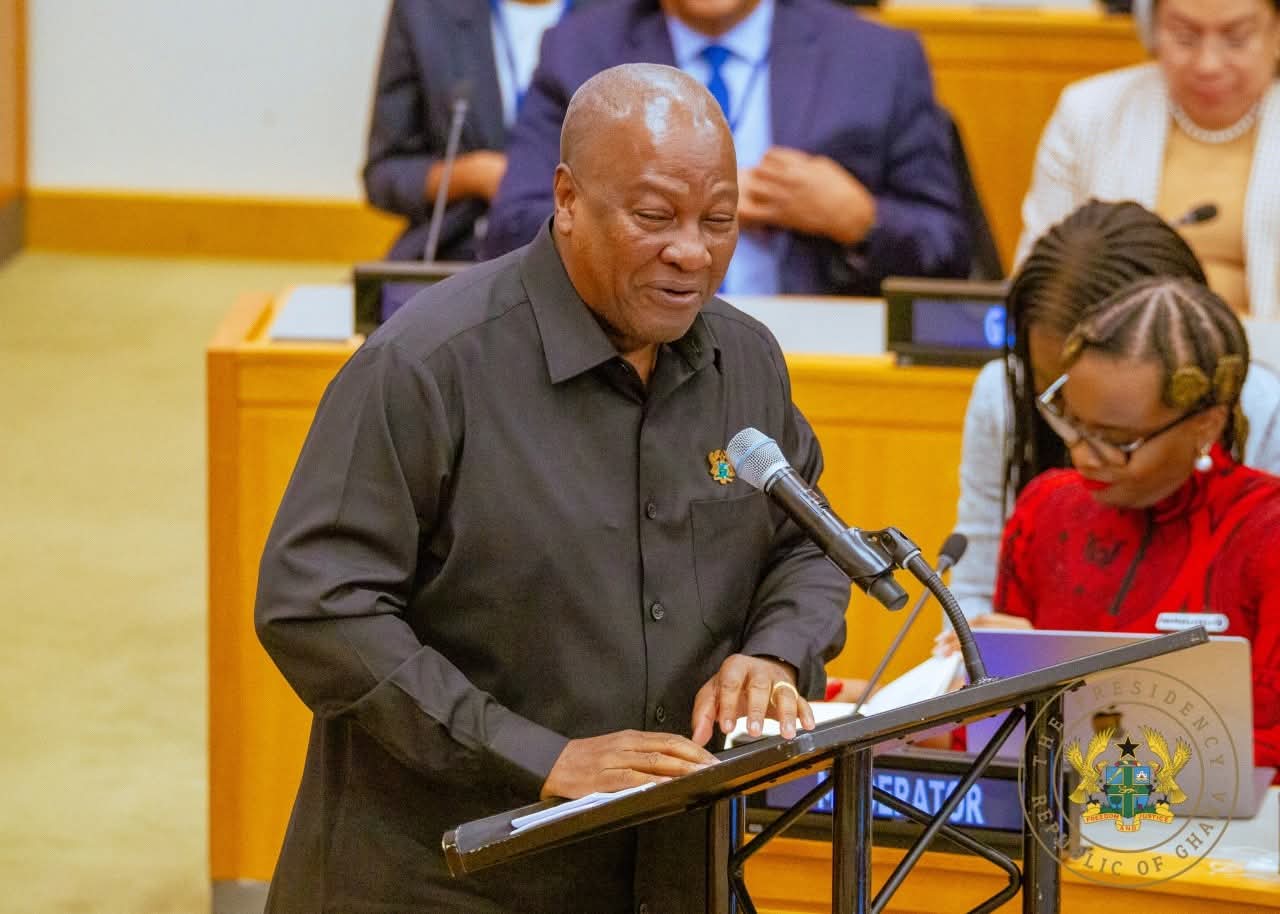
President of Ghana John Dramani Mahama has called on the international community to support a United Nations resolution recognizing the trafficking and enslavement of Africans as the gravest crime against humanity, urging world leaders to confront historical injustice and support reparatory justice.


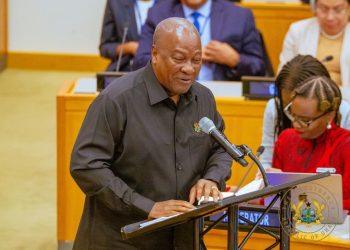
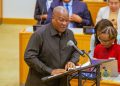
Speaking on March 24 at a high-level event on reparatory justice at the United Nations headquarters in New York, the Ghanaian president said the world must begin with “truth in language” when addressing the legacy of slavery and racism. He stressed that those taken from Africa were “human beings who were trafficked and then enslaved,” not simply “slaves.”
President Mahama told delegates that the transatlantic slave trade was designed to deny African people their humanity and was built on a racial hierarchy that had no basis in science or fact. He said the proposed UN resolution would allow the global community to acknowledge the suffering of millions of Africans who were captured, transported and enslaved over four centuries.
“This resolution is a pathway to healing and reparative justice,” Mahama said, adding that it would also serve as a safeguard against historical “forgetting” and the continued misrepresentation of slavery in education and public discourse.
The president cited historical evidence of the scale of the slave trade, noting that millions of Africans were taken to Brazil, Jamaica, Barbados and what later became the United States. He also highlighted the brutality of the Middle Passage, where many died before reaching the Americas.
Mahama warned that attempts to downplay or erase the history of slavery remain a global concern, pointing to the removal of Black history topics from school curricula in some countries and the use of language that minimizes the reality of forced labour and racial oppression.
He said Ghana was speaking not only for itself but in solidarity with Africa, the Caribbean, Latin America and the wider African diaspora. According to Mahama, recognizing the historical injustice of slavery is essential for meaningful reconciliation and future cooperation.
Quoting former South African president Nelson Mandela, Mahama concluded his address by urging world leaders to transform shared suffering into hope for the future and to vote in favour of the resolution.
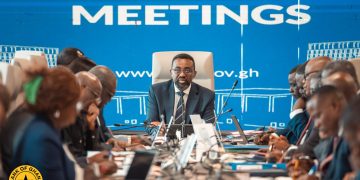
The high-level UN event brought together heads of state, diplomats and international organisations to discuss measures aimed at addressing the lasting social and economic effects of slavery and advancing global reparatory justice efforts.
Source: www.kumasimail.com