

























Frustration is mounting among traders and pedestrians across major markets in Kumasi as persistent vehicle shortages and fare hikes during rush hours continue to disrupt their daily businesses, forcing many to arrive late, lose customers, or pay more just to move goods.


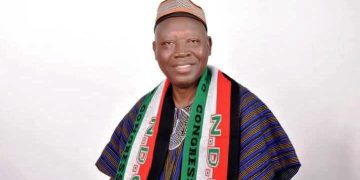
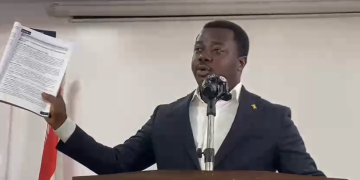
Amid the growing public outcry, the Station Chairman of the Sofo Line Lorry Terminal, Albert Boamah, has rejected claims by the Minister of State in charge of Government Communications, Felix Kwakye Ofosu, that transport unions such as the GPRTU and PROTOA are to blame for the recurring transport crisis.
According to Chairman Boamah, blaming transport unions ignores the real causes of the hardship traders and commuters face daily.
He argued that weak enforcement of transport regulations by state authorities has allowed indiscipline among some trotro drivers to flourish, particularly during peak hours.
“For traders who depend on early-morning transport to get to the markets, the situation is unbearable,” Boamah said. “Drivers stop anywhere to load passengers, create congestion, and then charge whatever fare they want because nobody is enforcing the rules.”
Many traders, especially those transporting perishable goods, say the rush-hour scarcity of vehicles and sudden fare increases cut directly into their profits.
Some are forced to pay inflated fares to avoid losing customers, while others arrive late to already crowded markets.
Chairman Boamah explained that the lack of strict policing has emboldened some drivers to flout traffic and transport rules openly. He insisted that consistent arrests and sanctions would significantly reduce congestion, improve vehicle availability, and stabilize fares.
“Once the police enforce the law without fear or favor, drivers will stop loading passengers indiscriminately and charging arbitrary fares,” he noted.
He also blamed the proliferation of unauthorized lorry terminals for worsening the problem, saying individuals are allowed to set up stations anywhere without regulation, further choking key roads and disrupting orderly transport operations.
Boamah urged the government to stop shifting blame to transport unions and instead focus on measures that would directly ease the burden on traders and commuters. These include enforcing transport laws, properly regulating lorry terminals, and engaging transport stakeholders in finding lasting solutions.
Until such steps are taken, traders say they will continue to bear the brunt of a transport system that fails them most when they need it—during the critical rush hours that determine whether their businesses thrive or suffer.
Source: www.kumasimail.com / Kwabena Antwi Boasiako